


 Deutsch
 English
 Español
 Français
 Nederlands
 Português


 Share





Spain's transport minister, Óscar Puente, has resigned after the Urda train crash that killed 69 people and injured more than 200 on October 28, 2026. The Spanish transport minister resigns amid intense political pressure, making it the country's second fatal high-speed rail disaster in under a year. Puente announced his decision on November 3, 2026, after a four-hour parliamentary hearing, and said he would also withdraw from the November 29 general election lists.
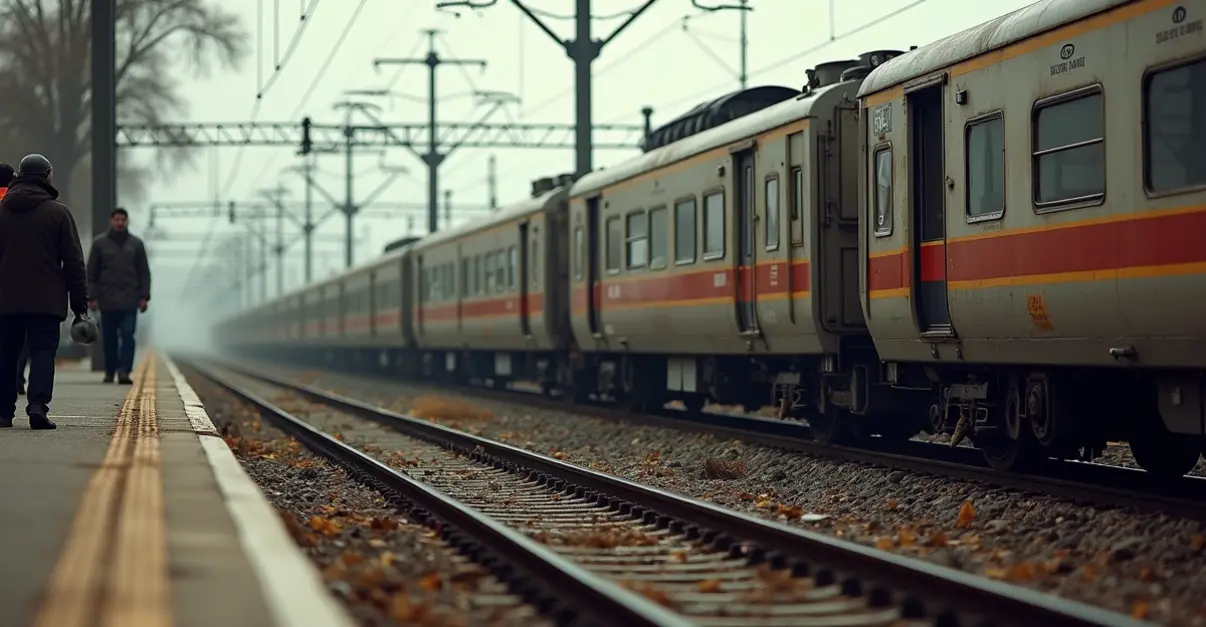
The resignation follows a collision between a state-owned Renfe AVE high-speed train and a stationary Iryo Frecciarossa 1000 near Los Yébenes, Toledo, about 80 miles south of Madrid. Both trains had departed Madrid's Atocha station for Seville.
What happened in the Urda train crash?
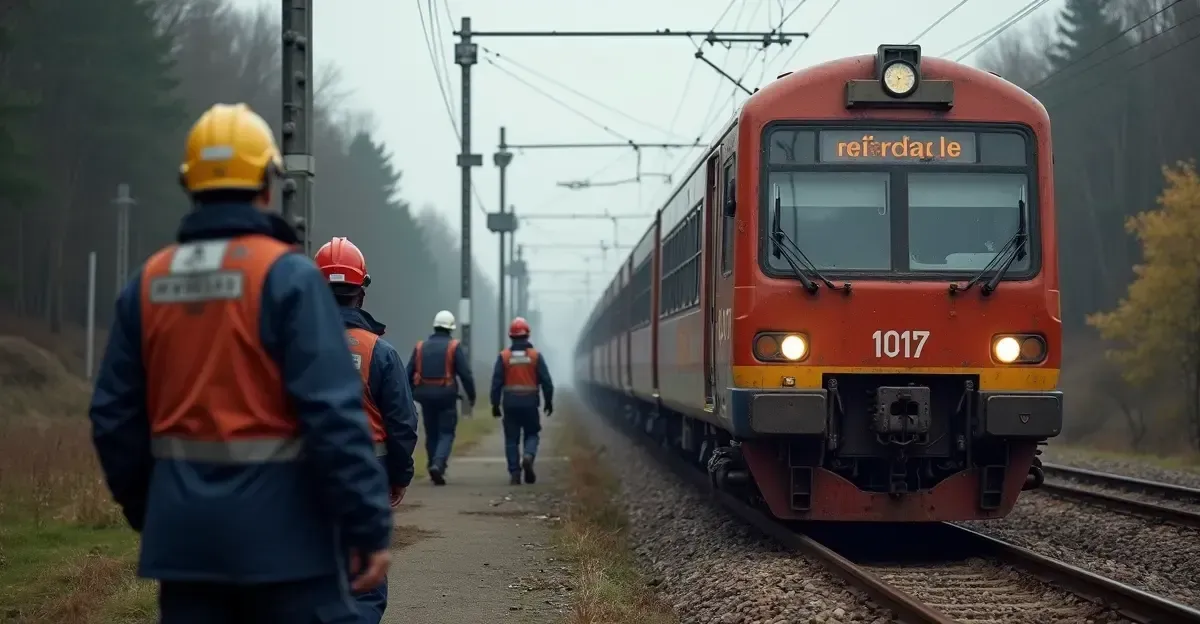
On October 28, 2026, at 08:54 CET, the Renfe train carrying 397 passengers struck the rear of the Iryo train with 147 aboard at an estimated 160–200 km/h. The impact sent carriages tumbling down an embankment, and a section of rail pierced one carriage. Sixty-nine people died — 54 Spanish citizens and 15 foreign nationals, including four Americans, two Australians and two Japanese citizens. At least 58 people were hospitalised.
The automatic LZB signalling system had failed at 08:30 on a 63-km stretch of the Madrid–Seville line. Controllers switched to degraded manual BSL procedures. Despite the system failure, a control centre authorised the Renfe train to proceed at normal speed without confirming the track ahead was clear. The authorization was obviously erroneous, Puente said, calling the decision inexplicable. This failure has become a central focus of the 2026 train collision investigation led by Spain's rail accident commission AITAT.
Why did Óscar Puente resign?
Puente had initially dismissed calls to step down from opposition parties and transport unions. However, on November 3, he told the Congress Standing Committee: A transport minister in a country like Spain cannot remain in office after two accidents of such severity in less than a year.
He said he had made the decision in the first minutes after learning of the Urda tragedy, but stayed in office to manage the immediate response, victim compensation and short-term rail safety improvements. Puente described his resignation as a matter of political dignity, consistency and empathy with the victims, and insisted the true tragedy belonged to the victims, their families and the injured. He also warned that a future People's Party-led government would be disastrous.
The January 2026 crash in Adamuz, Córdoba, on the same Madrid–Seville line, killed 46 people. The two disasters have intensified scrutiny of Spain's rail liberalisation and infrastructure investment. The Spain high-speed rail safety debate now dominates the run-up to the November 29 snap election called by Prime Minister Pedro Sánchez amid corruption scandals and housing affordability crises.
What safety changes are being introduced?
In response to the Urda crash, Renfe issued new high-speed safety directive Consigna CR-V N.º 32/2026, effective November 1, requiring trains to stop and proceed at no more than 40 km/h under visual supervision after cab-signalling failures. Drivers must now obtain explicit verbal authorisation from the control centre and confirm the block section ahead is clear.
Puente had also announced new AI-monitoring software, mandatory confirmation by a second operator, reforms to control-centre staffing, and a €30 million aid package for victims' families. Spain plans to replace the LZB system with ERTMS on the Madrid–Seville line by early 2027.
Impact on Spanish politics
Puente's resignation deals a political blow to the Socialist-led government three weeks before the November 29 election. As a close ally of Prime Minister Sánchez, his departure follows pressure from coalition partner Sumar, opposition parties and unions. The crash has raised public anger over rail safety and the handling of Spain's rail liberalisation. Sánchez admitted public confidence is broken.
The aftermath may also influence the Pedro Sánchez government crisis and reshape the transport ministry's priorities as investigators determine whether human error, systemic understaffing or maintenance failures caused the deadliest rail accident in Spain since 2013.
FAQ: Urda train crash and minister resignation
How many people died in the Urda train crash?
Sixty-nine people died and more than 200 were injured when a Renfe AVE train hit a stationary Iryo train on October 28, 2026.
Why did the Spanish transport minister resign?
Óscar Puente resigned after the Urda crash because it was Spain's second fatal high-speed rail disaster in under a year, following the January Adamuz crash that killed 46.
What caused the Urda collision?
The LZB automatic signalling system failed, and a control centre authorised the Renfe train to proceed at normal speed despite the track ahead not being confirmed clear. Investigators are examining possible human error by an ADIF controller.
When did Puente resign?
Puente announced his resignation on November 3, 2026, and withdrew from the November 29 general election candidate lists.
What safety measures have been introduced?
Renfe now requires trains to stop and proceed at no more than 40 km/h under visual supervision after signalling failures, and Spain plans to replace LZB with ERTMS by early 2027.
Follow Discussion