


 Deutsch
 English
 Español
 Français
 Nederlands
 Português


 Share





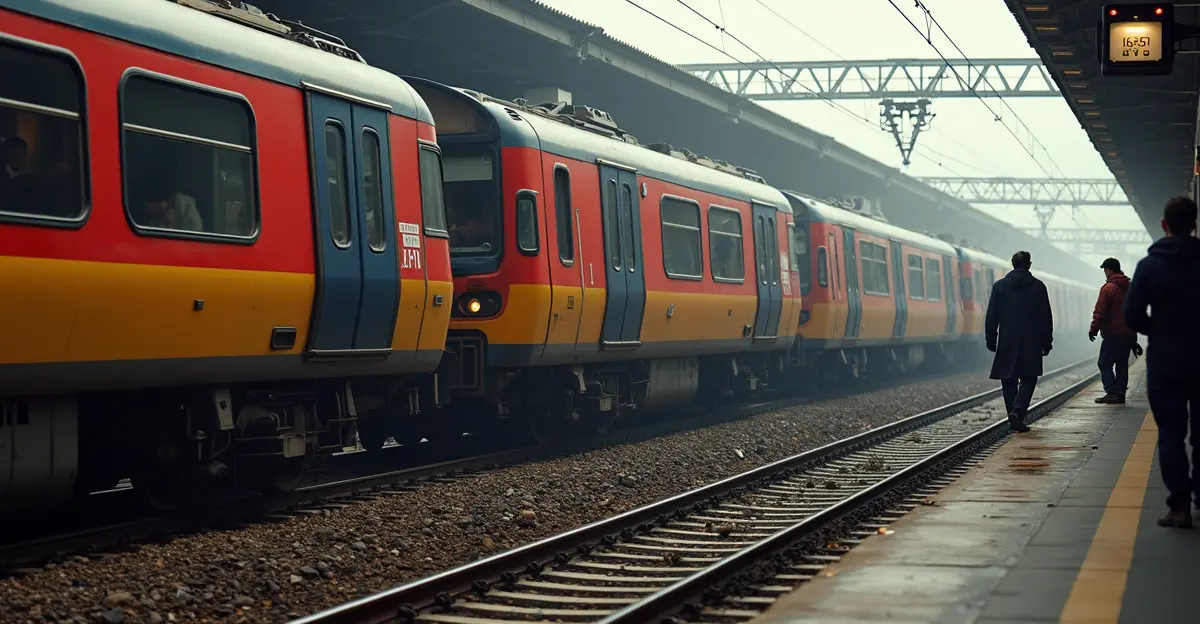
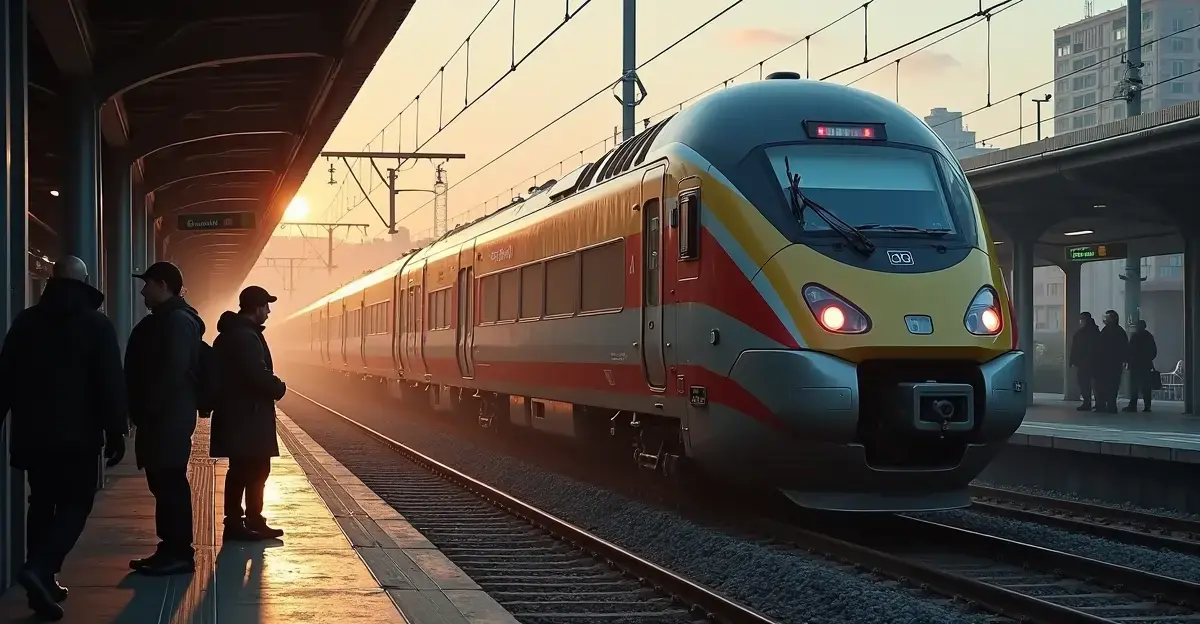
At least 68 people died and dozens were injured on Wednesday, October 28, 2026, when a Renfe high-speed train struck a stationary Iryo train near Urda in Spain's Toledo province. The Spain train crash — the country's second deadly high-speed rail disaster this year — occurred after traffic control authorised the moving train to pass a red signal following a computer failure, Transport Minister Óscar Puente said.
What happened in the Spain high-speed train crash near Urda?
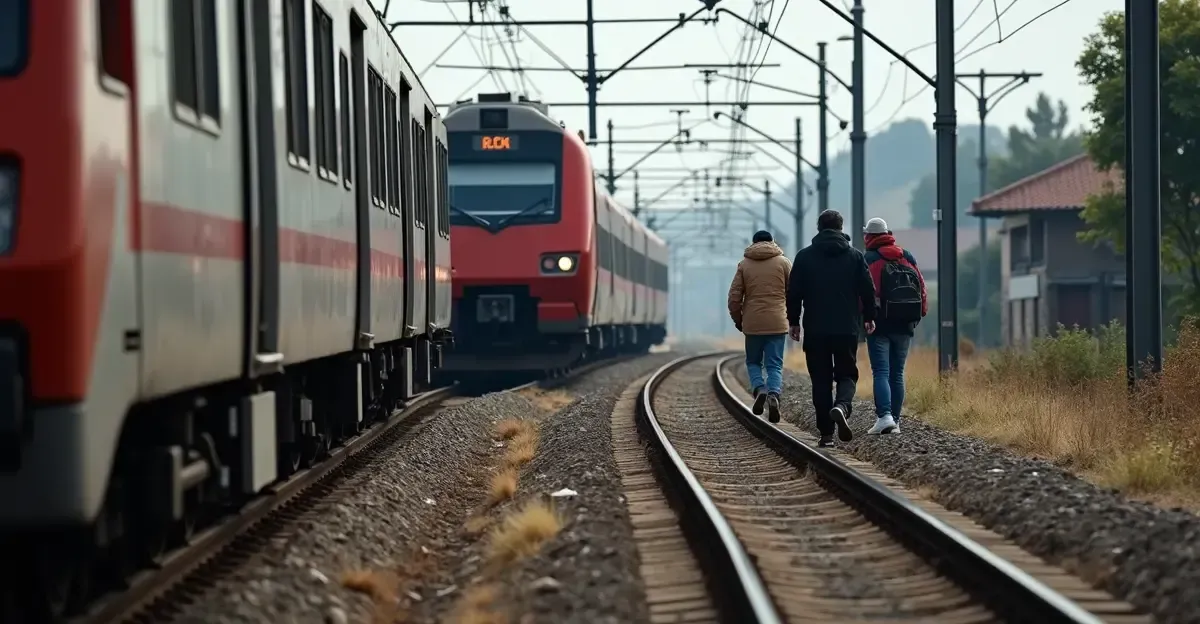
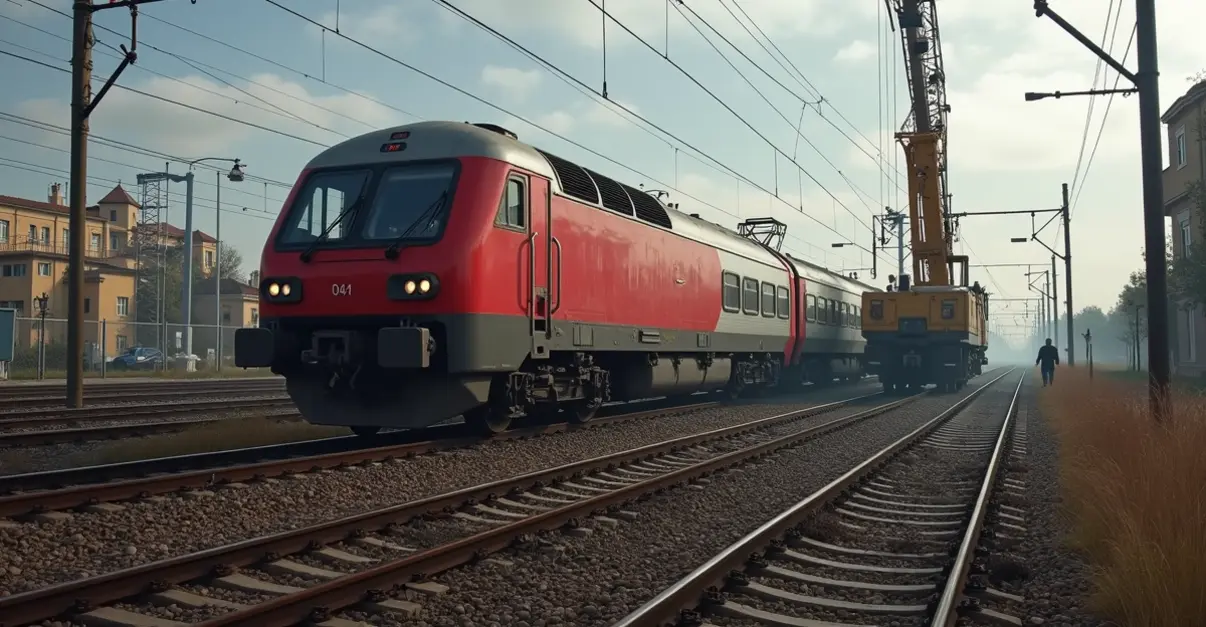
Shortly after 08:30 local time, the control system at Urda station failed, disabling safety signalling along a 63-kilometre stretch of the Madrid–Seville high-speed line. All trains on the affected route came to a halt. According to Minister Puente, the Renfe train was then cleared by traffic control to resume its journey — despite signals remaining red. Normally, when signals fail, drivers must proceed at no more than 40 kilometres per hour so they can stop on sight. Instead, the Renfe service was allowed to continue at higher speed and rear-ended the stationary Iryo train, which was carrying 147 passengers.
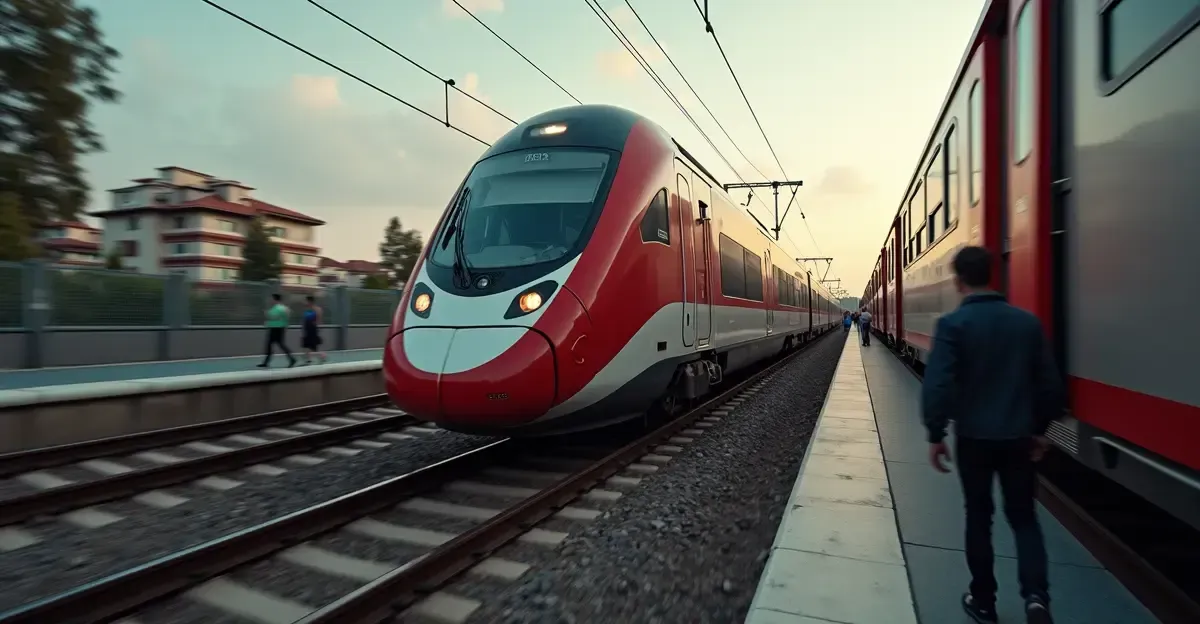
The collision happened on the Spanish high-speed rail network, one of Europe's most extensive. More than 500 passengers were aboard the two trains; most of the dead were travelling in the stationary Iryo service.
Why did the train pass a red signal?
Transport Minister Óscar Puente said the decision to let the Renfe train continue under inexplicable circumstances is now central to the investigation.
Computer failure left a 63 km gap
The signalling outage meant automated train protection could no longer monitor or stop trains. In such situations, rail operator Adif typically switches to manual operations with strict speed limits.
Standard protocol vs. what happened
- Normal rule: maximum 40 km/h after signalling failure so drivers can drive on sight
- Actual: Renfe train resumed at higher speed without speed restriction
- Normal rule: a red signal means stop
- Actual: traffic control cleared the train despite the red signal
Puente said the engineers were not to blame, placing scrutiny on the traffic control decision.
Death toll, survivors and three days of national mourning
Officials confirmed at least 68 deaths. At least 40 of the victims were in the stationary Iryo train. Survivors described the impact as extremely violent.
I was in the aisle and was thrown four or five seats further, one man aboard the stationary train told radio station Onda Cero. After the collision I saw dead people lying in the carriage.
Prime Minister Pedro Sánchez travelled to the command centre in Toledo. Today all of Spain is in mourning, he told reporters, calling the event unacceptable for a country like Spain. He announced three days of national mourning starting Thursday and promised a full inquiry. We will get to the bottom of what happened, and if there has been negligence, it will come to light.
Spain's second deadly high-speed train crash this year
The Urda disaster follows a January 18 collision near Adamuz in Córdoba province, when two high-speed trains derailed and killed more than 40 people. The January Adamuz train derailment had already raised serious questions about safety on the same Madrid–Andalusia corridor.
Rail union Semaf had called for stronger track safety before the latest crash and confirmed that a planned strike on Thursday would go ahead. Semaf maintains the strike called in defence of rail safety, the union said.
Investigations, accountability and the road ahead
An independent commission is investigating alongside the Ministry of Transport and the Ministry of the Interior. Adif, Spain's railway infrastructure manager, is also examining how the train traffic control systems failed and why the red signal was overridden.
The crash has reignited political debate over rail safety spending and oversight, with a snap election approaching on November 29, 2026. Rail services between Madrid, Ciudad Real and Andalusia were suspended.
FAQ: Spain high-speed train crash
How many people died in the Spain train crash?
At least 68 people were killed and dozens were injured in the collision near Urda, Toledo province, on October 28, 2026.
Why did the train run a red signal?
A computer failure disabled signalling along a 63-kilometre stretch, and traffic control authorised the Renfe train to resume despite a red signal — a decision the transport minister called inexplicable.
Which trains were involved?
A Renfe high-speed train travelling from Madrid to Seville rear-ended a stationary Iryo high-speed train carrying 147 passengers.
Has Spain had other train crashes in 2026?
Yes. In January, two high-speed trains derailed near Adamuz in Córdoba province, killing more than 40 people.
Will rail safety rules change?
Investigations are ongoing, and the drivers' union Semaf says its strike for better rail safety will proceed on Thursday.
Follow Discussion