


 Deutsch
 English
 Español
 Français
 Nederlands
 Português

 Share





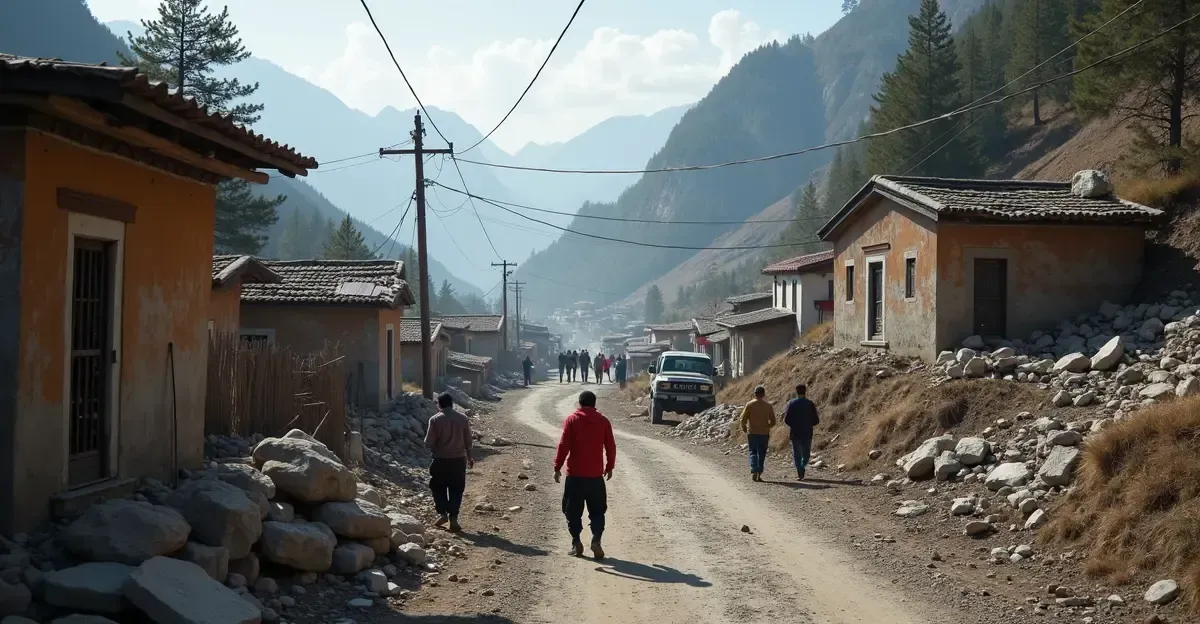
A magnitude 7.0 earthquake struck northern Tibet's Nagqu region late on 22 October 2026, killing at least 16 people, injuring 54 and collapsing at least 339 homes. The Tibet 7.0 earthquake, one of the strongest to hit the area in five years, left 11 people seriously hurt and destroyed 20 livestock sheds, according to Chinese official media. Rescue teams were still working through high-altitude villages on 23 October, meaning the death toll and damage estimates could rise.
What Happened in Nagqu?
The quake hit at 22:33 local time (14:33 GMT) on 22 October, with the USGS placing the epicenter about 191 kilometers east-northeast of Nagqu city at a depth of 11 miles (18 km). The China Earthquake Networks Center recorded the same magnitude, and at least seven aftershocks ranging from 4.3 to 5.2 followed. The epicenter lies in Baqên County, a sparsely populated area where average elevation is about 4,800 meters (15,700 feet), close to the border with Qinghai province. The Tibetan Plateau seismic activity makes this region particularly prone to strong, shallow tremors.
Rescue and Relief Efforts Under Way
More than 1,600 local residents joined search-and-rescue operations alongside 300 police officers and nearly 350 firefighters, Chinese state media reported. Authorities activated emergency protocols and dispatched 1,000 prefabricated housing units, about 3,000 tents, folding beds, flashlights and winter clothing. President Xi Jinping called for “all-out rescue and medical relief” and ordered teams to restore transit and power before winter set in. Rockfalls closed part of highway 317, some communications were down and trains were halted, while snow was forecast for the area. The emergency rescue operations are being coordinated across multiple agencies, and high-altitude winter relief supplies are being prioritized because overnight temperatures in the region can fall well below freezing.
Why This Region Is So Vulnerable
Northern Tibet sits on the tectonically active Tibetan Plateau, where the Indian plate collides with the Eurasian plate. Normal faulting caused by east-west extension triggered this earthquake, according to the USGS. The Tibetan Plateau has produced several magnitude 7.0 or larger events since 1900, including a 7.5 quake in 1997. The January 2025 earthquake in Tingri county, which killed 126 people, showed how earthquake-resistant building standards remain inadequate in remote settlements where traditional adobe structures can suffer heavy damage. In this week's quake, building collapses and ground cracks were reported in Mărú township.
Damage Snapshot
- 16 deaths confirmed; toll may rise as teams reach remote villages
- 54 people injured, including 11 in serious condition
- 339 homes and 20 livestock sheds collapsed
- 7 aftershocks between magnitude 4.3 and 5.2
- 1,600+ residents, 300 police and 350 firefighters deployed
Impact and Implications
The disaster has cut off some mountain communities, making it difficult to deliver aid before snow falls. The central government allocated 50 million yuan for housing and relief, and about 12,489 residents were moved to temporary shelters. The winter disaster logistics challenge is acute because damaged roads and freezing temperatures slow the movement of tents, medicine and generators. Officials in the Central Tibetan Administration have reported at least 20 deaths in three villages, although the official toll remained 16 on 23 October, a sign that figures may change as search teams reach isolated areas.
Frequently Asked Questions
What was the magnitude of the Tibet earthquake?
The USGS and China Earthquake Networks Center both measured the quake at magnitude 7.0. It struck at 22:33 local time on 22 October 2026.
How many people died in the Nagqu earthquake?
At least 16 people were killed and 54 were injured, with 11 seriously hurt, according to official Chinese media on 23 October. The toll could rise as rescue teams reach remote villages.
Why is northern Tibet prone to strong earthquakes?
The region lies on the Tibetan Plateau, where the Indian and Eurasian tectonic plates collide. Normal faulting and east-west extension create frequent seismic activity, including magnitude 7.0 events.
What relief supplies were sent to the disaster zone?
Authorities sent 1,000 prefabricated housing units, about 3,000 tents, folding beds, flashlights and winter clothing, and deployed more than 1,600 residents plus 650 police and firefighters.
What Happens Next?
As rescue teams restore roads and communications, the confirmed death toll and damage estimates may rise. Seismologists are monitoring aftershocks, and authorities are racing to shelter thousands before snowfall. The earthquake early warning systems in China will be reviewed after this event, alongside building standards in high-altitude counties.





Follow Discussion