


 Deutsch
 English
 Español
 Français
 Nederlands
 Português


 Share
Share




Deadly 7.8 Magnitude Earthquake Hits Mindanao, Triggers Tsunami Warnings Across Asia
A powerful earthquake with a magnitude of 7.8 struck the southern coast of Mindanao in the Philippines on Monday, June 8, 2026, at 07:37 local time, killing at least 15 people, injuring over 130, and triggering tsunami warnings across the Pacific. The quake, the strongest to hit the country since 1990, caused widespread damage to buildings, roads, and infrastructure in the Soccsksargen and Davao regions. Tsunami warnings were issued by the Philippines, Indonesia, Japan, Taiwan, Palau, and Papua New Guinea, with waves up to 3 meters (9.8 feet) detected along the southern coast of Mindanao.
What Caused the Mindanao Earthquake?
The earthquake was caused by thrust faulting on the Cotabato Trench, a subduction zone where the Sunda plate moves beneath the Philippine Sea plate. The epicenter was located 26 kilometers (16 miles) west-southwest of Kablalan in Sarangani province, at a depth of 55.2 kilometers (34.3 miles), according to the United States Geological Survey (USGS). The Philippine Institute of Volcanology and Seismology (PHIVOLCS) initially reported a magnitude of 7.0 before revising it upward to 7.8. Shaking lasted approximately 30 seconds and was felt as far as Leyte in the central Philippines and parts of Indonesia and Malaysia.
The quake was the strongest in the Philippines since the 1990 Luzon earthquake, which also had a magnitude of 7.8 but killed over 1,600 people. The 2026 event, however, occurred in a less densely populated area, which helped limit casualties. Nevertheless, the Philippines earthquake preparedness measures were put to the test as millions of residents evacuated buildings and coastal areas.
Tsunami Warnings and Wave Impacts
Immediately after the earthquake, tsunami warnings were issued for the southern Philippines, Indonesia, Japan, Taiwan, Palau, and Papua New Guinea. The Pacific Tsunami Warning Center (PTWC) warned that hazardous waves could occur within 300 kilometers of the epicenter. In the Philippines, waves up to 3 meters (9.8 feet) were reported along the coast of Sarangani and General Santos City. In Indonesia, waves of up to 0.83 meters (2.7 feet) were observed in North Sulawesi, while Japan issued a tsunami advisory for its eastern coast. The warnings were largely lifted after about five hours, though authorities urged coastal residents to remain vigilant. No tsunami-related casualties were reported.
The tsunami warning systems in Asia were activated swiftly, with the PTWC and national agencies coordinating alerts. President Ferdinand Marcos Jr. urged residents to move to higher ground, stating, "We are mobilizing all resources to ensure the safety of our people. Please heed the warnings and evacuate immediately."
Damage and Casualties
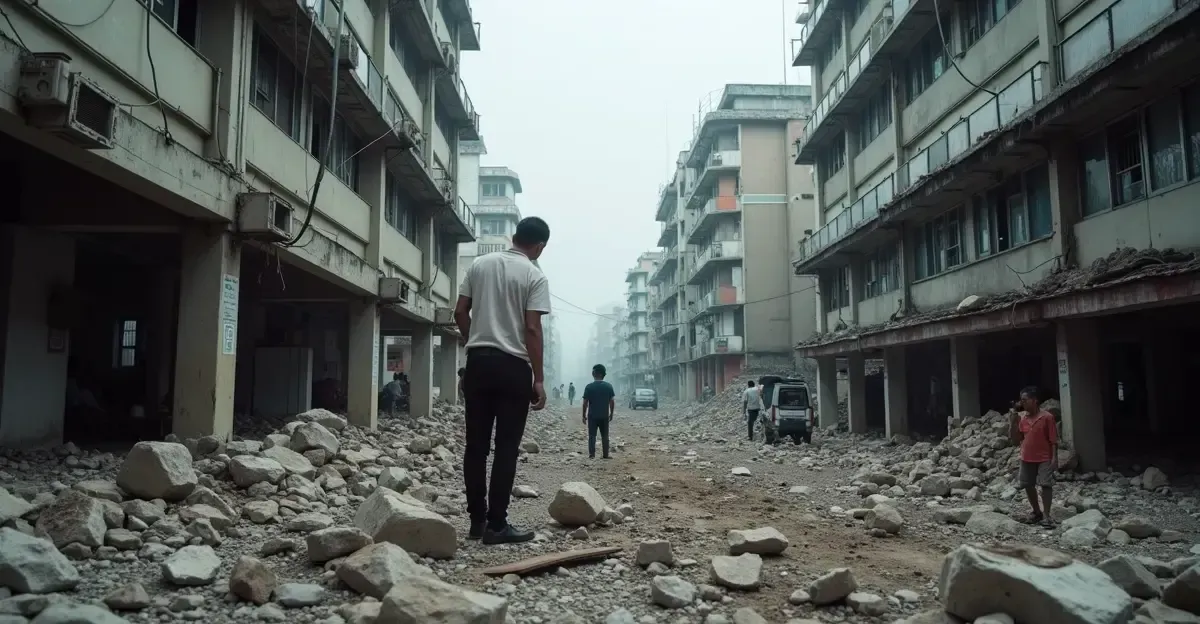
At least 15 people were confirmed dead, 132 injured, and seven reported missing as of the latest update. The hardest-hit areas include General Santos City, where several buildings collapsed, including a Jollibee restaurant and a convenience store. St. Elizabeth Hospital in General Santos sustained severe damage, forcing the evacuation of patients and staff. The city's international airport was temporarily shut down, canceling 17 domestic flights. A key bridge in General Santos developed dangerous cracks, disrupting transportation.
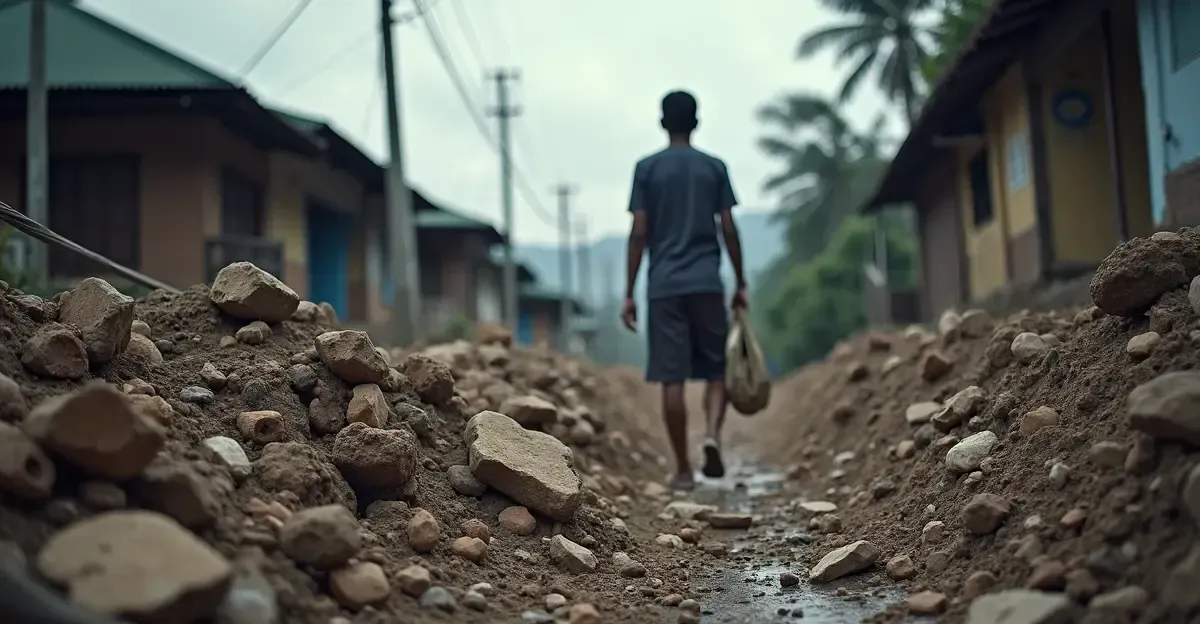
Across Mindanao, over 37 structures were reported damaged, including schools, hospitals, and commercial buildings. Power outages affected multiple provinces, including South Cotabato, Sarangani, Sultan Kudarat, and parts of Davao. Landslides were reported in mountainous areas, blocking roads and hampering rescue efforts. The Philippine Army's 10th Infantry Division mobilized humanitarian assistance and disaster response teams from several battalions to assist affected communities.
The earthquake struck as public schools were reopening for the new semester, with around 3.2 million students affected by school closures ordered by President Marcos. Video footage showed terrified schoolchildren evacuating their classrooms as the ground shook.
Government Response and Humanitarian Aid
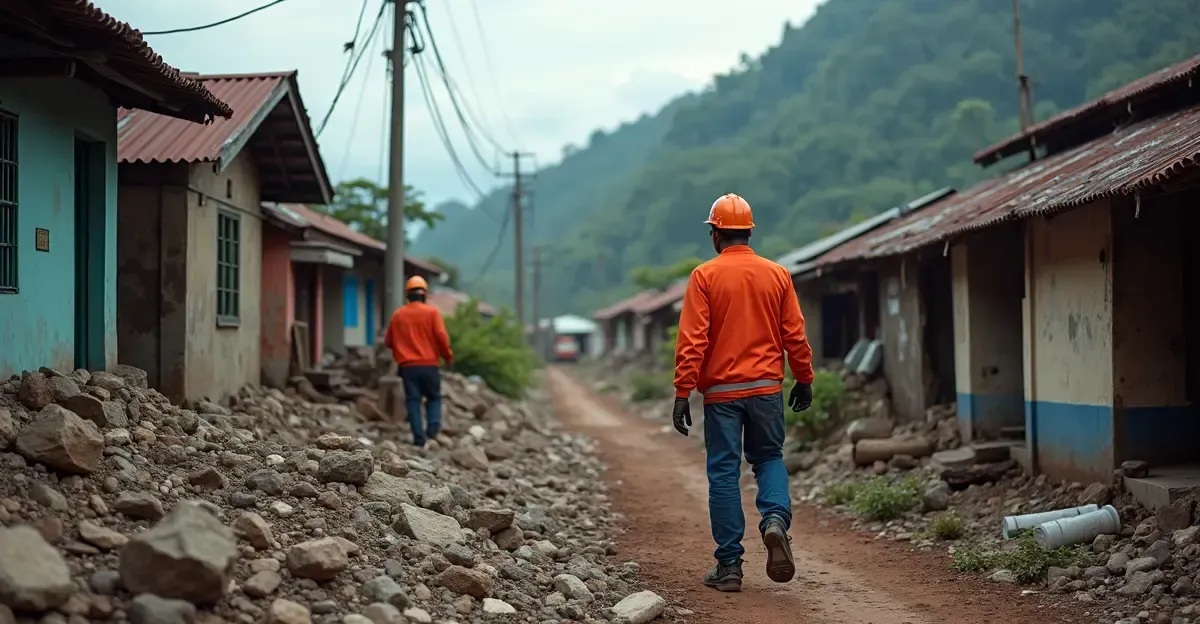
President Ferdinand Marcos Jr. ordered the immediate mobilization of all government agencies, including the Office of Civil Defense, the Department of Social Welfare and Development, and local government units. Search and rescue operations are underway, with relief goods and medical aid being distributed to displaced families. The national government has pledged full support for rehabilitation efforts in the affected regions.
The humanitarian response to natural disasters in the Philippines has been bolstered by international offers of assistance. The ASEAN Coordinating Centre for Humanitarian Assistance has offered support, while Japan and the United States have expressed readiness to provide aid if needed. The Philippine Red Cross has deployed volunteers to assist in rescue and first aid operations.
Aftershocks and Ongoing Risks
PHIVOLCS reported over 138 aftershocks following the main quake, with the largest being a magnitude 6.5 event. Authorities warned that aftershocks could continue for weeks, posing additional risks to already weakened structures. Residents are advised to stay away from damaged buildings and remain alert for further seismic activity. The Cotabato Trench remains a seismically active zone, and experts caution that significant aftershocks could trigger additional landslides or tsunamis.
FAQ: 2026 Mindanao Earthquake
What was the magnitude of the 2026 Mindanao earthquake?
The earthquake had a magnitude of 7.8, according to the USGS and PHIVOLCS. The BMKG of Indonesia reported a magnitude of 8.2.
How many people died in the Philippines earthquake?
At least 15 people were killed, 132 were injured, and seven remain missing as of the latest reports.
Was a tsunami triggered by the earthquake?
Yes, a tsunami with waves up to 3 meters (9.8 feet) was detected along the southern coast of Mindanao. Waves of up to 0.83 meters were observed in Indonesia. No tsunami-related deaths were reported.
Is this the strongest earthquake to hit the Philippines?
It is the strongest since the 1990 Luzon earthquake (magnitude 7.8), which killed over 1,600 people. The 1976 Moro Gulf earthquake (magnitude 8.1) caused a devastating tsunami that killed 8,000 people.
What should I do if I feel an aftershock?
Drop, cover, and hold on. Stay away from windows, heavy furniture, and damaged structures. Follow local authorities' instructions and evacuate to higher ground if a tsunami warning is issued.
Sources
This article is based on reports from the United States Geological Survey (USGS), the Philippine Institute of Volcanology and Seismology (PHIVOLCS), the Pacific Tsunami Warning Center (PTWC), CNN, Al Jazeera, the Manila Standard, and the Philippine News Agency.


Follow Discussion