


 English
 Nederlands
 Deutsch
 Français
 Español
 Português

Daily News Summary – 2026-09-09 – 2

On September 9, 2026, global headlines were dominated by intersecting crises in energy, geopolitics, and technology. Germany arrested a suspected climate extremist for sabotaging power lines, while the dollar's reserve share hit a 30-year low amid the rise of BRICS financial infrastructure. Israeli Prime Minister Netanyahu faced explosive allegations that he ignored a direct warning before the October 7 Hamas attack. Diplomats in Geneva struggled to forge rules for autonomous weapons as major powers blocked progress. The Strait of Hormuz remained largely closed, removing a fifth of global oil supply and rattling markets. Meanwhile, AI data centers confronted severe electricity grid bottlenecks, pushing tech giants toward nuclear power. Here are the day's key stories.
German police arrest suspect in power grid sabotage case

A 48-year-old man was arrested near Weisweiler after a series of sabotage attacks on German electricity infrastructure. Investigators say he used homemade rockets to fire wire over power lines, causing short circuits. The suspect, described as a climate extremist, allegedly planned further strikes in the Netherlands.
Netanyahu warned of October 7 Hamas attack, new book claims
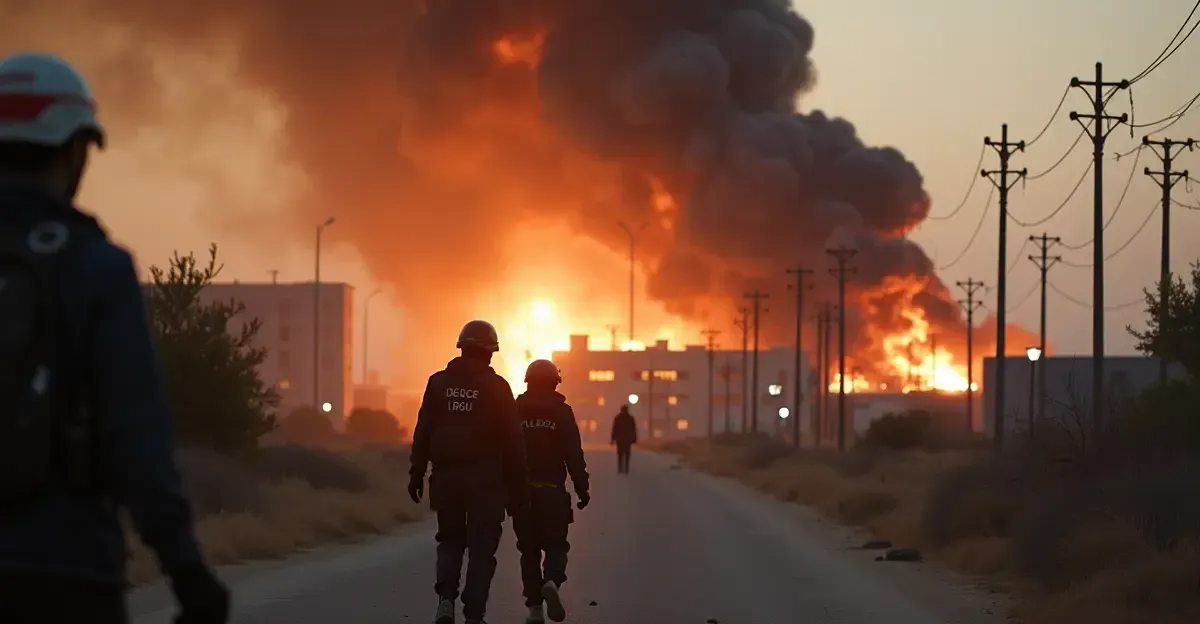
A book by Haaretz journalists claims UAE President Mohamed bin Zayed warned Netanyahu about Hamas's plans more than a week before the attack. Netanyahu's office denies the call, but the allegations could shake his political standing ahead of Israel's election.
Dollar's reserve share falls to lowest since 1995 as BRICS push alternative finance

IMF data shows the U.S. dollar's share of global reserves fell below 57% in Q1 2026. BRICS platforms mBridge, BRICS Pay, and The Unit processed billions in settlements, eroding petrodollar dominance. Analysts call it managed fragmentation, not dollar collapse.
Autonomous weapons talks falter as US and Russia resist binding rules

At UN CCW talks in Geneva, major powers clashed over a new protocol for lethal autonomous weapons. The ICRC warns that without urgent action, machines may soon make life-and-death decisions without human control. The November review conference is seen as a last chance.
Strait of Hormuz closure removes 20% of global oil supply, prices surge

The late February 2026 crisis has caused Brent crude to jump to $146 per barrel and global trade growth to slow sharply. Shipping through the strait is down 95%, and developing economies face debt risks. Governments are accelerating renewable energy and strategic reserve releases.
Also Notable
Energy
AI data centers face severe grid bottlenecks, pushing tech to nuclear

AI-driven data center electricity demand is projected to exceed 1,000 TWh in 2026, but grid constraints delay up to 50% of projects. Hyperscalers are investing in nuclear restarts and SMRs, while natural gas fills the gap. Electricity, not GPU supply, is now AI's binding constraint.
 Share this article



