


 Deutsch
 English
 Español
 Français
 Nederlands
 Português


 Share
Share




The Strait of Hormuz shock of late February 2026 has removed roughly 20% of global oil supply from the market, a disruption three to five times larger than the 1973 Arab oil embargo. With ship transits through the narrow chokepoint collapsed by 95%, Brent crude has surged more than 60% to $146 per barrel, and global merchandise trade growth is expected to fall from 4.7% in 2025 to as low as 1.5% in 2026, according to UNCTAD projections.
Background: The Strait of Hormuz Chokepoint
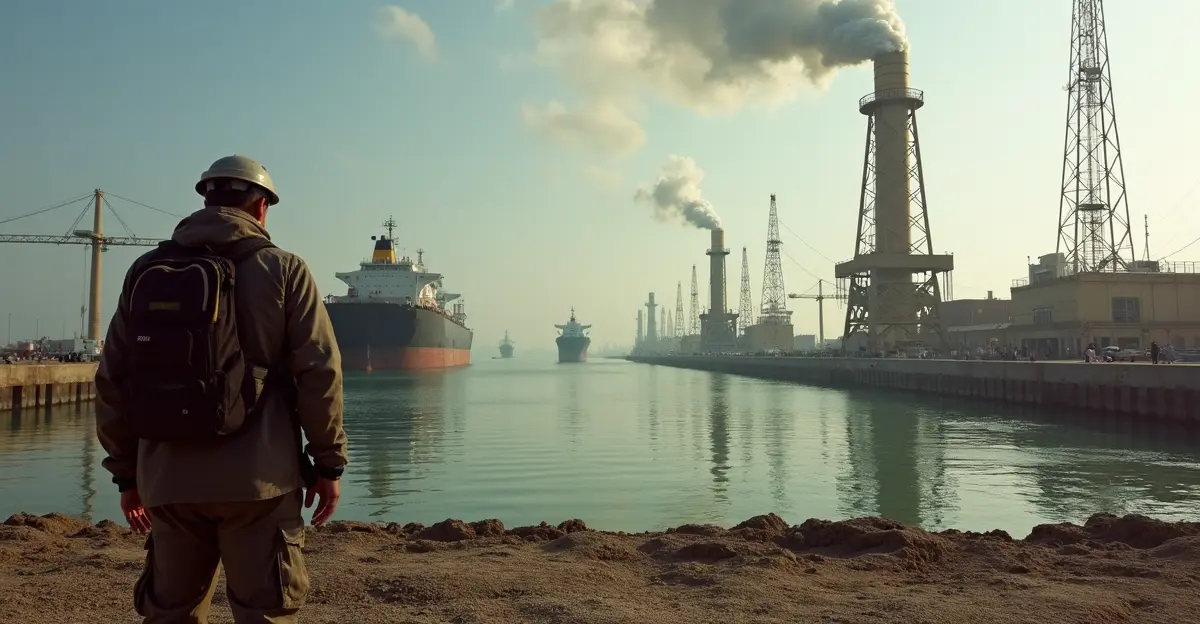
The Strait of Hormuz, barely 21 miles wide at its narrowest point, has long been the world's most critical maritime energy corridor. Before the crisis it carried roughly 21 million barrels of oil per day—about 20% of global supply—along with more than 80 million tonnes of LNG annually. Iran's Revolutionary Guard closed the strait in late February 2026 following Israeli-U.S. strikes, triggering what Wood Mackenzie calls the greatest threat to global energy markets in decades. The disruption has exposed deep vulnerabilities in global energy security.
Cascading Effects on Energy Markets and Supply Chains
Oil prices have experienced their largest monthly gain on record. Brent crude jumped 65% in a single month to $146 per barrel, while diesel and jet fuel prices in a worst-case scenario could approach $300 per barrel, according to Wood Mackenzie. More than 11 million barrels per day of Gulf crude and condensate production are curtailed, and approximately 20% of global LNG supply is inaccessible.
Shipping and Logistics Disruption
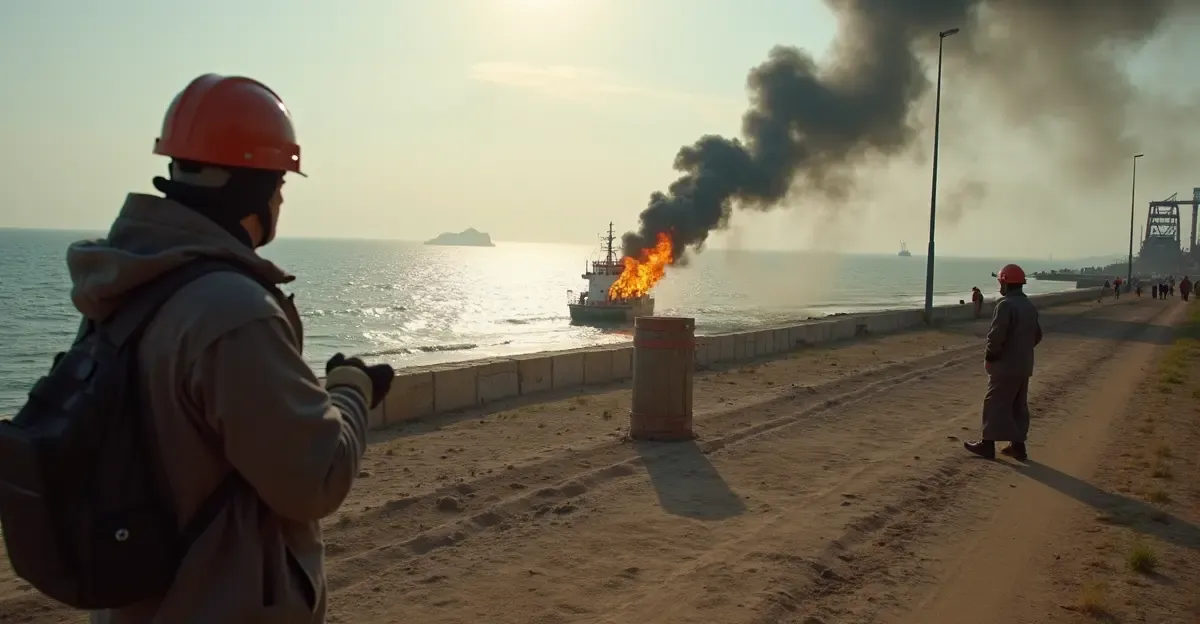
Persian Gulf ports have effectively shut down, with ship transits collapsing by 95%. Carriers are rerouting around the Cape of Good Hope, adding weeks to delivery times and sharply higher freight costs. At least 15 airlines suspended Middle East services, further straining global supply chain resilience. The result is a cascading bottleneck across manufacturing, agriculture, and consumer goods.
Financial Stability Risks in Developing Economies
The IMF has warned of sovereign debt default risks as oil-importing developing nations face currency crises, inflation spikes, and food shortages. Countries with limited foreign reserves and heavy energy subsidies are most exposed. UNCTAD data indicate that the 1.5% trade growth projection for 2026 masks a much sharper contraction in developing country trade flows.
Strategic Rethinking of Energy Routes and Reserve Policies
In response, the European Union announced a €300 billion renewable energy plan, while governments are accelerating electrification, LNG diversification away from the Gulf, and strategic petroleum reserve releases. The crisis is fragmenting the global energy system and reinforcing the strategic imperative to reduce fossil-fuel dependence, though the transition faces its own critical mineral supply challenges.
Expert Perspectives
Wood Mackenzie analysts outline three scenarios: a quick peace by June with Brent easing to about $80 per barrel; a summer settlement with a shallow global recession; and an extended disruption through end-2026. In the worst case, Brent could approach $200 per barrel, global GDP could contract 0.4%, and Middle East GDP could fall 10.7%. This is not a temporary blip but a structural reset of energy security assumptions, said one senior analyst.
FAQ: Strait of Hormuz Crisis Explained
What is the Strait of Hormuz and why is it important?
It is a narrow waterway between Iran and Oman that handles about 20% of global oil and LNG trade. Its closure removes a critical energy artery.
How much oil supply has been removed?
Roughly 20% of global oil supply—over 11 million barrels per day—has been curtailed, with ship transits down 95%.
What are the main economic impacts?
Oil prices surged over 60%, global trade growth is expected to fall to 1.5%, and developing economies face debt and currency crises.
How are countries responding?
Governments are releasing strategic reserves, rerouting supply chains, and accelerating renewable energy investment, including the EU's €300 billion plan.
Conclusion and Future Outlook
The Strait of Hormuz shock is the defining geopolitical-economic event of 2026. Its effects will likely linger even if the strait reopens, as companies and governments reprice risk, diversify routes, and rethink energy security. The path from a 4.7% to 1.5% trade growth trajectory marks a turning point for the global economy.

Follow Discussion