


 Deutsch
 English
 Español
 Français
 Nederlands
 Português


 Share
Share




A catastrophic Grand Canyon flash flood on Saturday, August 29, 2026, has left at least one person dead and about 15 others missing after a calm creek in Bright Angel Canyon turned into a violent torrent of mud, boulders and debris. The National Park Service (NPS) confirmed the body of a 46-year-old man was recovered near Crystal Rapids along the Colorado River, roughly 25 miles from where the flooding originated.
What Happened in Bright Angel Canyon?
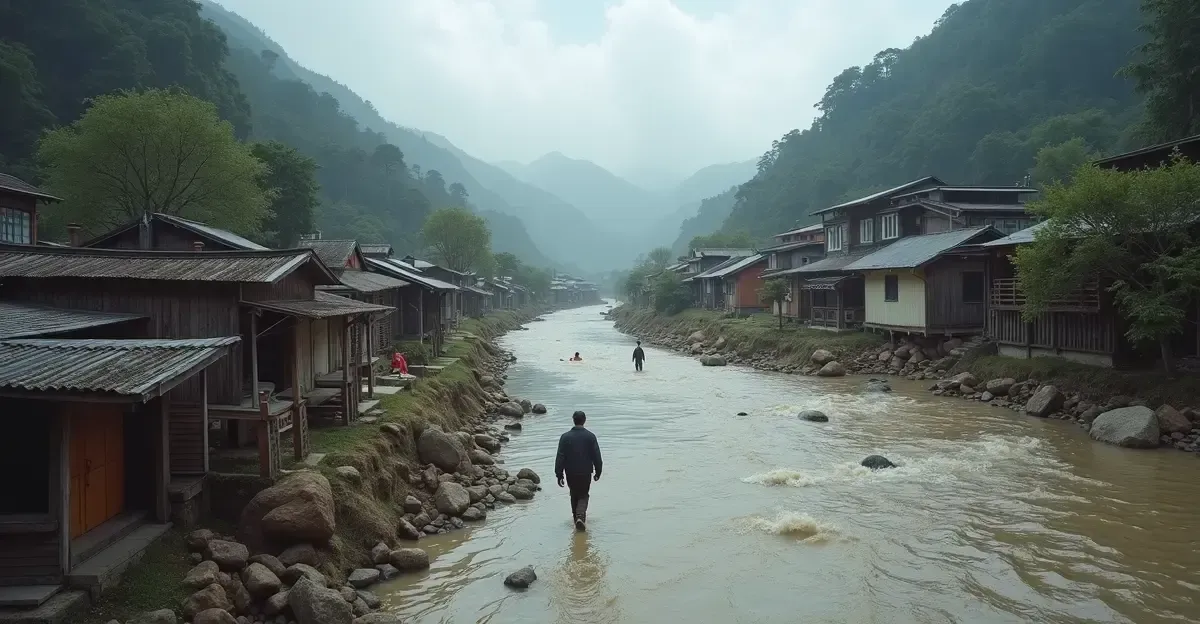
The disaster unfolded around 2:30 p.m. MST as intense monsoonal rainfall — up to 1 inch per hour — pounded the North Rim area. Within a quarter of an hour, the downpour intensified to two-thirds of an inch, funneling water down the steep, rocky terrain into Bright Angel Creek. Water levels rose more than 5 feet in just 10 minutes, producing floodwaters up to 15 feet tall.
Eyewitnesses described a terrifying transformation. 'I had to hurry to escape the rising water. A wall of water several meters high washed away every bridge in the creek,' one visitor told ABC News. The water then turned into a mud flow of broken structures and massive boulders.
The Arizona monsoon season is notorious for sudden, violent storms that can trigger flash floods even when thunderstorms are miles away.
Casualties and Missing Persons
Authorities have rescued and evacuated 62 people by helicopter, with assistance from the American Red Cross and the Arizona Department of Public Safety. Most were taken from Phantom Ranch and Bright Angel Campground, popular backcountry destinations at the bottom of the canyon.
About 15 people remain unaccounted for, though officials caution the number may change as hikers are located. Search teams are focusing on Bright Angel Canyon, the North Kaibab Trail and an area known as 'the Box'.
The confirmed victim, a 46-year-old man, was found near Crystal Rapids, underscoring how far flood debris can travel through the canyon system.
Damage and Park Closures
The flood destroyed nearly all footbridges spanning Bright Angel Creek and severely damaged the Transcanyon Waterline, the park's only water supply for residents and visitors. The damaged pipeline forced officials to cancel overnight hotel stays, restrict water use at campgrounds and urge permanent residents to conserve water.
Phantom Ranch, Bright Angel Campground and the North Kaibab Trail are closed indefinitely. Colorado River traffic has also been halted because of massive boulders, submerged debris and metal structures swept into the water. Park officials say sections of the canyon remain closed due to significant damage and large debris fields.
A flash flood watch remains in effect, with more thunderstorms forecast through Monday. Saturated soil and lingering monsoonal moisture could worsen conditions.
The damage to the Transcanyon Waterline has raised broader concerns about aging park infrastructure during extreme weather.
Grand Canyon Flash Flood Safety Tips
Visitors planning a trip during monsoon season should review essential Grand Canyon flash flood safety tips and heed all park alerts. Key recommendations include:
- Seek higher ground immediately if you see or hear rising water.
- Never walk or drive through floodwaters — roads may be washed out.
- Avoid streams, low-lying areas and slot canyons during storms.
- Remember that even six inches of fast-moving water can knock an adult off their feet.
FAQ
What caused the Grand Canyon flash flood in August 2026?
Intense monsoonal rainfall — up to 1 inch per hour — fell on the North Rim, funneling into Bright Angel Creek and raising water levels more than 5 feet in 10 minutes.
How many people died or went missing in the Grand Canyon flood?
One person, a 46-year-old man, was confirmed dead. About 15 others were reported missing or unaccounted for as of August 31, 2026.
Is the Grand Canyon open after the flash flood?
The park remains open during the day for some visitors, but Phantom Ranch, Bright Angel Campground and the North Kaibab Trail are closed indefinitely. Overnight stays are cancelled.
Was the Transcanyon Waterline damaged?
Yes. The Transcanyon Waterline — the park's sole water supply — was severely damaged, prompting water conservation measures and overnight stay cancellations.
How can I stay safe from flash floods in the Grand Canyon?
Monitor NOAA Weather Radio, avoid low-lying areas and slot canyons during monsoon season, and move to higher ground immediately if water rises.



Follow Discussion