


 Deutsch
 English
 Español
 Français
 Nederlands
 Português


 Share
Share




The Tibet flood disaster at the Gyirong border crossing has killed at least 7 people on the Chinese side and left 554 missing, according to state news agency Xinhua, yet independent reporting remains nearly impossible. While Nepalese journalists freely interview survivors and rescue workers, foreign media are barred from entering Tibet, leaving Chinese state media as the de facto sole source of information about the August 26, 2026 catastrophe.
What happened at the Gyirong border crossing?
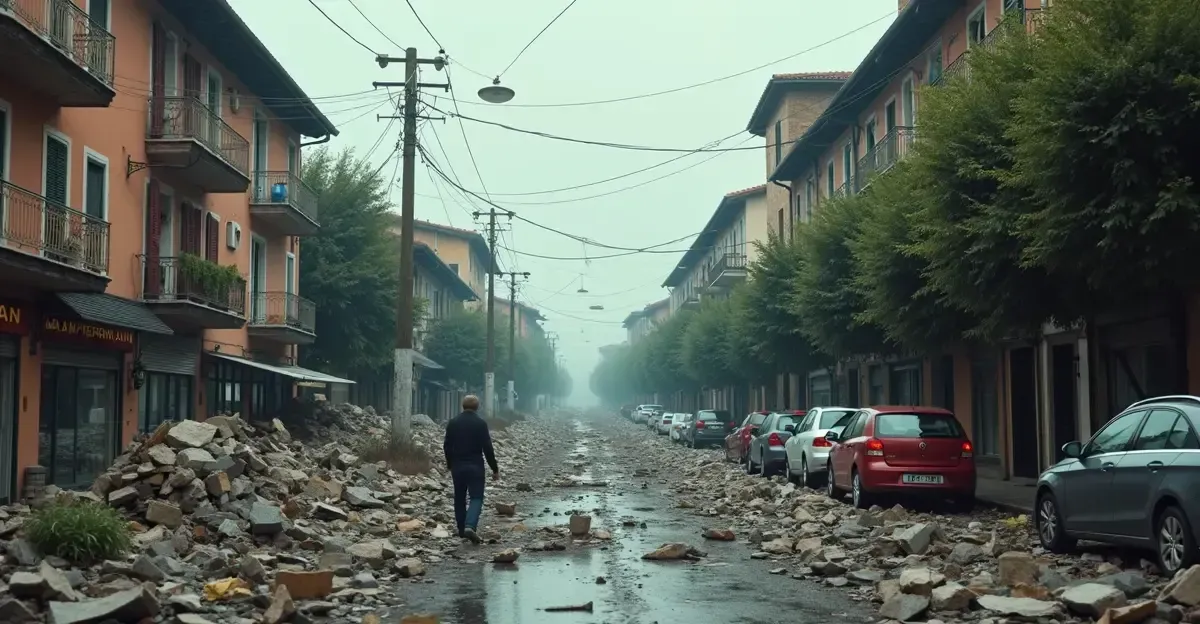
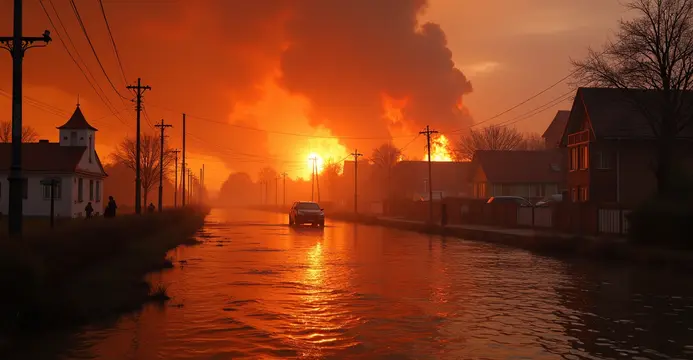
A glacial landslide and mudslide tore through the remote Gyirong Port in Shigatse Prefecture at around 10:30 a.m. local time on Wednesday, August 26, 2026, destroying a major China–Nepal trade route. The disaster displaced more than 100 million cubic metres of ice, rock and debris, according to early assessments. Across the border in Nepal, the death toll has climbed to 675 with 2,498 missing, while China officially reports only 7 dead and 554 missing — figures experts say are difficult to verify due to tight information control.
The catastrophe echoes the glacial lake outburst floods in the Himalayas that scientists have warned are becoming more frequent as glaciers retreat. Gyirong County sits downstream of numerous glaciers on the Poiqu River and has long been vulnerable to flooding.
Why is information from Tibet so limited?
Tight state media control
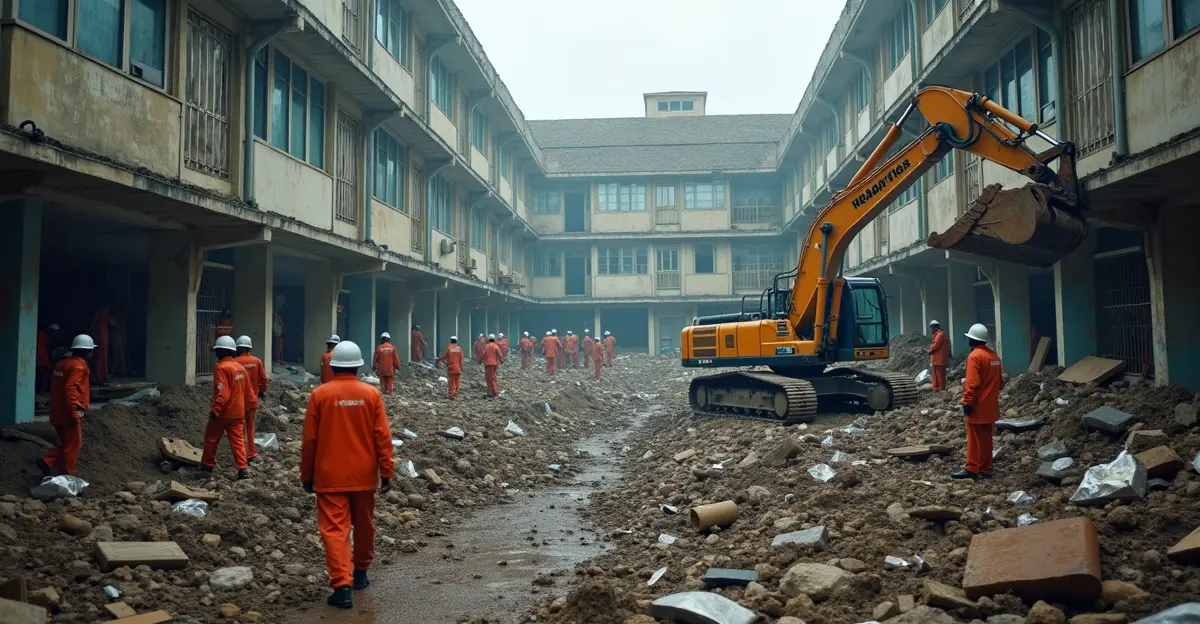
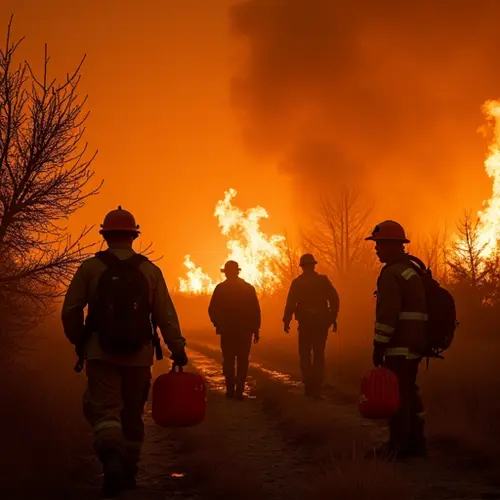
Chinese state media dominate coverage of the Tibet flood, focusing almost exclusively on the heroism of rescue workers and the government’s response. “Chinese journalists on the ground receive strict instructions — the courage and perseverance of rescuers and the active role of the government must be the main story,” explains NOS China correspondent Laura van Megen. Reports quantify the response: how many drones, police officers, firefighters, dogs and soldiers have been deployed, and how much money has been allocated.
Restricted access for foreign journalists
Foreign media cannot simply enter Tibet. Chinese citizens may travel in and out, but foreign tourists require special permits and organised tours, and access for diplomats and journalists is even harder. Human Rights Watch says China has denied permits to independent foreign journalists in Tibet since 2007. The China Tibet media censorship system means that unlike on the Nepalese side, where reporters move freely among rescuers, victims and relatives, the Chinese disaster zone remains largely invisible to outside eyes.
Censorship of disaster footage
Security camera footage showing the mudslide swallowing the border post circulated briefly before being removed from much of the Chinese internet. Users warned each other to forward videos in private messages and cautioned about censorship. Because accounts are registered under real names, authorities know who is behind each post. “During large disasters like this one, the censors really operate at full capacity,” the NOS report states. Family members do post missing-person appeals, but these do not go viral the way they would elsewhere, and Chinese media do not amplify them in the same way.
How does coverage compare with Nepal?
| Reporting factor | Nepal | Tibet (China) |
|---|---|---|
| Foreign journalist access | Open, direct interviews | Permits denied, heavily restricted |
| Casualty information | Detailed, updated figures | State-approved figures only |
| Video of disaster | Widely available | Scrubbed from platforms |
| Main narrative | Survivors and victims | Rescuer heroism, government action |
What does the government response reveal?
Premier Li Qiang’s rapid visit to the disaster site is notable. “That the premier travelled quickly to the disaster area is quite unique,” the NOS analysis notes, placing this event on the same level as the COVID-19 outbreak and the 2008 Wenchuan earthquake, which killed 70,000 people. In the state evening news, footage from Tibet itself appeared only after 17 minutes — showing the premier instructing officials along the flooded river. The Chinese disaster information control framework, tightened during the pandemic, criminalises the spread of so-called “fake news” during natural disasters, which Beijing frames as necessary to prevent social unrest but critics see as a tool to silence dissent.
FAQ: Tibet flood media blackout
Why are there so few images from the Tibet flood?
China restricts foreign journalist access to Tibet and censors disaster footage on domestic platforms, leaving state media as the main visual source.
How many people are missing in the Tibet flood?
Chinese state media report 554 missing and 7 dead on the Chinese side as of August 29, 2026; Nepal reports 2,498 missing and 675 dead.
Can foreign journalists enter Tibet?
Generally no. Foreign media need special permits, and independent access has been denied since 2007 according to Human Rights Watch.
What caused the Gyirong border flooding?
A glacial landslide and mudslide struck Gyirong Port on August 26, 2026, displacing massive debris and destroying the China–Nepal border crossing.
Why does China censor flood videos?
Beijing cites the need to prevent panic and “fake news,” but analysts say censorship is part of a broader national-security approach to information control in Tibet.


Follow Discussion