


 Deutsch
 English
 Español
 Français
 Nederlands
 Português


 Share
Share




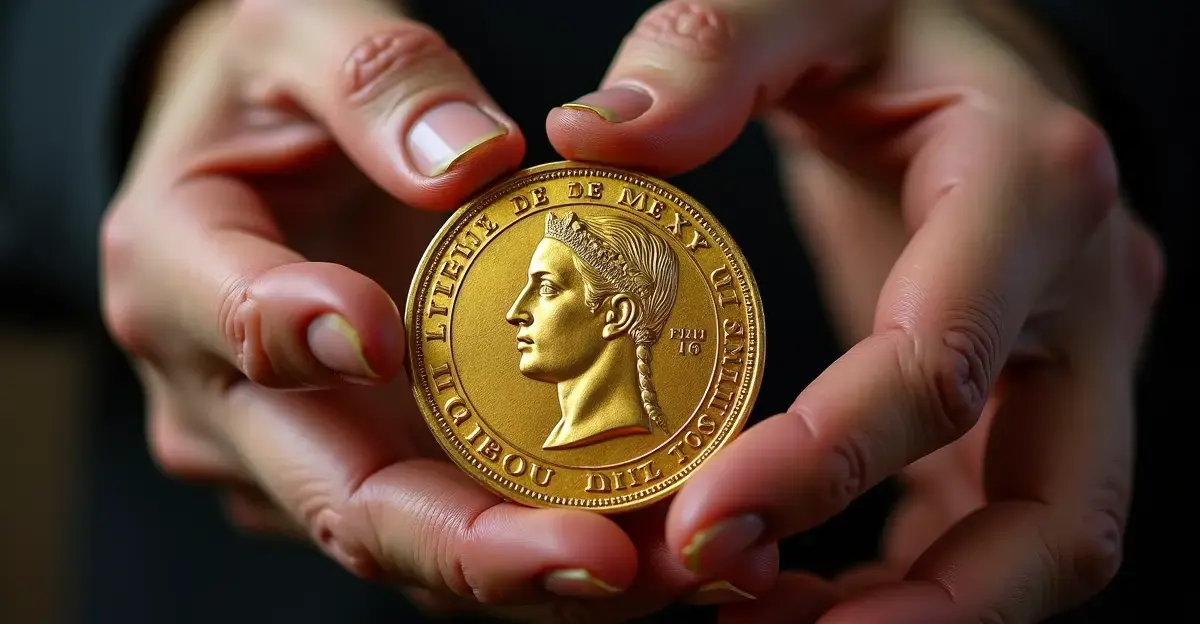
A rare Curaçao gold coin has sold for a record $390,400 (more than €336,000) at a U.S. auction on 1 September 2026, making it the most expensive coin ever from the former Dutch colony in the Caribbean. The 180 reaal piece, struck around 1815, had been expected to fetch at least $100,000, but intense bidding pushed the final price nearly four times higher, according to Stack's Bowers Galleries. The record sale underscores growing interest in Caribbean colonial coinage.
What Is the 180 Reaal Curaçao Gold Coin?
The reaal was the currency of Curaçao until 1828, when the Dutch gulden was reintroduced. This particular coin began life as a Brazilian gold piece worth 12,800 reis — a type known as the “golden johannes” after Portuguese King João V, who introduced it in 1722. To make the foreign coin legal tender on Curaçao, local authorities added countermarks, called “kloppen,” directly onto the king's portrait on the obverse. These authenticity stamps allowed the coin to circulate on an island that served as a major transit route for South American trade.
Key facts about the record sale:
- Final price: $390,400 (about €336,000)
- Pre-sale estimate: at least $100,000
- Coin: 180 reaal, Curaçao, circa 1815
- Original denomination: Brazilian 12,800 reis “golden johannes”
- Uniqueness: only known example on the larger denomination
Why Is This Curaçao Gold Coin So Rare and Valuable?
Most surviving Curaçao countermarked coins are stamped on 6,400 reis Brazilian coins. The 12,800 reis base coin is exceptionally rare, and Stack's Bowers Galleries says this is the only known specimen. Its condition also boosted the price. “The 200-year-old payment medium is in good condition,” the auction house noted. Provenance details were not released; the coin was described only as “recently discovered.” The result confirms strong demand for rare Caribbean numismatic treasures.
The Rise and Fall of the Golden Johannes
The golden johannes was widely used in Atlantic trade, but its popularity made it a target for counterfeiters. Many fakes even carried copied Curaçao countermarks. Consumer confidence collapsed, and the coin's value fell. In 1819, authorities invited the public to have their johannes checked. Of 26,906 coins examined, 15,858 were declared inferior and confiscated. Many authentic coins were later melted down for their gold content, leaving only a handful of survivors. This history explains why the rare gold coin from Curaçao auctioned in September 2026 is considered unique.
What the Record Sale Means for Collectors
The $390,400 result is nearly four times the pre-sale estimate and sets a new benchmark for coins from the former Dutch Caribbean. It reflects a broader trend in rare coin auction records and rising interest in colonial-era currency. For collectors, the sale underlines the value of provenance, condition, and historical significance. It also highlights how countermarked coins — once everyday money — have become sought-after artifacts of Dutch colonial trade history.
Frequently Asked Questions
How much did the Curaçao gold coin sell for?
The coin sold for $390,400, equivalent to more than €336,000, at a Stack's Bowers Galleries auction in the United States on 1 September 2026.
What is a 180 reaal coin?
The reaal was the currency of Curaçao until 1828. A 180 reaal coin refers to the denomination used at the time; this particular piece was a countermarked Brazilian 12,800 reis gold johannes.
Why is this Curaçao coin unique?
It is the only known example of a Curaçao countermark applied to a 12,800 reis Brazilian gold coin. Most surviving countermarked coins are on 6,400 reis coins.
What are “kloppen” on a coin?
Kloppen are countermarks — official stamps punched into a foreign coin by another authority to certify it as legal tender. On this coin, the marks appear on the king's portrait.
Who auctioned the coin?
The U.S.-based auction house Stack's Bowers Galleries, which specializes in rare coins, handled the sale.




Follow Discussion