


 Deutsch
 English
 Español
 Français
 Nederlands
 Português


 Share
Share




Critical Minerals Supply Chain Analysis: How Concentration Threatens Global Energy Transition
The global energy transition faces unprecedented vulnerabilities as extreme concentration in critical minerals supply chains creates systemic risks that could derail clean energy adoption worldwide. According to recent International Energy Agency (IEA) analysis, 75% of planned lithium, nickel, and cobalt projects and over 90% of battery-grade graphite projects are concentrated in just three countries, with China dominating processing capacity for these essential materials. This concentration shapes geopolitical competition, influences national security strategies, and creates potential choke points that threaten the ambitious timelines for decarbonization set by governments and international agreements.
What Are Critical Minerals and Why Do They Matter?
Critical minerals encompass a range of metals and materials essential for clean energy technologies, including lithium for batteries, cobalt for electric vehicle motors, nickel for stainless steel and batteries, and graphite for battery anodes. These minerals form the backbone of the global energy transition, powering everything from electric vehicles to wind turbines and solar panels. The IEA's Global Critical Minerals Outlook 2025 reveals that demand for lithium is projected to increase 7-fold by 2035 under net-zero scenarios, with electric vehicles driving 80% of lithium and nickel demand growth. This exponential demand surge comes against a backdrop of highly concentrated supply chains that create strategic vulnerabilities.
The Concentration Crisis: Data Reveals Systemic Vulnerabilities
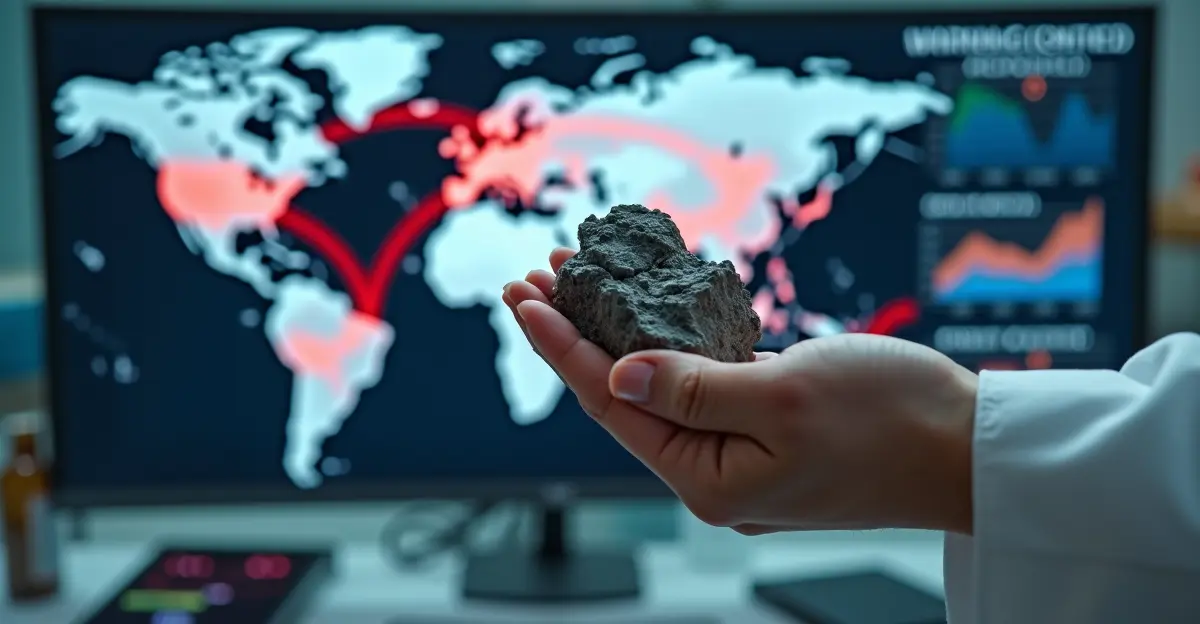
The IEA's comprehensive analysis paints a concerning picture of supply chain concentration. China currently processes 60-90% of lithium, cobalt, and rare earths, while the Democratic Republic of Congo supplies 70% of global cobalt. The concentration extends beyond current production to future projects, with three countries dominating planned developments for key minerals. This creates what experts call 'single points of failure' in global supply chains.
N-1 Resilience Analysis: A Troubling Outlook
The IEA's N-1 resilience analysis, which examines supply chain capacity when excluding the largest supplier, reveals alarming gaps. By 2035, excluding China from critical mineral supply chains would leave only 25-60% of global demand covered for essential minerals. This analysis demonstrates that diversification efforts, while underway, have not kept pace with growing demand. The Atlantic Council report on US supply chain stress testing found that geopolitical crises could deplete American stockpiles within weeks, forcing hard allocation trade-offs between defense, energy, and technology sectors.
China's Export Controls: From Theory to Reality
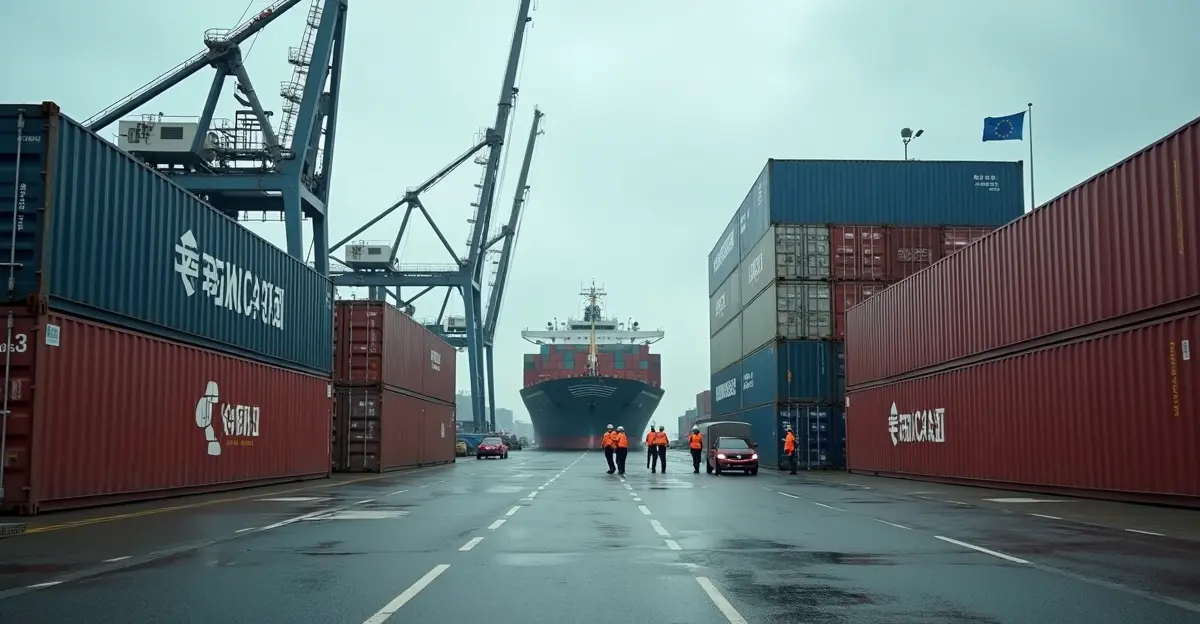
The theoretical risks of supply chain concentration became reality in 2024-2025 when China implemented significant export controls on graphite, gallium, and germanium. These restrictions, announced in December 2024, required foreign companies to obtain licenses for products containing Chinese-sourced materials, affecting strategic sectors including energy, automotive, defense, semiconductors, and AI data centers. The controls caused immediate supply disruptions, with European rare earth prices reaching six times Chinese levels at their peak.
While China temporarily suspended some export controls in November 2025 as part of trade negotiations with the United States, the episode demonstrated how quickly geopolitical tensions can translate into supply chain disruptions. 'The export controls showed that critical minerals have become tools of geopolitical leverage,' noted a senior analyst at the International Energy Agency. 'When the world's dominant processor of essential materials restricts access, entire industries feel the impact within weeks.'
Geopolitical Implications and National Security Responses
The concentration of critical minerals supply chains has fundamentally altered national security strategies worldwide. The 2025 U.S. National Security Strategy marks a significant shift by integrating economic power, supply chains, and critical minerals directly into national security doctrine. The strategy elevates critical minerals from technical issues to strategic vulnerabilities that require active management, emphasizing economic security as national security.
Global Responses and Diversification Efforts
Countries are responding with multi-pronged strategies to reduce dependence on concentrated supply chains. The United States has launched 'Project Vault' and a Critical Minerals Playbook focusing on four pillars: onshoring domestic production, friend-shoring with allies, recycling and circular economy approaches, and technological innovation. The European Union has implemented its own Critical Raw Materials Act, setting targets for domestic extraction, processing, and recycling.
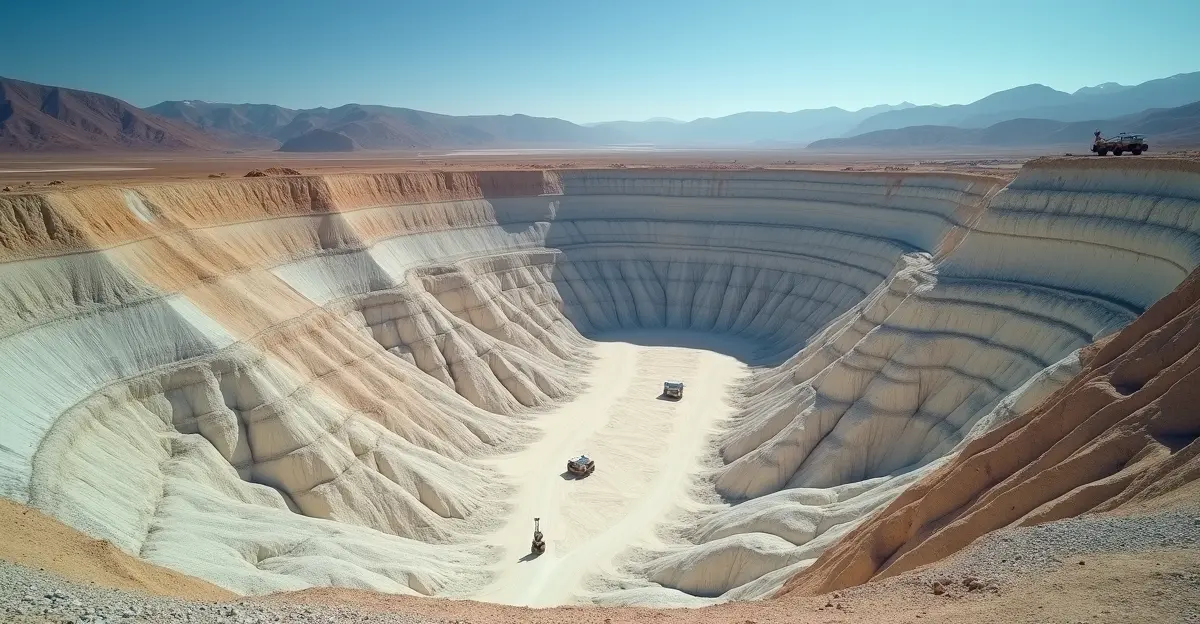
However, these diversification efforts face significant challenges. Building new mining and processing capacity takes 5-10 years, and the IEA estimates $800 billion in mining investments will be needed by 2040 to meet demand. Meanwhile, 2024 saw a 10% decline in exploration spending, creating a potential future supply gap.
Technological Innovations and Alternative Pathways
Emerging technologies offer potential pathways to reduce dependence on concentrated supply chains. The IEA report highlights that sodium-ion and lithium iron phosphate (LFP) batteries could reduce lithium demand by 20% and cobalt by 30% by 2035. Recycling also presents significant opportunities, with the potential to supply 10-15% of critical minerals by 2035 through circular economy approaches.
Research into alternative materials and more efficient use of existing resources is accelerating. Companies are developing biographite production from forestry waste and exploring photocatalytic graphitization methods to produce highly pure graphite from various carbon sources. These innovations could help diversify supply chains but require significant investment and time to scale.
Future Outlook and Policy Recommendations
The path forward requires coordinated international action and strategic investment. The IEA recommends several key policy measures: accelerating permitting for responsible mining projects, increasing investment in recycling infrastructure, supporting research into alternative materials, and establishing strategic stockpiles for the most vulnerable minerals. International cooperation through forums like the Minerals Security Partnership will be essential to build resilient, diversified supply chains.
As the world races to meet climate targets, the security of critical mineral supply chains will determine the pace and success of the energy transition. The concentration risks identified in the IEA's 2025 analysis serve as a wake-up call for governments, industries, and investors to prioritize supply chain resilience alongside clean energy deployment.
Frequently Asked Questions
What are the most critical minerals for the energy transition?
The most critical minerals include lithium, cobalt, nickel, graphite, copper, and rare earth elements. These are essential for batteries, electric motors, renewable energy infrastructure, and power transmission systems.
How concentrated are critical mineral supply chains?
Extremely concentrated. China processes 60-90% of lithium, cobalt, and rare earths, while the Democratic Republic of Congo supplies 70% of cobalt. Three countries dominate 75% of planned lithium, nickel, and cobalt projects and over 90% of battery-grade graphite projects.
What is the N-1 resilience analysis?
N-1 resilience analysis examines supply chain capacity when excluding the largest supplier. The IEA analysis shows that by 2035, excluding China would leave only 25-60% of global demand covered for essential minerals.
How are countries responding to supply chain vulnerabilities?
Countries are implementing strategies including domestic production incentives, international partnerships with allies (friend-shoring), recycling programs, and technological innovation to reduce dependence on concentrated supply chains.
Can technology reduce dependence on critical minerals?
Yes, emerging technologies like sodium-ion batteries, more efficient recycling, and material substitution could reduce demand for the most vulnerable minerals by 20-30% by 2035, according to IEA projections.
Follow Discussion