


 Deutsch
 English
 Español
 Français
 Nederlands
 Português


 Share
Share




Critical Minerals as the New Oil: How Geopolitics is Shaping the Global Energy Transition
Critical minerals like lithium, cobalt, and rare earth elements are rapidly emerging as the primary geopolitical battleground of the 21st century, fundamentally reshaping global power dynamics as nations accelerate their energy transitions. According to recent World Economic Forum reports and academic studies, these essential resources are replacing oil as the key strategic commodity, with supply chain vulnerabilities and strategic competition intensifying dramatically in 2024-2026. The International Energy Agency's Global Critical Minerals Outlook 2025 reveals that demand for minerals like lithium, cobalt, and nickel could triple by 2030 and quadruple by 2040, driven by the digital economy and clean energy technologies.
What Are Critical Minerals and Why Do They Matter?
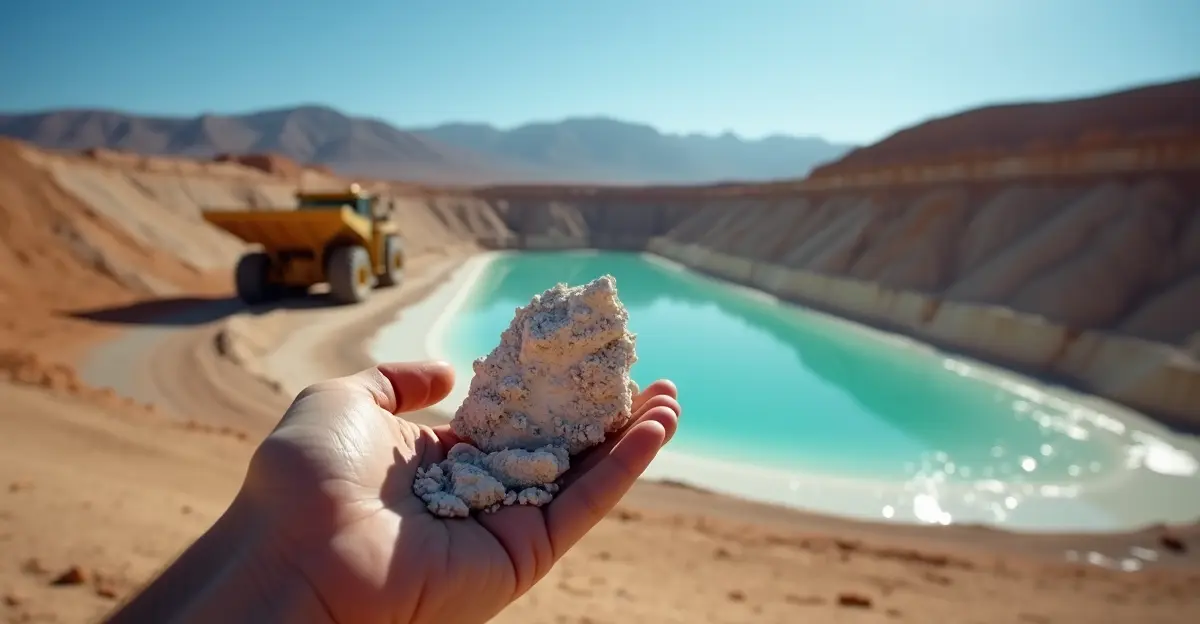
Critical minerals are materials of strategic or economic importance that are essential for modern technologies, particularly those driving the energy transition. Unlike traditional fossil fuels, these minerals are geographically concentrated in specific regions, creating new supply chain vulnerabilities that nations must navigate. Lithium, cobalt, and rare earth elements are particularly crucial for electric vehicle batteries, wind turbines, solar panels, and advanced defense systems. The United Nations reports that global trade in critical minerals reached approximately $2.5 trillion in 2023, representing over 10% of global trade, highlighting their growing economic significance.
The New Geopolitical Landscape: Supply Chain Concentration
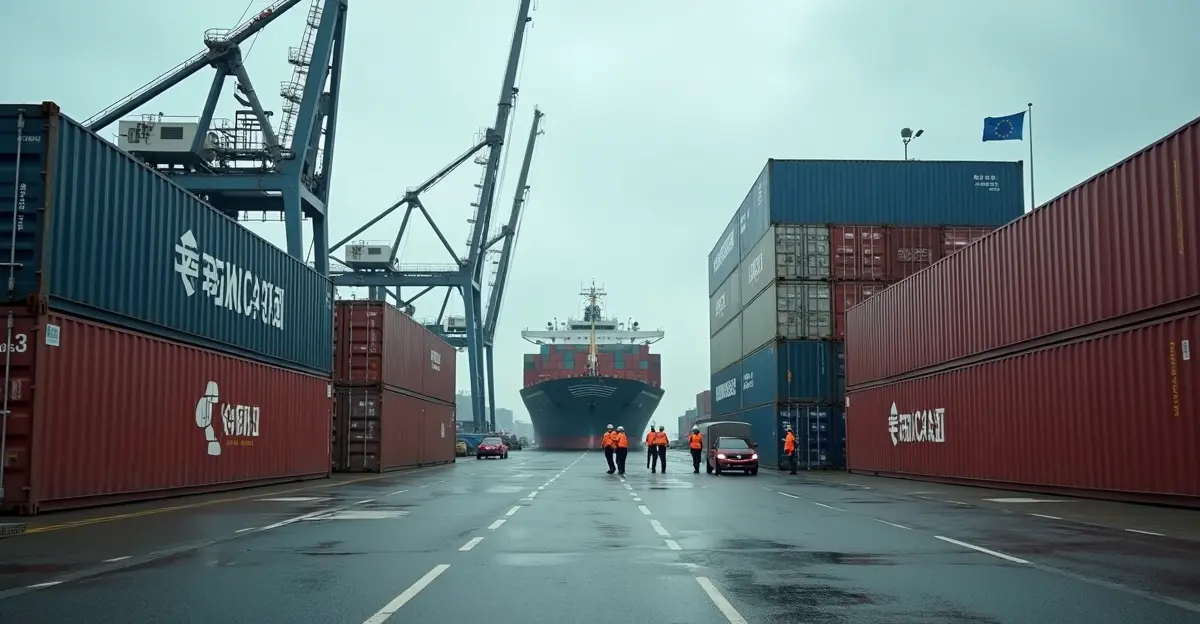
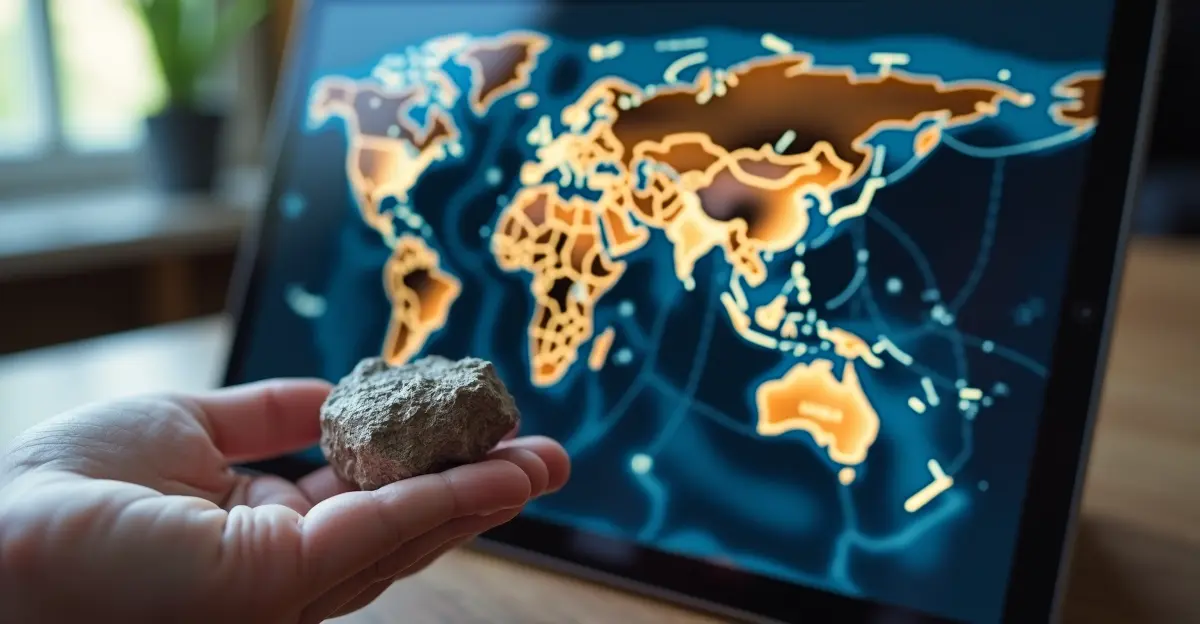
The geographical concentration of critical mineral production creates unprecedented geopolitical risks. China currently dominates the global supply chain, controlling approximately 90% of rare earth element processing and refining, while the Democratic Republic of Congo supplies about 70% of the world's cobalt. Australia produces 47% of global lithium, creating a complex web of dependencies that major powers are scrambling to address. This concentration mirrors historical oil geopolitics but with even greater strategic implications for national security and economic competitiveness.
China's Strategic Dominance and Export Controls
China has weaponized its dominant position in critical minerals through strategic export controls and trade restrictions. Following the escalation of trade tensions with the United States in 2025, China introduced further restrictions on rare earth exports, creating immediate supply chain disruptions for Western nations. This approach has forced other countries to accelerate their exploration and production efforts, with the United States and Australia now producing the second- and third-highest amounts of rare earth elements globally.
Western Response: Alliance Building and Diversification
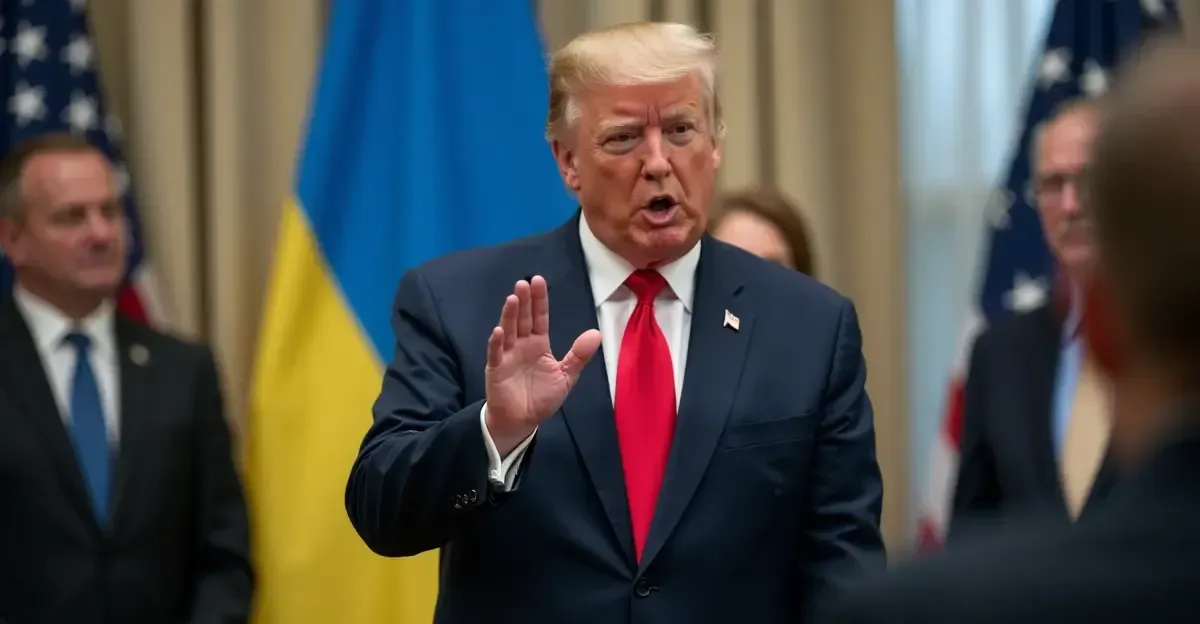
In response to China's dominance, Western nations are pursuing aggressive diversification strategies through international alliances and domestic production initiatives. The United States is working to create a critical minerals trading bloc with allies including Australia, Ukraine, Venezuela, and Congo, while simultaneously invoking the Defense Production Act to boost domestic mining and processing capabilities. The Atlantic Council's 2025 report on critical minerals supply chain vulnerabilities reveals that while the U.S. has emergency tools like strategic stockpiles, these would be depleted within weeks to months during a major disruption, highlighting the urgent need for sustained investment.
Resource Nationalism and Emerging Alliances
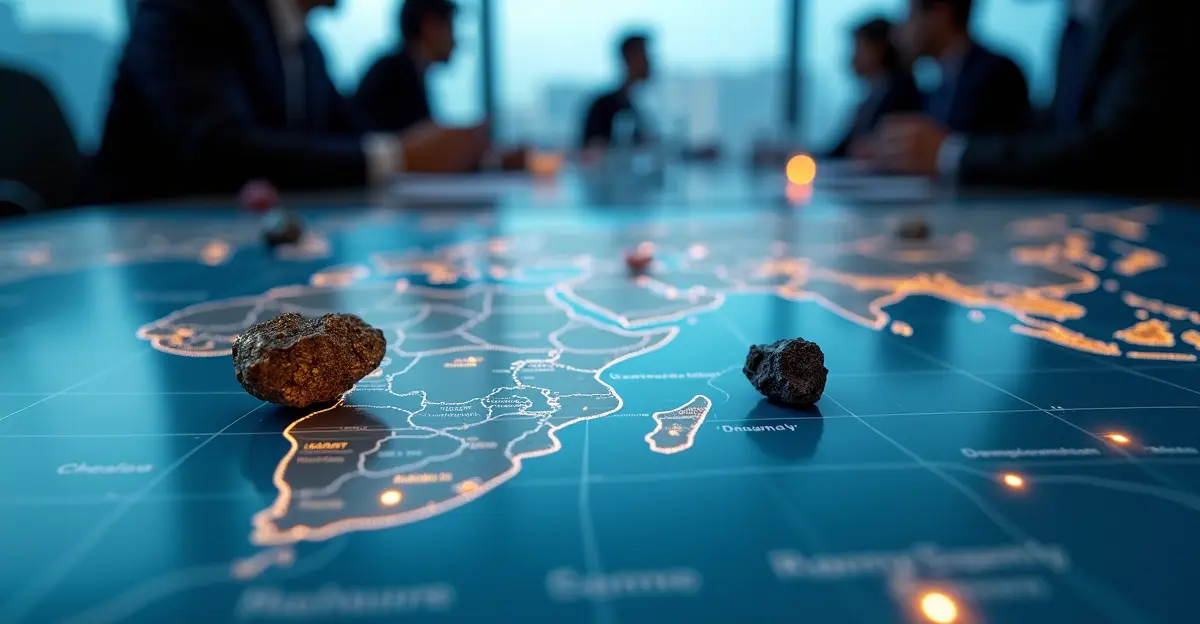
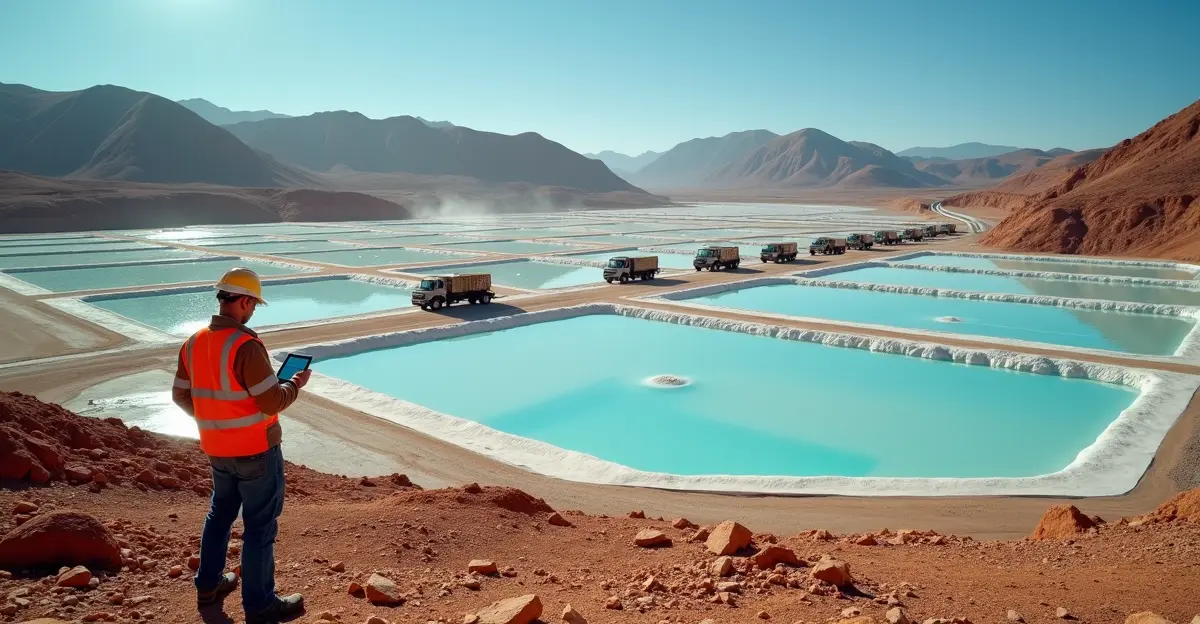
Resource-rich nations are increasingly leveraging their mineral wealth for geopolitical advantage, creating new patterns of alliance and competition. Countries like Chile, Argentina, and Bolivia in the 'Lithium Triangle' are forming regional partnerships to maximize their bargaining power, while African nations rich in cobalt and other minerals are negotiating more favorable terms with international partners. This trend toward resource nationalism represents a fundamental shift from the free-market approaches that characterized the oil era, with nations viewing critical minerals as strategic assets rather than mere commodities.
Security Implications and Defense Applications
The security implications of critical mineral dependencies extend far beyond economic concerns to encompass national defense capabilities. Rare earth elements are essential for advanced weapons systems, guidance systems, and communication technologies, making supply chain security a matter of military readiness. The U.S. Department of Defense has identified 35 critical minerals essential for national security, with particular concern about China's control over neodymium and dysprosium used in permanent magnets for missile guidance systems and fighter jets.
Environmental and Social Justice Considerations
The UN has called for fair play in the global race for critical minerals, emphasizing that the energy transition must be just and equitable. UN Secretary-General António Guterres launched the Panel on Critical Energy Transition Minerals in 2024 to ensure sustainable development that benefits resource-rich developing countries. The UN guidance focuses on three core principles: protecting human rights through due diligence and consent processes, ensuring environmental integrity with impact assessments and biodiversity protection, and promoting justice and equity through community participation and fair benefit-sharing.
Future Outlook: Navigating the New Geopolitical Reality
The geopolitical competition for critical minerals will likely intensify throughout the 2020s as nations race to secure supplies for their energy transitions. Key trends to watch include increased investment in recycling technologies, development of alternative materials, and the emergence of new mineral trading blocs that could reshape global trade patterns. The success of the global energy transition will depend not only on technological innovation but also on navigating these complex geopolitical dynamics, requiring unprecedented international cooperation and strategic foresight.
Frequently Asked Questions
What are the most critical minerals for the energy transition?
The most critical minerals include lithium for batteries, cobalt for battery cathodes, rare earth elements for permanent magnets in wind turbines and EVs, copper for electrical infrastructure, nickel for batteries, and graphite for battery anodes.
Which country controls the most critical mineral supply chains?
China currently dominates global critical mineral supply chains, controlling approximately 90% of rare earth element processing and refining, along with significant shares of lithium, cobalt, and graphite processing capacity.
How are Western countries responding to China's dominance?
Western countries are pursuing diversification through international alliances, domestic production incentives, recycling initiatives, and research into alternative materials to reduce dependence on Chinese-controlled supply chains.
What are the environmental impacts of critical mineral mining?
Critical mineral mining can have significant environmental impacts including water pollution, habitat destruction, and greenhouse gas emissions, though these must be balanced against the environmental benefits of clean energy technologies.
Can recycling solve critical mineral supply challenges?
While recycling will play an increasingly important role, current recycling rates for many critical minerals remain low, and scaling up recycling infrastructure will take years, making it a complementary rather than complete solution.
Follow Discussion