


 Deutsch
 English
 Español
 Français
 Nederlands
 Português


 Share
Share




Critical Minerals as the New Oil: How Energy Transition is Redefining Global Geopolitics
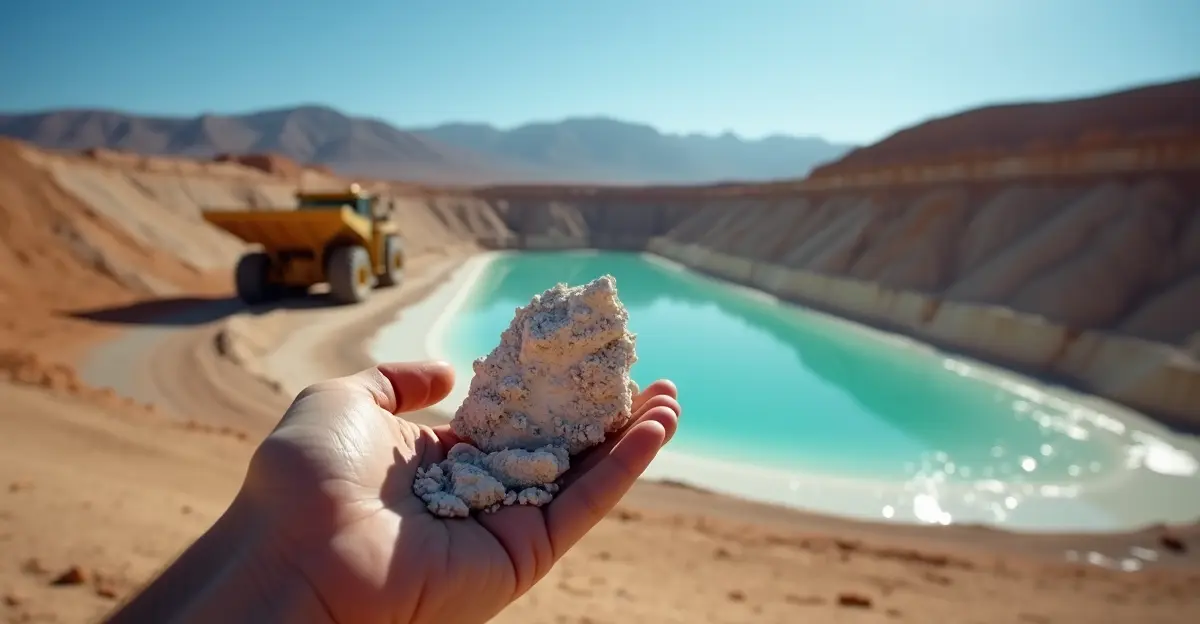
Critical minerals like lithium, cobalt, rare earth elements, and copper are rapidly becoming the strategic resource battleground of the 21st century, fundamentally reshaping global power dynamics as nations transition from fossil fuels to clean energy technologies. According to recent World Economic Forum analysis, these essential materials are poised to replace oil as the central focus of geopolitical competition, with China controlling 80-90% of rare earth processing capacity and emerging supply chain vulnerabilities threatening global energy security. This shift represents one of the most significant geopolitical transformations since the oil crises of the 1970s, with profound implications for renewable energy deployment, electric vehicle adoption, and national security frameworks worldwide.
What Are Critical Minerals and Why Do They Matter?
Critical minerals, also known as critical raw materials (CRMs), are natural resources designated by governments as essential for their economies and strategic industries. Unlike traditional commodities, these materials face supply risks due to geographic concentration, geopolitical tensions, or limited substitution options. The International Energy Agency forecasts demand for these minerals will need to triple by 2030 and quadruple by 2040 to achieve net-zero emissions, creating unprecedented pressure on global supply chains. Lithium, cobalt, and rare earth elements are particularly crucial for electric vehicle batteries, wind turbines, solar panels, and advanced military technologies, making them the foundation of modern technological progress.
China's Processing Dominance and Global Vulnerabilities
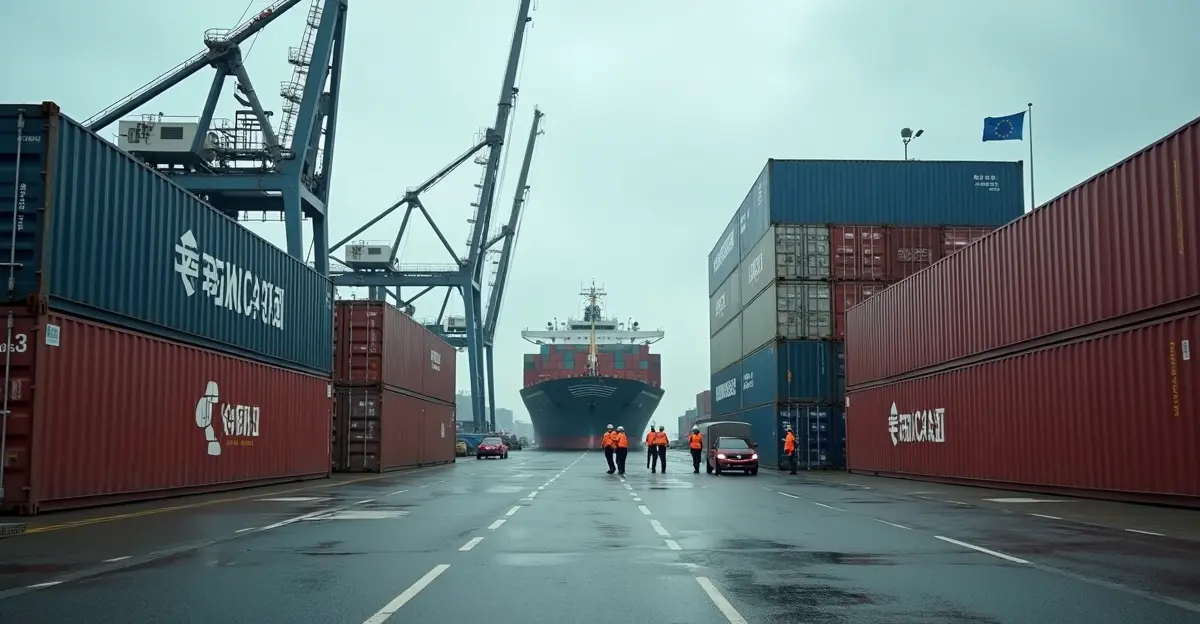
China's strategic positioning in critical mineral supply chains represents one of the most significant geopolitical developments of our time. The country controls approximately 70% of rare-earth output and 80-90% of processing capacity, creating dependencies that extend across multiple industries and national security sectors. According to the Council on Foreign Relations, China's near-total control over critical minerals and willingness to weaponize this dominance poses significant risks to Western industries and defense capabilities. This concentration has intensified geopolitical rivalries, with the EU importing 100% of its heavy rare-earth elements from China and 97% of its magnesium supply from the same source.
Strategic Responses: EU's Critical Raw Materials Act
The European Union has responded to these vulnerabilities with the Critical Raw Materials Act, which establishes ambitious 2030 benchmarks: 10% domestic extraction, 40% processing, and 25% recycling of EU's strategic raw material needs, with no more than 65% from any single third country. The RESourceEU Action Plan, adopted in December 2025, represents a significant policy shift toward a more interventionist approach, mobilizing €3 billion in EU funds within 12 months to accelerate priority CRM projects. 'The green energy transition is shifting global leadership from the West to Asia, particularly China,' notes a World Financial Review analysis, highlighting how these materials have become both a foundation for technological progress and a source of global tension.
Geopolitical Implications and Power Dynamics
The strategic importance of critical minerals extends far beyond environmental benefits to industrial competitiveness and national security concerns. On March 5, 2026, the UN Security Council held a briefing on 'Energy, critical minerals, and security' that explored how competition over natural resources drives global conflict and threatens international peace. The United States has prioritized secure critical mineral supply chains as a national security matter, including initiatives like 'Project Vault' (Strategic Critical Minerals Reserve) and executive orders to reduce foreign dependence. This new resource competition is reshaping global trade relationships and creating novel alliances between resource-rich developing nations and major industrial powers.
Supply Chain Vulnerabilities and Strategic Stockpiling
Current supply chain vulnerabilities are particularly acute for several key minerals:
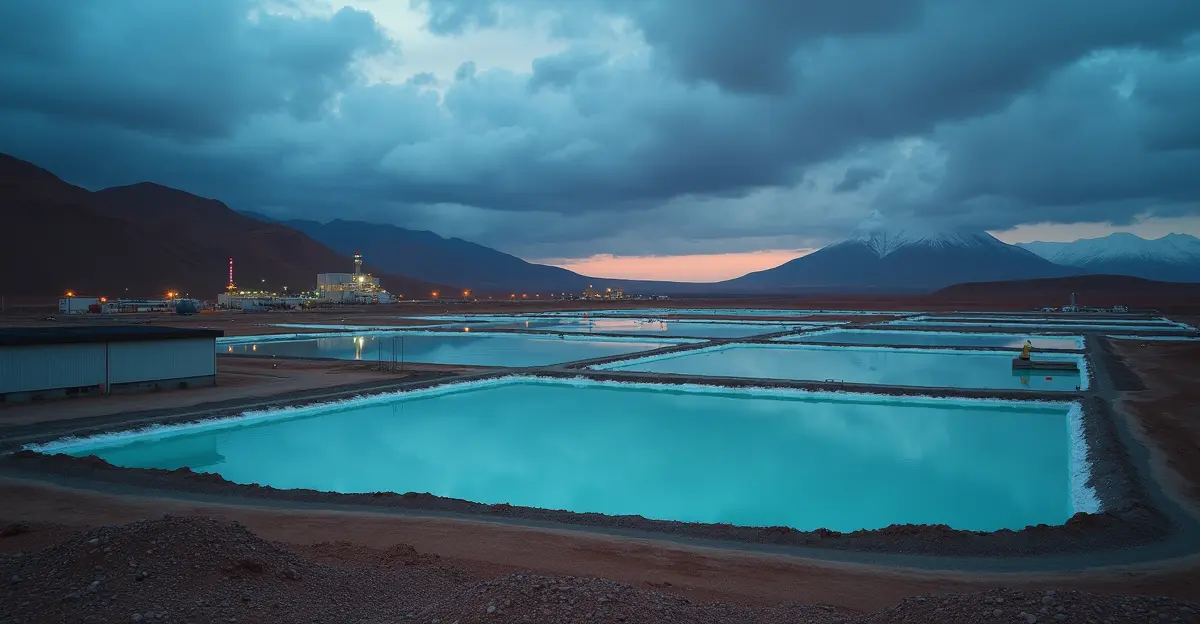
- Lithium: Demand grew nearly 30% in 2024 alone, with production concentrated in Australia, Chile, and China
- Cobalt: Democratic Republic of Congo supplies 70% globally, creating conflict risks and ethical sourcing challenges
- Rare Earth Elements: China controls 95% of gallium production and 44% of global copper refining
- Copper: Essential for all electrical infrastructure, with demand projected to double by 2040
These concentrations have prompted nations to develop strategic stockpiling programs and diversify sourcing through international partnerships with countries like Brazil, Canada, and Australia.
Impact on Renewable Energy and Electric Vehicle Adoption
The critical minerals race directly impacts the pace and scale of global decarbonization efforts. Without secure access to these materials, nations' ability to deploy renewable energy infrastructure and transition to electric transportation faces significant constraints. The Securing Minerals for the Energy Transition (SMET) initiative, a collaboration between the World Economic Forum and McKinsey, has identified 10 high-priority risk management strategies to address these shortages. Recycling will be crucial but current infrastructure lags behind demand, with only minimal recovery rates for many critical minerals from end-of-life products.
Expert Perspectives and Future Outlook
Industry analysts warn that treating China as the central risk rather than pursuing inclusive cooperation may lead to fragmented supply chains and higher vulnerabilities. According to East Asia Forum analysis, China's critical mineral strategy is more nuanced than geopolitical narratives suggest, balancing supply security with environmental reform and technological advancement. The country's National Plan for Mineral Resources (2016-2020) identified 24 strategic minerals with both inward-oriented policies for efficiency and outward-oriented measures promoting international cooperation.
The future of critical mineral geopolitics will likely involve:
- Increased investment in domestic mining and processing capabilities in Western nations
- Enhanced recycling technologies and circular economy approaches
- Strategic partnerships between resource-rich and technology-advanced countries
- New trade agreements specifically addressing mineral security
- Innovation in materials science to reduce dependence on scarce minerals
Frequently Asked Questions
What are critical minerals and why are they important?
Critical minerals are natural resources essential for modern technologies, renewable energy systems, and national security. They include lithium, cobalt, rare earth elements, and copper, which are crucial for electric vehicles, wind turbines, solar panels, and advanced electronics.
How does China dominate critical mineral supply chains?
China controls approximately 70% of rare-earth output and 80-90% of processing capacity, creating significant dependencies for other nations. The country has strategically developed its mineral processing capabilities over decades, positioning itself as the central player in global supply chains.
What is the EU Critical Raw Materials Act?
The European Critical Raw Materials Act establishes 2030 targets for domestic extraction (10%), processing (40%), and recycling (25%) of strategic raw materials, with limits on dependence from any single third country (maximum 65%). The RESourceEU Action Plan adds €3 billion in funding and new emergency powers.
How do critical minerals affect national security?
Critical minerals are essential for advanced military technologies, communications systems, and energy infrastructure. Supply disruptions could compromise defense capabilities and economic stability, making mineral security a national security priority for many governments.
What solutions exist for supply chain diversification?
Solutions include domestic mining development, international partnerships with resource-rich countries, enhanced recycling programs, materials innovation to reduce mineral requirements, and strategic stockpiling of essential materials.
Follow Discussion