


 English
 Nederlands
 Deutsch
 Français
 Español
 Português

Daily News Summary – 2026-06-04 – en

Today's news covers a wide array of global developments, from the escalating critical minerals race and the Strait of Hormuz energy crisis to major shifts in US-China AI chip policy and European geopolitical realignments. The Federal Reserve holds rates steady amid stagflation fears, while BRICS nations accelerate de-dollarization with new payment infrastructure. Hungary lifts its veto on Ukraine's EU accession, and Greece is removed from EU macroeconomic surveillance. In technology, China's interest-bearing digital yuan and the US-China chip war dominate. A Boeing 787 nose gear collapse at Frankfurt and Secretary Rubio's controversial remarks on Greenland add to the day's notable events.
Top Stories
Hungary Ends Two-Year Blockade on Ukraine's EU Path

Hungary officially lifted its veto on Ukraine's EU accession negotiations after reaching a deal on minority rights for the ethnic Hungarian community in Transcarpathia. The breakthrough ends a two-year deadlock and allows accession talks for both Ukraine and Moldova to move forward.
Trump says Vance-Rubio ticket would be 'unbeatable' in 2028

President Trump declared that Vice President JD Vance and Secretary of State Marco Rubio would form an 'unbeatable' Republican ticket for the 2028 election. The endorsement intensifies speculation about the Republican succession plan.
Fed Expected to Hold Rates Steady Amid Stagflation Fears
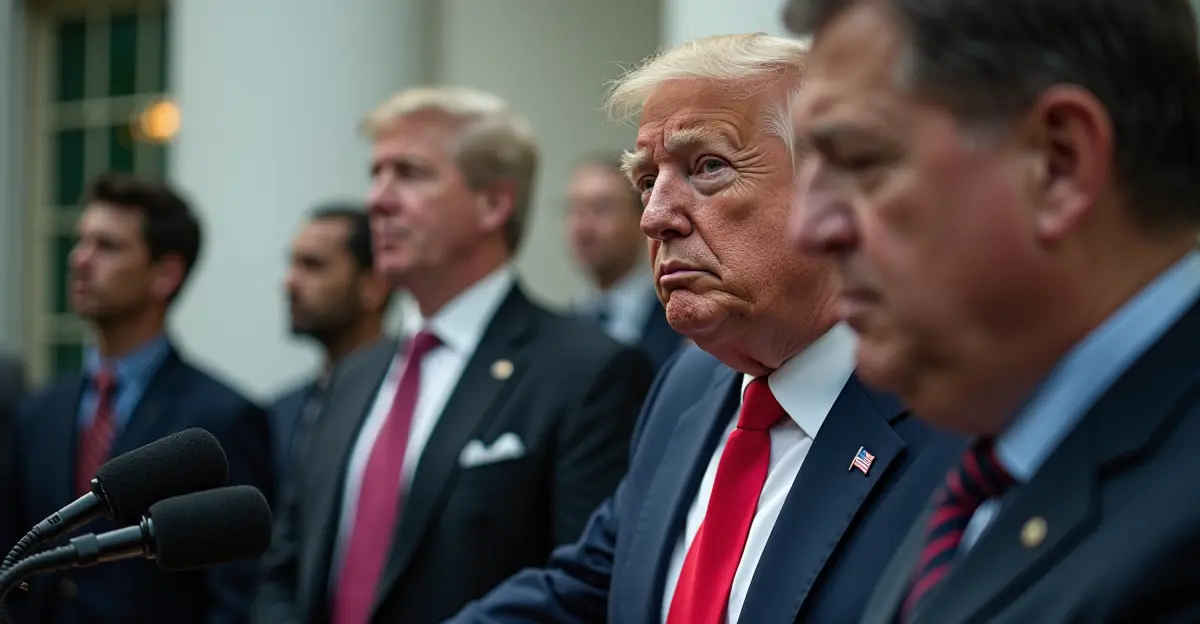
The Federal Reserve is widely expected to keep interest rates unchanged at its June 2025 meeting, disappointing President Trump. The Beige Book shows moderate growth but rising consumer strain and income inequality.
North Korea's Leader Orders Massive Nuclear Arsenal Expansion
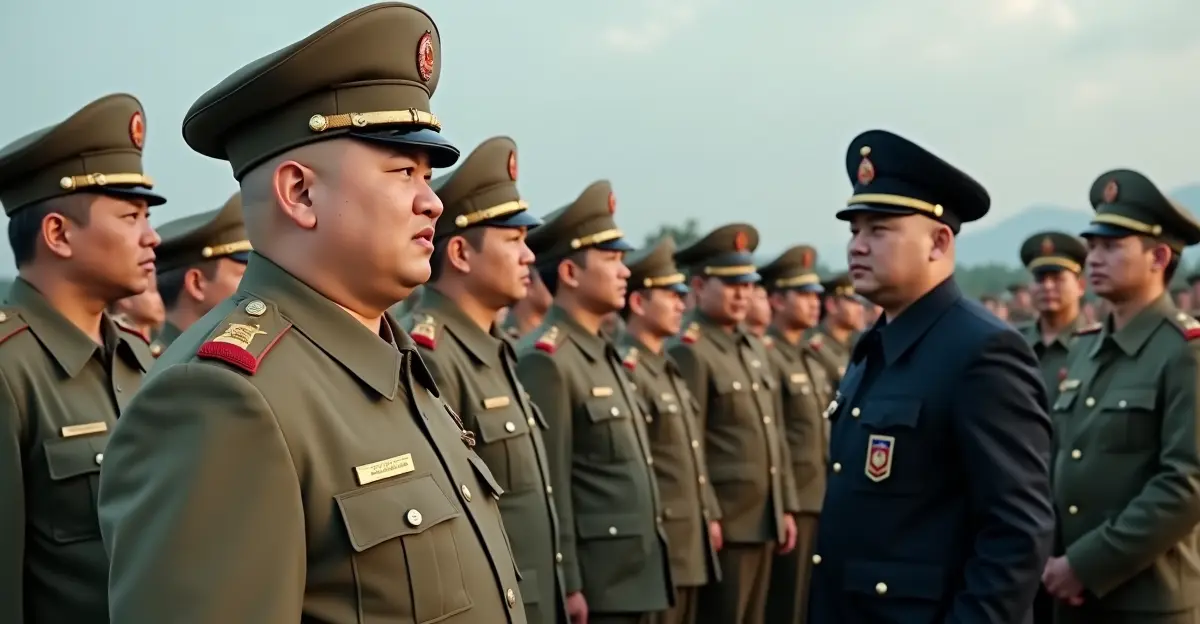
Kim Jong-un called for an 'exponential' increase in North Korea's nuclear weapons production during a visit to a new uranium enrichment facility. The announcement signals a major escalation and rejection of denuclearization talks.
Lufthansa Boeing 787-9 Dreamliner suffers nose gear collapse at Frankfurt Airport
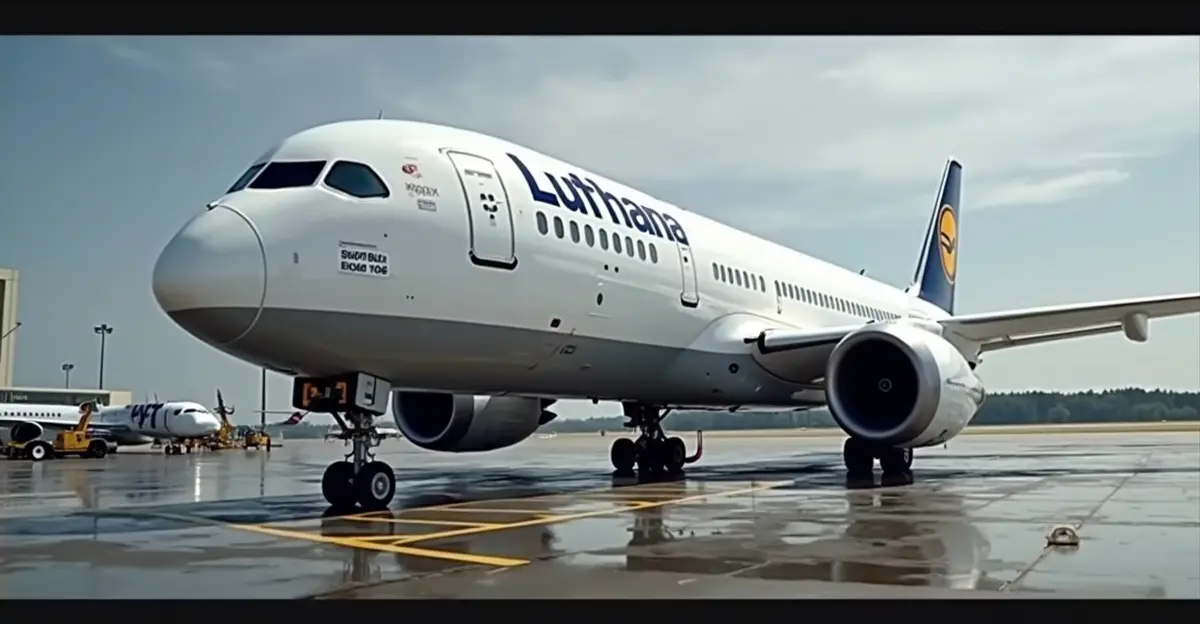
A nearly new Lufthansa Boeing 787-9 suffered a nose gear collapse at Frankfurt Airport while preparing for a flight to Los Angeles. Several ground staff were injured, and the aircraft was withdrawn from service for investigation.
Also Notable
Greece Officially Removed from EU Macroeconomic Imbalances List

The European Commission removed Greece from its macroeconomic imbalances list, ending 16 years of heightened surveillance. Despite positive economic indicators, ordinary Greeks face a severe cost-of-living crisis.
Rubio Stirs Controversy With 'For Now' Remark on Greenland's Status

US Secretary of State Marco Rubio said Greenland is part of Denmark 'for now,' reigniting debate over Washington's Arctic ambitions. The comment drew backlash from Greenlandic and Danish leaders who oppose any transfer of sovereignty.
Global competition for critical minerals escalates into defining geopolitical struggle

The global race for lithium, cobalt, rare earths, and copper has become a defining geopolitical struggle in 2026, with China controlling 70% of rare-earth processing. The US, EU, and Gulf states are scrambling to diversify supply chains.
Europe's Critical Minerals Dilemma: Why the ReSourceEU Plan May Fall Short
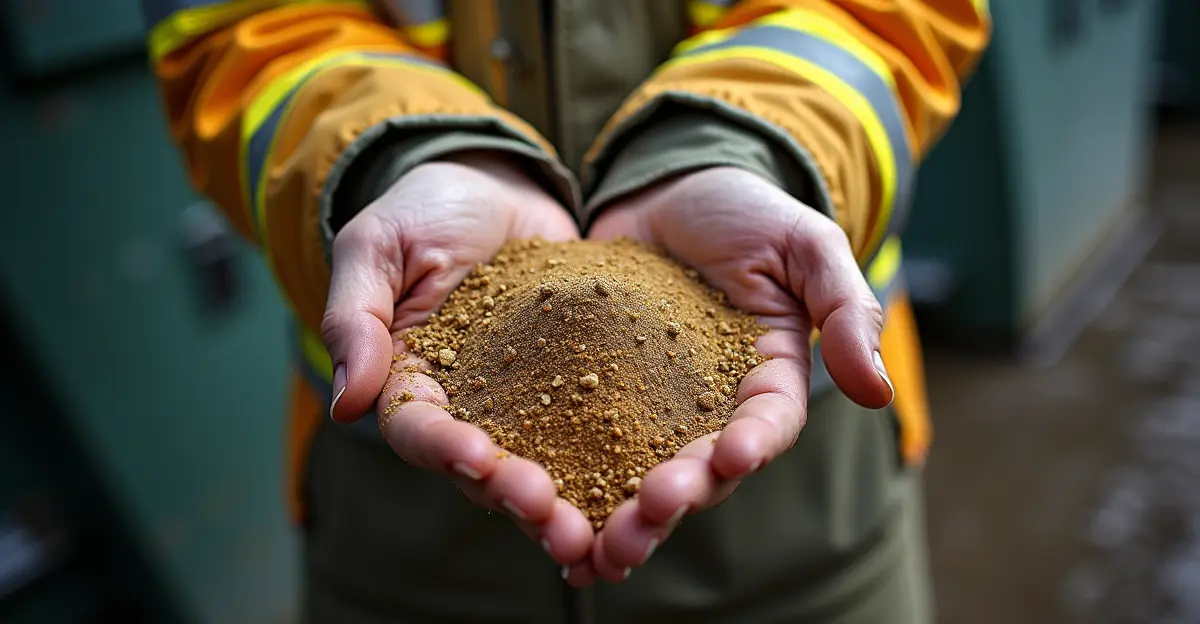
The EU's ReSourceEU Action Plan commits €3 billion for critical raw materials, but faces a severe financing gap compared to the €100 billion needed. China's dominance and Gulf sovereign wealth funds outpace European efforts.
Global copper market enters structural deficit in 2026 as demand surges

The copper market faces a structural deficit driven by simultaneous demand from electrification, AI data centers, EVs, and defense electronics. Supply constraints and declining ore grades exacerbate the shortage.
Washington authorizes NVIDIA H200 GPU sales to China in policy reversal

The US approved limited sales of NVIDIA's H200 GPUs to China under a 25% revenue-sharing mechanism, ending a 10-month freeze. China accelerates domestic AI chip production in response.
Strait of Hormuz closure triggers largest oil supply disruption in history
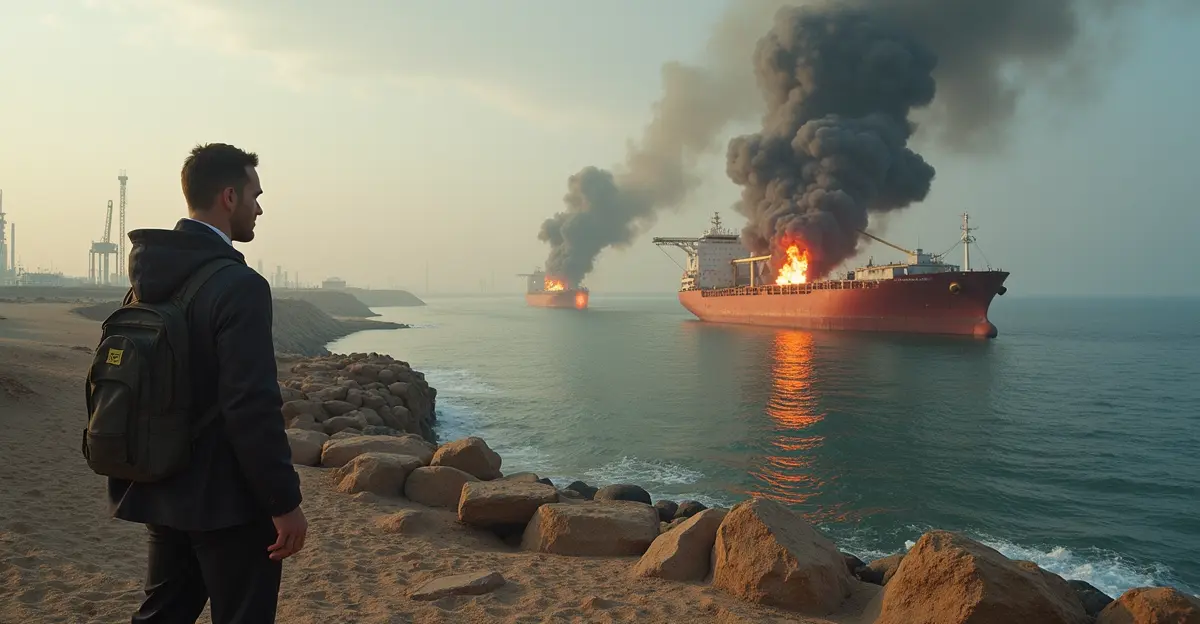
The effective closure of the Strait of Hormuz since February has cut 20% of global oil and LNG flows, sending Brent crude above $126. The crisis is restructuring global energy supply chains and pushing the EU into stagflation.
De-Dollarization: US Dollar's Reserve Share Falls to 30-Year Low

The US dollar's share of global reserves dropped below 57% in Q1 2026, its lowest in three decades. BRICS local currency settlements reached 67%, and new infrastructure like BRICS Pay and 'The Unit' is challenging dollar hegemony.
China launches world's first interest-bearing digital yuan CBDC

China's upgraded e-CNY now allows interest on holdings and negative rates, transforming monetary policy tools. The move pressures the Fed and ECB to accelerate digital currency plans and expands cross-border use via Project mBridge.
BRICS advances CBDC bridge to bypass SWIFT ahead of 2026 summit

India's RBI proposed linking BRICS central bank digital currencies to enable direct settlements without SWIFT. The initiative aims to reduce dollar dependence but faces technical and governance challenges.
US-China AI chip war enters new phase with tightened export controls

The BIS final rule in January 2026 tightened export controls on AI chips to China, introducing case-by-case review and a 25% tariff. China retaliated with rare earth export controls, fragmenting global semiconductor supply chains.
BRICS+ accelerates de-dollarization with local currency settlements and gold-backed token

BRICS+ intra-bloc local currency settlements surged past 67% in 2026, with the launch of BRICS Pay and 'The Unit.' Central bank gold purchases reached record levels, signaling a structural shift toward multipolar finance.
China's rare earth export controls redraw global supply chains
China's strict 2026 export controls on rare earths and critical minerals have caused price spikes of up to sixfold, threatening Western defense and EV supply chains. The US launched FORGE and Project Vault to build alternative capacity.
IEA report reveals energy R&D now driven by national security and competitiveness

The IEA's State of Energy Innovation 2026 report finds that energy research is now primarily motivated by security and industrial competitiveness. Chinese firms account for 60% of global corporate energy R&D, while Western public spending remains inadequate.
 Share this article



