


 Deutsch
 English
 Español
 Français
 Nederlands
 Português


 Share
Share




The Critical Minerals Chessboard: How Rare Earth Dependencies Are Reshaping Global Power Dynamics
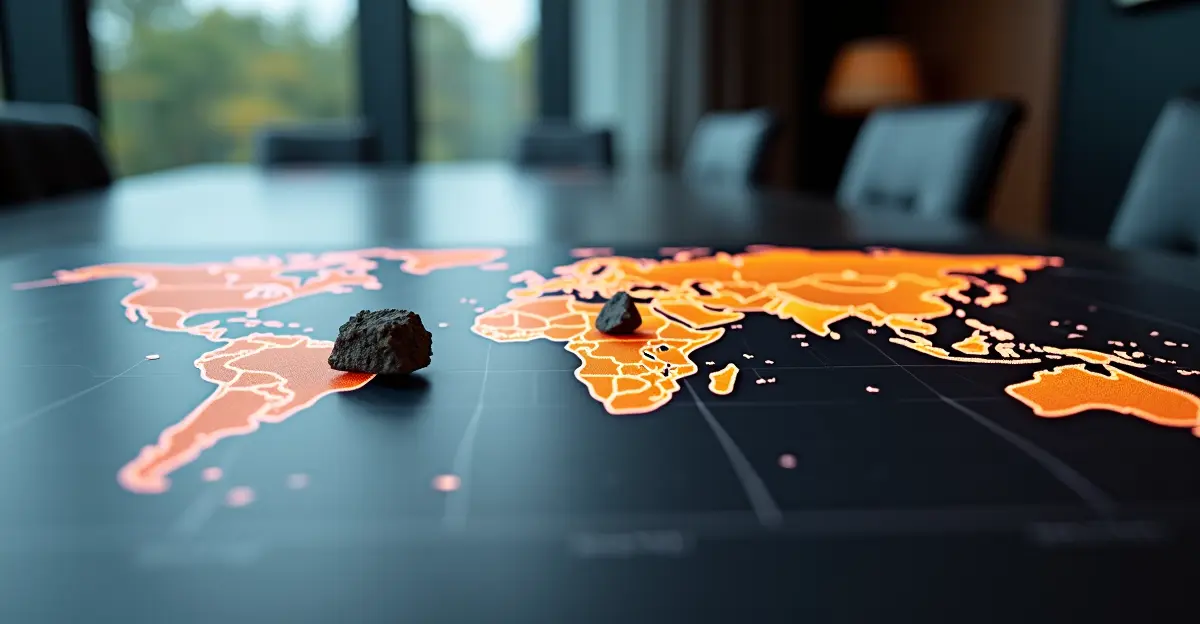
China's near-total dominance in rare earth elements and critical minerals processing—controlling approximately 70% of global output and 80-90% of processing capacity—is creating unprecedented strategic vulnerabilities for Western economies during the global energy transition. This concentration of supply chain power is fueling geopolitical rivalries, prompting major policy responses like the EU's Critical Raw Materials Act, and creating new systemic dependencies that could reproduce historical inequalities in the global economy. The IEA Global Critical Minerals Outlook 2025 report highlights how control over these essential materials has become a primary factor in international power dynamics, with profound implications for renewable energy technologies, electric vehicles, batteries, and advanced military systems.
What Are Critical Minerals and Why Do They Matter?
Critical minerals encompass a range of essential materials including rare earth elements, lithium, cobalt, nickel, and copper that are indispensable for modern technologies. Rare earth elements specifically include 17 metals—15 lanthanides plus scandium and yttrium—that possess unique magnetic, luminescent, and electrochemical properties. These minerals are not actually 'rare' in geological terms but are challenging to extract and process economically. According to the World Resources Institute, these materials are fundamental to electric vehicle motors, wind turbine generators, solar panels, semiconductors, and advanced defense systems including missile guidance and fighter jet avionics.
China's Strategic Dominance: A 30-Year Head Start
China's control over critical mineral supply chains represents one of the most significant geopolitical developments of the 21st century. While China accounts for roughly 70% of global rare earth production, its true power lies in processing capacity, where it controls close to 90% of global refining. This dominance didn't happen overnight—it resulted from three decades of strategic government investment, industrial policy, and technological development under successive Five-Year Plans. 'China is the leader, and the U.S. is far behind,' states veteran mining executive Mick McMullen, highlighting the scale of the challenge facing Western nations.
The Processing Monopoly: Where Real Power Resides
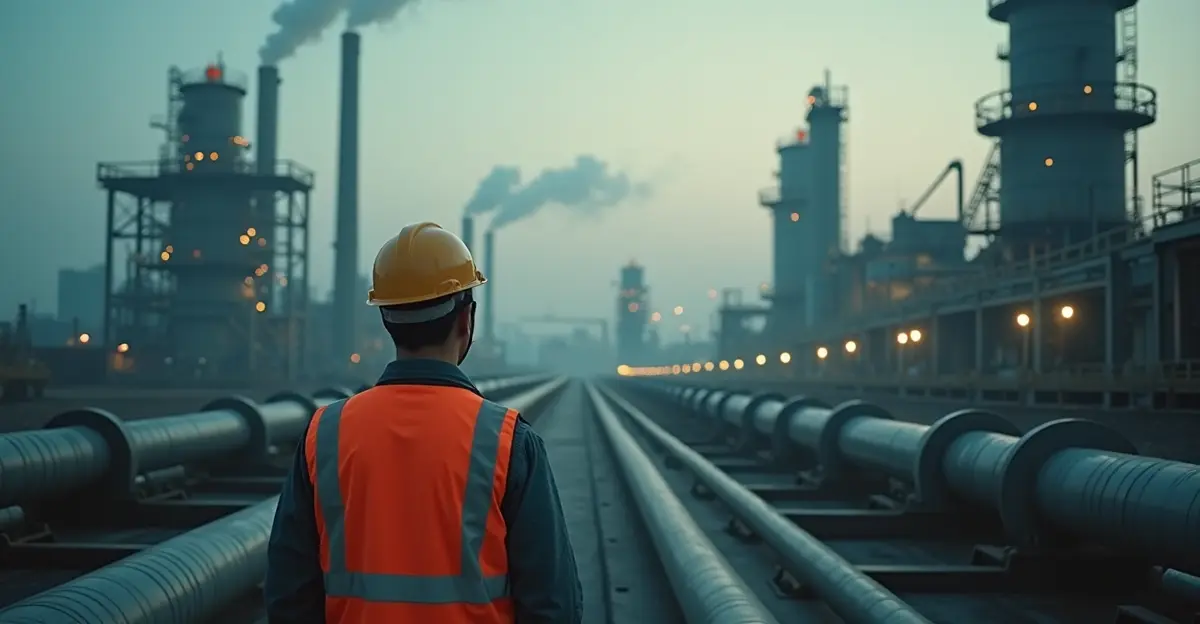
The critical bottleneck in rare earth supply chains isn't mining but processing—the complex chemical separation and purification stages that transform raw minerals into usable materials. China controls over 90% of global rare earth refining capacity, particularly for heavy rare earths like dysprosium and terbium essential for high-performance magnets in EV motors and military applications. This processing monopoly gives Beijing significant geopolitical leverage, as demonstrated when China halted rare earth exports to Japan in 2010 during territorial disputes and imposed export controls in 2025 on key automotive elements.
Geopolitical Responses: The West Scrambles to Catch Up
Western nations are implementing comprehensive strategies to reduce dependence on Chinese critical minerals. The European Union's Critical Raw Materials Act (CRMA), adopted in 2025, represents a major strategic shift with ambitious 2030 targets: 10% domestic production of strategic raw materials, 40% processing within Europe, and 25% supply from recycling. The legislation also limits dependence on single external suppliers to 65% for any critical mineral. Meanwhile, the United States is pursuing partnerships with Australia, Canada, and Southeast Asian nations through initiatives like the Minerals Security Partnership, while investing in domestic processing capabilities through the Inflation Reduction Act.
The EU's RESourceEU Action Plan
In December 2025, the European Commission adopted the 'RESourceEU' Action Plan, allocating €3 billion in funding to accelerate critical minerals projects and provide alternative short-term supplies. Key measures include establishing a European Critical Raw Materials Centre in early 2026 for market intelligence and project financing, developing coordinated stockpiling strategies, and removing regulatory bottlenecks. The initiative also focuses on protecting the EU single market through monitoring and defense against hostile interference, while pursuing partnerships with like-minded countries such as Brazil and Canada to diversify supply chains.
Strategic Implications for Energy and Defense
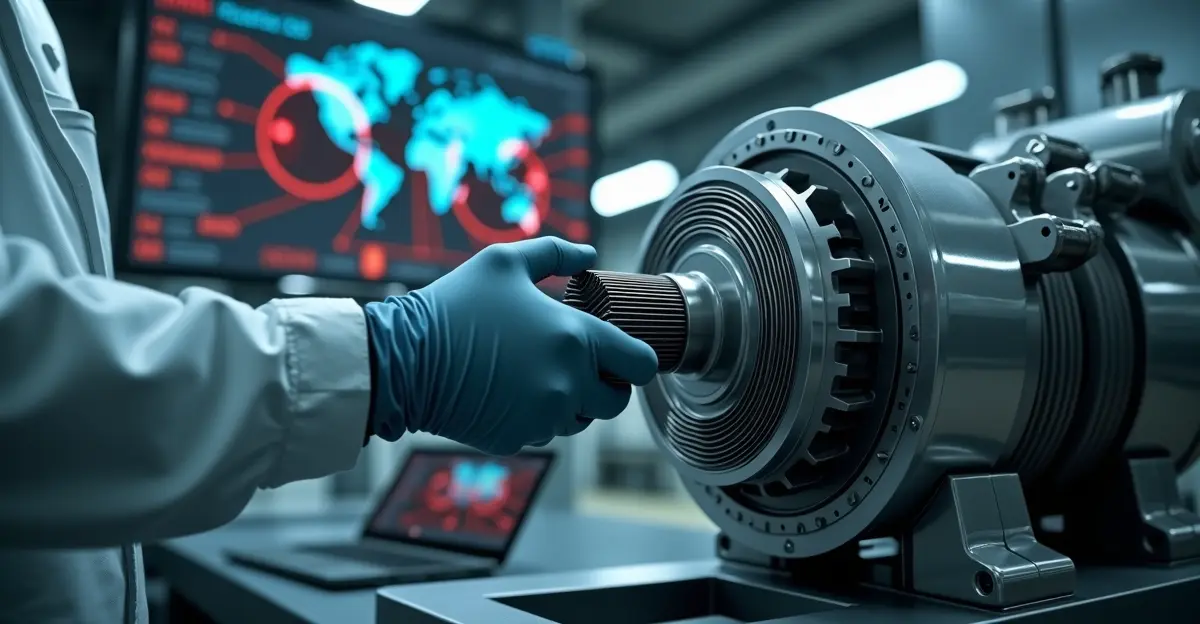
The concentration of critical mineral supply chains has profound implications across multiple sectors. For renewable energy, China's control over rare earths threatens the global expansion of wind power, as permanent magnet generators require neodymium and dysprosium. In electric vehicles, the automotive industry faces vulnerabilities, with China accounting for over 60% of global rare earth minerals production and nearly 90% of processing capacity for EV traction motor components. Defense systems present perhaps the most critical vulnerability, with rare earth elements essential for F-35 avionics, missile guidance systems, and advanced radar technologies.
Military Vulnerabilities and Strategic Concerns
A comprehensive 2026 review published in Energy Storage Materials reveals that less than 5% of rare earths are recycled despite 90%+ recovery potential, creating unnecessary dependence on Chinese supplies for defense applications. The study calls for urgent investment in Western midstream processing, green metallurgy, AI-enabled separation, and circular recycling loops to break China's strategic grip. Defense analysts warn that control over these materials represents a potential chokepoint that could be exploited during geopolitical tensions, similar to historical oil embargoes but with potentially more severe consequences for advanced military capabilities.
Systemic Dependencies and Global Inequality Risks
The current critical minerals landscape risks reproducing historical patterns of global inequality, where resource-rich but economically developing nations remain trapped in raw material extraction while advanced economies capture value through processing and manufacturing. The Council on Foreign Relations recommends an innovation-focused strategy that leverages U.S. strengths in materials science rather than attempting to out-mine or out-process China. Key recommendations include prioritizing disruptive innovation across materials engineering, waste-based recovery from mine tailings and industrial waste, and recycling of end-of-life products to transform environmental liabilities into resilient supply chains.
Expert Perspectives and Future Outlook
Jennifer Layke, Global Energy Director at the World Resources Institute, emphasizes that 'without adequate and diverse mineral supplies, the clean energy transition risks slowing down.' However, she stresses the need for responsible mining that respects land rights, improves worker safety, and reduces environmental impacts. Experts warn that despite significant investments, it could take a decade for Western nations to build competitive rare earth industries due to China's specialized technology and decades of accumulated expertise. The emerging consensus suggests that a multi-pronged approach—combining domestic production, international partnerships, technological innovation, and circular economy principles—offers the most viable path forward.
Frequently Asked Questions
What percentage of rare earth processing does China control?
China controls approximately 90% of global rare earth processing capacity, giving it near-total dominance over the refinement and purification of these critical materials essential for modern technologies.
What is the EU Critical Raw Materials Act?
The EU Critical Raw Materials Act, adopted in 2025, sets ambitious 2030 targets including 10% domestic production, 40% processing within Europe, and 25% recycling for strategic raw materials, while limiting dependence on single external suppliers to 65%.
Why are rare earth elements critical for military applications?
Rare earth elements are essential for advanced military systems including F-35 fighter jet avionics, missile guidance systems, radar technologies, and communications equipment due to their unique magnetic and luminescent properties.
How long will it take Western nations to reduce dependence on Chinese rare earths?
Experts estimate it could take a decade or more for Western nations to build competitive rare earth processing industries due to China's 30-year head start in specialized technology and government-backed investment.
What alternatives exist to reduce critical mineral dependencies?
Alternatives include recycling from end-of-life products (currently less than 5% for rare earths), waste stream recovery, material substitution research, and developing magnet-free motor technologies for electric vehicles.
Conclusion: Navigating the New Geopolitical Landscape
The critical minerals chessboard represents one of the defining geopolitical challenges of the energy transition era. As nations accelerate their shift toward clean energy and digital economies, control over these essential materials has become a primary factor in international power dynamics. The strategic vulnerabilities created by China's processing monopoly demand coordinated, innovative responses that balance supply security with environmental and social responsibility. The coming decade will test whether the international community can build more resilient, diversified, and equitable critical mineral supply chains or whether historical patterns of dependency and inequality will be reproduced in the green economy. The stakes extend far beyond industrial policy to encompass national security, economic competitiveness, and the very success of the global energy transition.


Follow Discussion