


 Deutsch
 English
 Español
 Français
 Nederlands
 Português


 Share
Share




The Critical Minerals Bottleneck: How Geopolitical Supply Chain Vulnerabilities Threaten Global Energy Transition
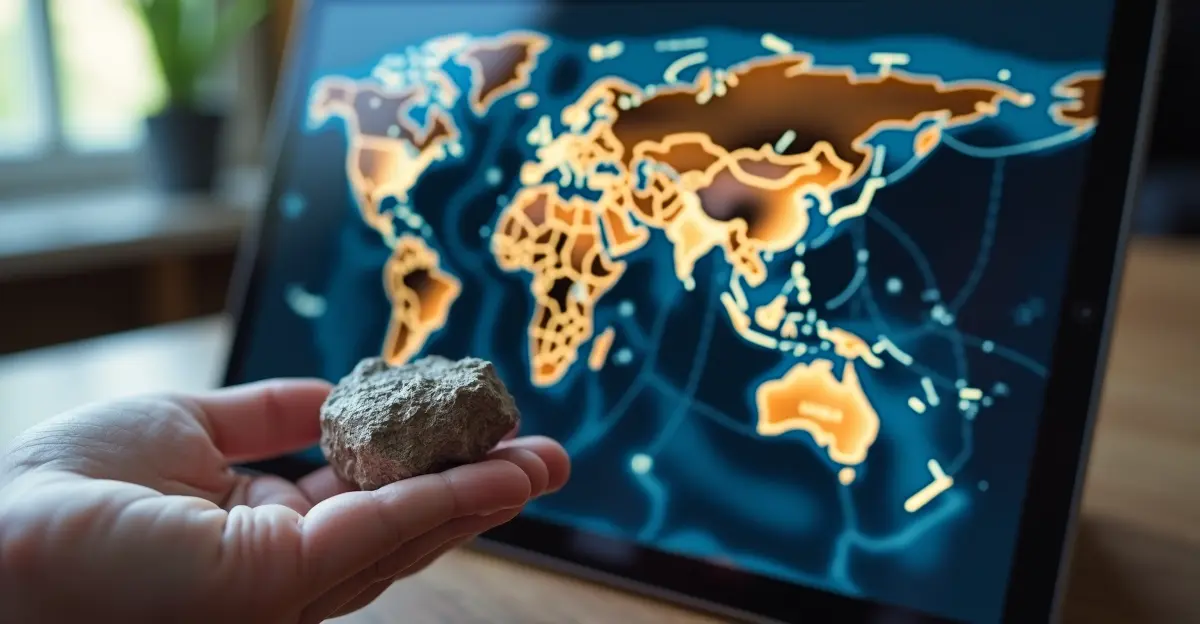
The global clean energy transition faces a formidable obstacle: dangerously concentrated supply chains for critical minerals essential to electric vehicles, renewable energy infrastructure, and advanced technologies. According to the International Energy Agency's 2025 Global Critical Minerals Outlook, demand for these strategic materials is projected to double by 2030 while production remains concentrated in just a handful of countries, creating systemic risks that could derail climate goals and national security objectives. With China refining 70% of 19 out of 20 strategic minerals and controlling 94% of rare earth permanent magnet production, Western nations are scrambling to diversify supply chains through strategic partnerships, domestic production, and recycling infrastructure.
What Are Critical Minerals and Why Do They Matter?
Critical minerals, also known as critical raw materials (CRMs), are designated by governments as essential for their economies and strategic industries where supply interruption risks exist. These include lithium for batteries, cobalt for electric vehicles, rare earth elements for wind turbines and defense systems, copper for electrical grids, and nickel for stainless steel and battery cathodes. The European Union Critical Raw Materials Act identifies 34 such materials, while the United States maintains its own strategic list that has expanded to include new minerals in 2025. These materials form the backbone of the clean energy revolution, with their availability directly determining the pace of decarbonization across transportation, electricity generation, and industrial sectors.
China's Dominance and Strategic Leverage
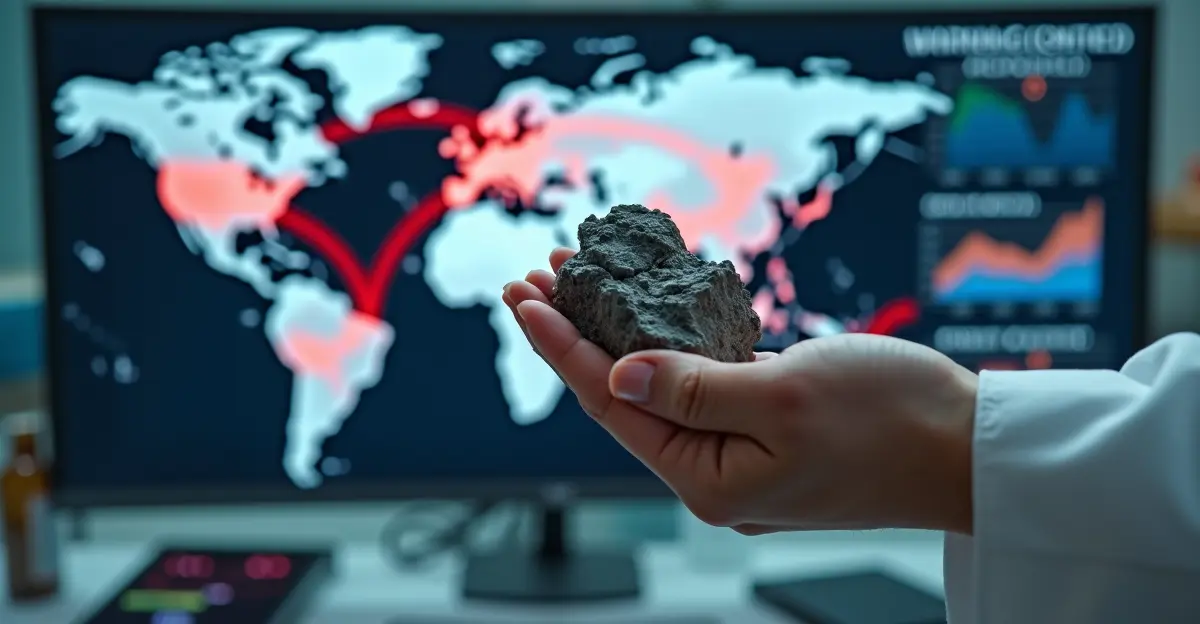
China's overwhelming control of critical mineral processing represents the single greatest vulnerability in global supply chains. According to IEA analysis, China refines 70% of 19 out of 20 strategic minerals and produces 94% of rare earth permanent magnets essential for electric vehicles, wind turbines, defense systems, and AI data centers. Recent Chinese export controls on rare earth elements and related technologies have already caused supply disruptions, forcing some automakers to temporarily shut factories and causing rare earth prices in Europe to reach six times Chinese levels. "New export controls on critical minerals are making supply concentration risks a reality," warns the International Energy Agency in a recent commentary.
This dominance extends beyond rare earths to multiple strategic sectors. Chinese companies control about 80% of Indonesia's nickel refining and have major investments in Congolese cobalt, which supplies 70% of global production. Despite new mining projects emerging in the US, Australia, Brazil, India, and Africa, most mineral concentrates still must be shipped to Chinese refineries, which benefit from cheap coal power and less stringent environmental regulations. The geopolitical competition for resources has intensified as China leverages this position in trade disputes, restricting exports of rare earths, germanium, and other critical materials during conflicts with the US and Japan.
Western Response: Diversification Strategies
United States Initiatives
The United States has mobilized over $30 billion in support for critical minerals projects in the past six months alone, including a landmark $10 billion EXIM Bank loan for Project Vault to establish a domestic strategic reserve. The Inflation Reduction Act provides tax credits and incentives for domestic production, while the 2026 Critical Minerals Ministerial brought together representatives from 54 countries and the European Commission to reshape global markets. The U.S. signed 11 new bilateral critical minerals frameworks with countries including Argentina, Cook Islands, Ecuador, Guinea, Morocco, Paraguay, Peru, Philippines, UAE, UK, and Uzbekistan, building on 10 other agreements signed in the previous five months.
European Union Approach
The European Union's Critical Raw Materials Act, which came into effect in May 2024, emphasizes diversification of supply sources, circular economy principles, and strategic partnerships with third countries. The EU is 100% dependent on China for heavy rare-earth elements, 99% dependent on Turkey for boron, and relies on South Africa for 71% of its platinum needs. The EU Green Deal framework integrates mineral security with broader climate objectives, recognizing that without adequate and diverse mineral supplies, the clean energy transition could slow dramatically.
The $800 Billion Investment Challenge
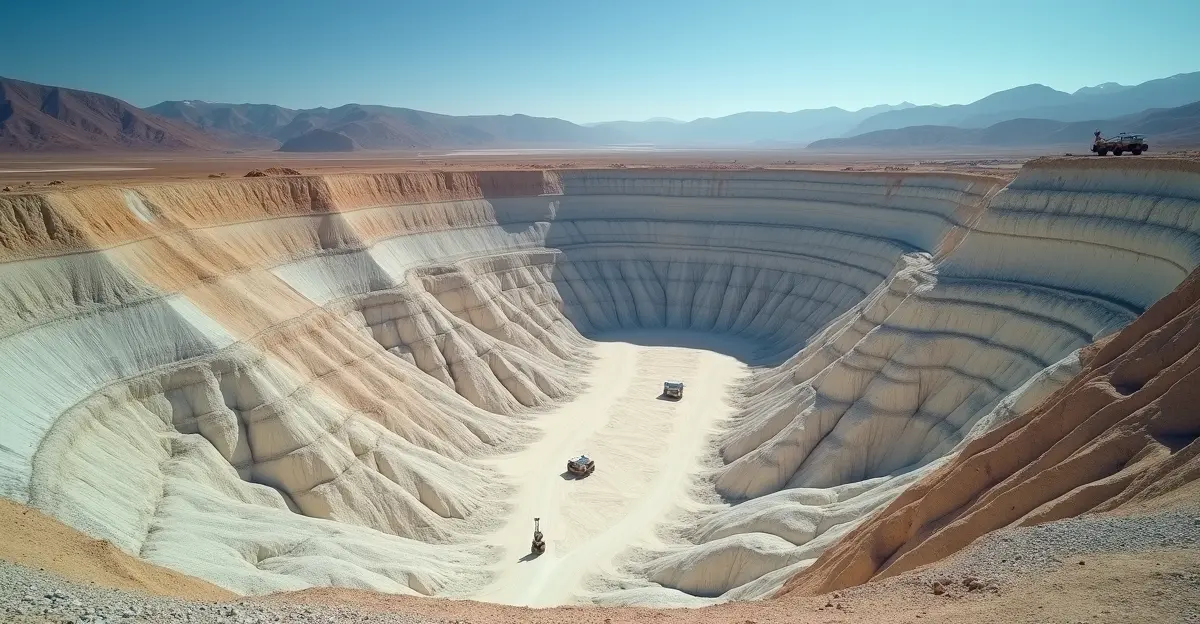
The IEA estimates that approximately $800 billion in investment is needed by 2040 to develop sufficient critical mineral supply chains to support global net-zero emissions goals. Current investment levels fall significantly short of this target, creating a financing gap that threatens to undermine climate ambitions. The Council on Foreign Relations recommends an innovation-focused strategy that leverages American technological strengths rather than trying to out-mine or out-process China directly. Key recommendations include developing substitute materials to bypass China's choke points, scaling waste-based recovery from mine tailings and industrial waste, and closing financing gaps for frontier mineral technologies.
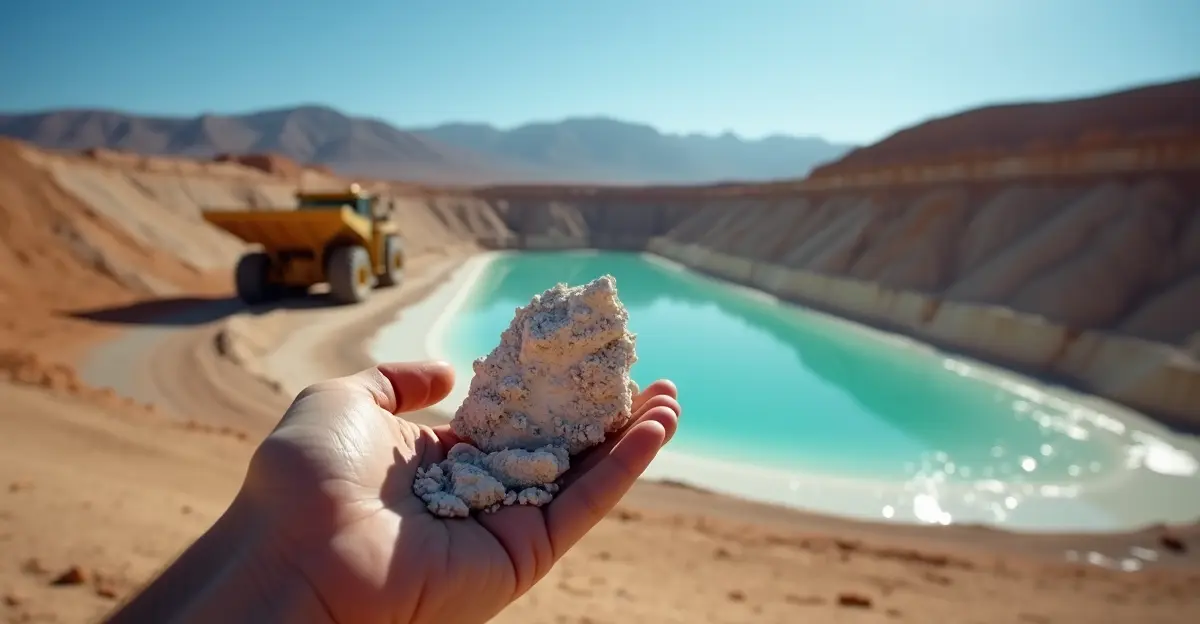
Recycling and circular economy approaches offer promising pathways. According to the World Resources Institute, "responsible mining that respects land rights, improves worker safety, and reduces environmental impacts must accompany supply chain diversification." The organization calls for promoting recycling, waste stream utilization, and designing technologies that require fewer materials as complementary strategies to traditional mining expansion.
Geopolitical Implications and Energy Security
The concentration of critical mineral production creates profound geopolitical risks that extend beyond economic considerations to national security. The minerals security partnership framework, now succeeded by the Forum on Resource Geostrategic Engagement (FORGE), represents a transnational effort to secure stable supplies of raw materials. With critical minerals essential for advanced military technologies, artificial intelligence systems, and space exploration capabilities, control over these resources has become a central element of great power competition.
Africa's Democratic Republic of Congo supplies 70% of global cobalt, while Latin America's Lithium Triangle holds 60% of lithium reserves, placing these regions at the center of geopolitical pressures from major powers seeking resource access. The strategic implications extend to trade policy, with export controls becoming tools of economic statecraft that can disrupt global manufacturing and energy transitions.
Expert Perspectives on the Path Forward
Jennifer Layke, Global Energy Director at the World Resources Institute, emphasizes that "without adequate and diverse mineral supplies, the clean energy transition could slow down." She stresses the need for diversifying supply chains to include lower-income, mineral-rich regions to build resilience and create economic opportunities. Industry analysts note that while copper processing is expected to diversify with 55% of refined production coming from outside China by 2030, Chinese dominance in other sectors will likely persist without concerted international action.
The challenge is compounded by lengthy permitting processes that can take up to 29 years to open a mine in the United States, compared to significantly shorter timelines in other jurisdictions. This regulatory burden hampers efforts to develop domestic production capacity and increases reliance on foreign sources during the critical decade of the 2020s when clean energy deployment must accelerate dramatically.
Frequently Asked Questions
What are critical minerals?
Critical minerals are raw materials designated by governments as essential for their economies and strategic industries where supply interruption risks exist. They include lithium, cobalt, nickel, copper, rare earth elements, and other materials crucial for clean energy technologies, defense systems, and advanced manufacturing.
Why is China's dominance in critical minerals concerning?
China refines 70% of 19 out of 20 strategic minerals and produces 94% of rare earth permanent magnets. This concentration creates supply chain vulnerabilities, allows China to use export controls as geopolitical leverage, and threatens the energy security of nations dependent on these materials for their clean energy transitions.
How much investment is needed to secure critical mineral supply chains?
The International Energy Agency estimates approximately $800 billion in investment is needed by 2040 to develop sufficient critical mineral supply chains to support global net-zero emissions goals, with current investment levels falling significantly short of this target.
What are Western countries doing to reduce dependence on China?
The United States has mobilized over $30 billion in support for critical minerals projects, signed numerous bilateral agreements, and passed the Inflation Reduction Act with domestic production incentives. The European Union implemented the Critical Raw Materials Act focusing on diversification, circular economy principles, and strategic partnerships with third countries.
Can recycling solve the critical minerals shortage?
While recycling and circular economy approaches are important complementary strategies, they cannot fully meet projected demand growth. The IEA and other experts emphasize that recycling must be combined with responsible mining expansion, technological innovation, and supply chain diversification to address the scale of the challenge.
Conclusion: A Race Against Time
The critical minerals bottleneck represents one of the most significant challenges to the global energy transition, with geopolitical, economic, and environmental dimensions intersecting in complex ways. As demand is projected to double by 2030, the window for action is narrowing. Success will require unprecedented international cooperation, innovative financing mechanisms, technological breakthroughs in materials science, and responsible approaches to resource development that balance environmental and social considerations. The global energy security landscape is being reshaped by these mineral dependencies, making their secure and sustainable supply a defining issue of the 21st century.
Follow Discussion