


 Deutsch
 English
 Español
 Français
 Nederlands
 Português


 Share
Share




The Nepal glacier flood that tore through the Langtang valley and the Bhote Koshi river on 26 August 2026 was an 'unnoticed time bomb', according to scientists. A massive section of glacier, estimated at 1.5 by 1 kilometre and up to 200 metres thick, broke away from Langtang Lirung and sent a deadly wave of water, ice and debris across the Nepal-Tibet border. Experts say a combination of geology, hydrology and climate change created the disaster, and warn that similar events may become more frequent.
What caused the Nepal glacier flood?
The immediate trigger was a glacier collapse north of Langtang Lirung, a peak in Langtang National Park. Professor of mountain hydrology Walter Immerzeel of Utrecht University described the event based on new satellite imagery. 'On new satellite imagery from this morning you can clearly see that part of a glacier has broken off. It is about 1.5 by 1 kilometre,' he said. 'That mass came down through a steep valley and then entered the border river between Tibet and Nepal.'
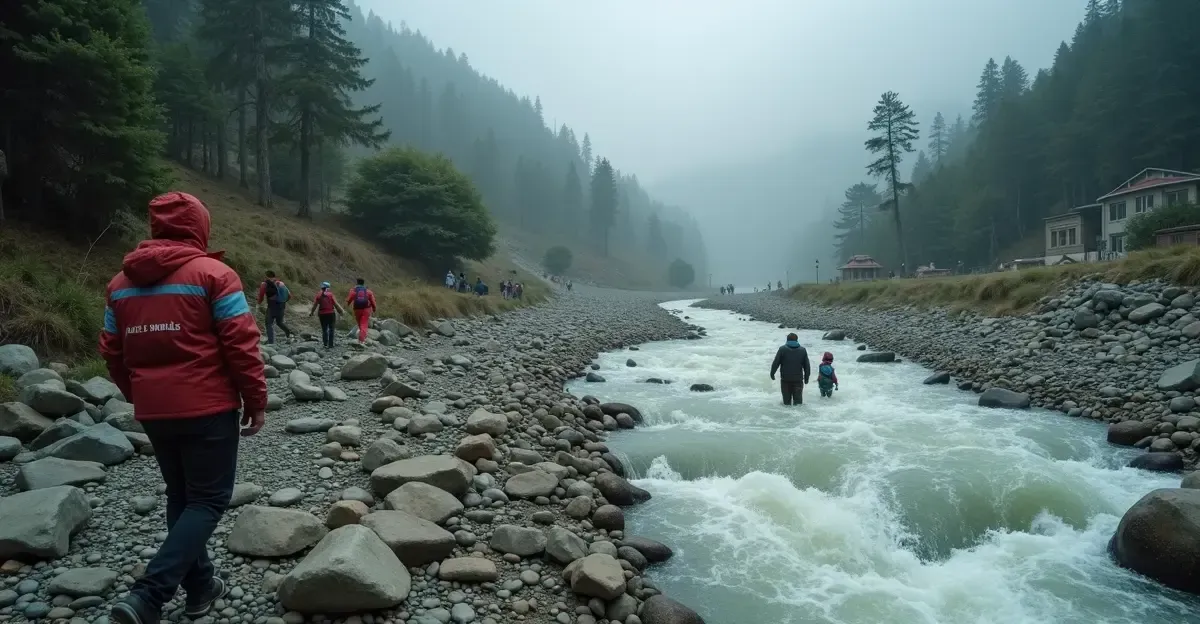
Earth scientist Tjalling de Haas, also of Utrecht University, explained that residents reported the river flow first decreased. 'That may indicate the river was blocked by a landslide. Then a kind of dam forms, behind which river water starts to accumulate,' he said. When that natural dam broke, it released a huge flood wave. As with the 2015 Nepal earthquake that killed thousands, this region is no stranger to natural disasters.
How the river became a destructive wave
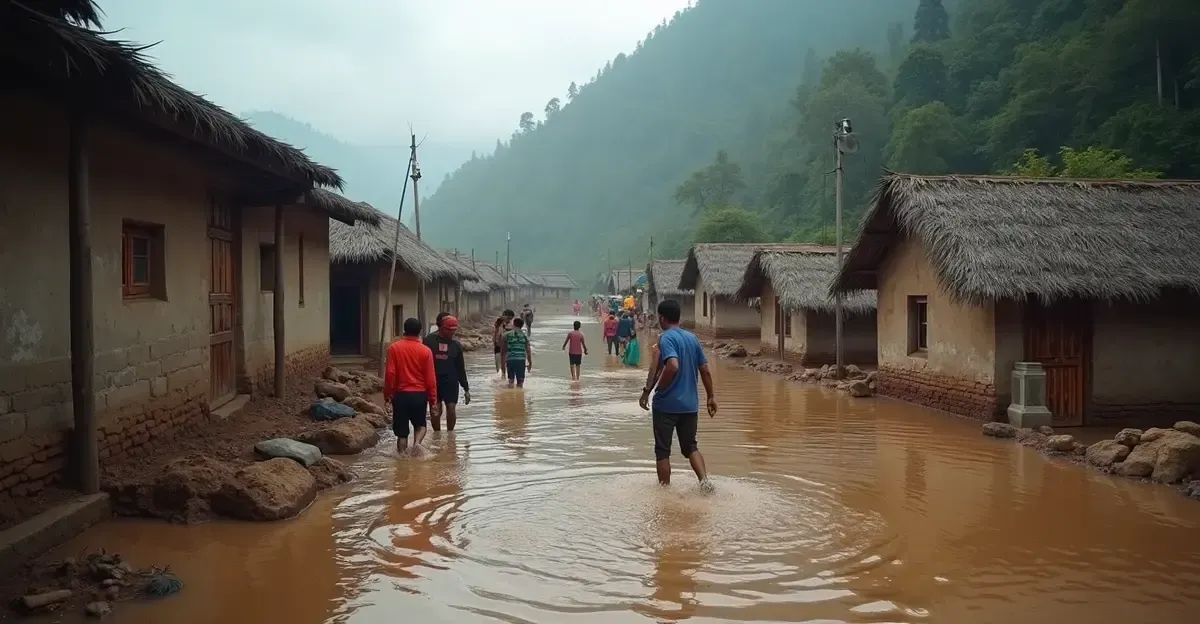
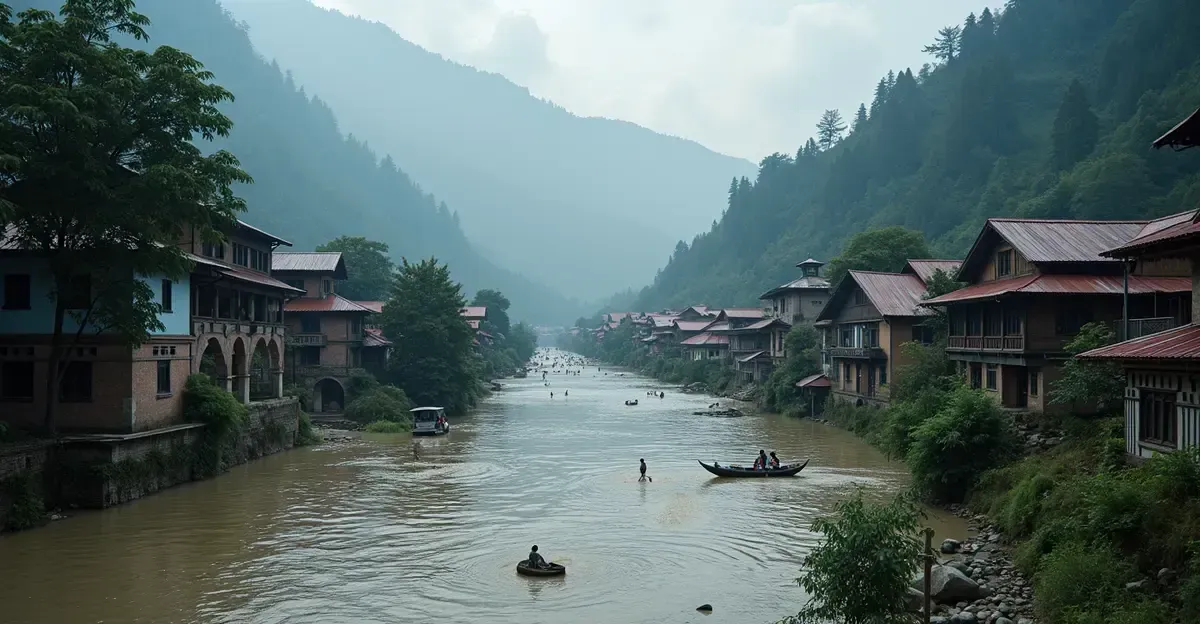
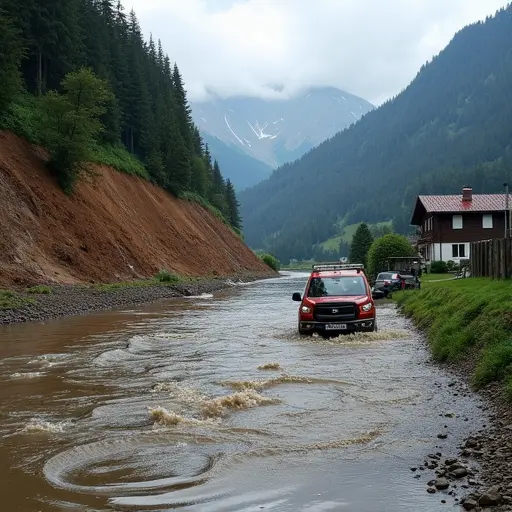
The sequence of glacier collapse, temporary damming and dam failure created what is known as a glacier lake outburst flood (GLOF). Unlike a typical monsoon flood, this event occurred without local rainfall in the previous 24 hours. The Bhote Koshi valley is narrow with dense construction close to the river, which magnified the destruction.
Key warning signs that preceded the Nepal glacier flood included:
- A sudden drop in river flow as debris blocked the channel
- Visible cracks or calving at the glacier front
- Seismic signals consistent with a large mass movement
- Rapid accumulation of water behind a natural dam
Climate change and permafrost thaw: a 'ticking time bomb'
While the exact trigger is still under investigation, scientists say global warming likely played a role. Professor Immerzeel warned that thawing permafrost high in the mountains holds rocks together, and as it melts, slopes become unstable. 'I think there is a high chance this is due to warming. The permafrost high in the mountains holds the rocks together. It is melting further and further. And then you have the meltwater: if that gets between the glacier and the rocks, the whole thing can start sliding,' he explained.
The Himalayan permafrost thaw is a growing concern for mountain communities. Even if global warming stopped today, glaciers would continue to melt for centuries, increasing the risk of similar hazards.
Comparison: Glacier collapse vs glacial lake outburst flood
| Feature | Glacier collapse | Glacial lake outburst flood |
|---|---|---|
| Trigger | Ice/rock mass breaks from mountain | Natural dam containing a glacial lake fails |
| Water source | Meltwater and displaced river water | Stored lake water |
| Warning time | Often minutes | Can be hours or days |
| Climate link | Permafrost thaw, glacier retreat | Glacier melt enlarging lakes |
Impact and ongoing risks
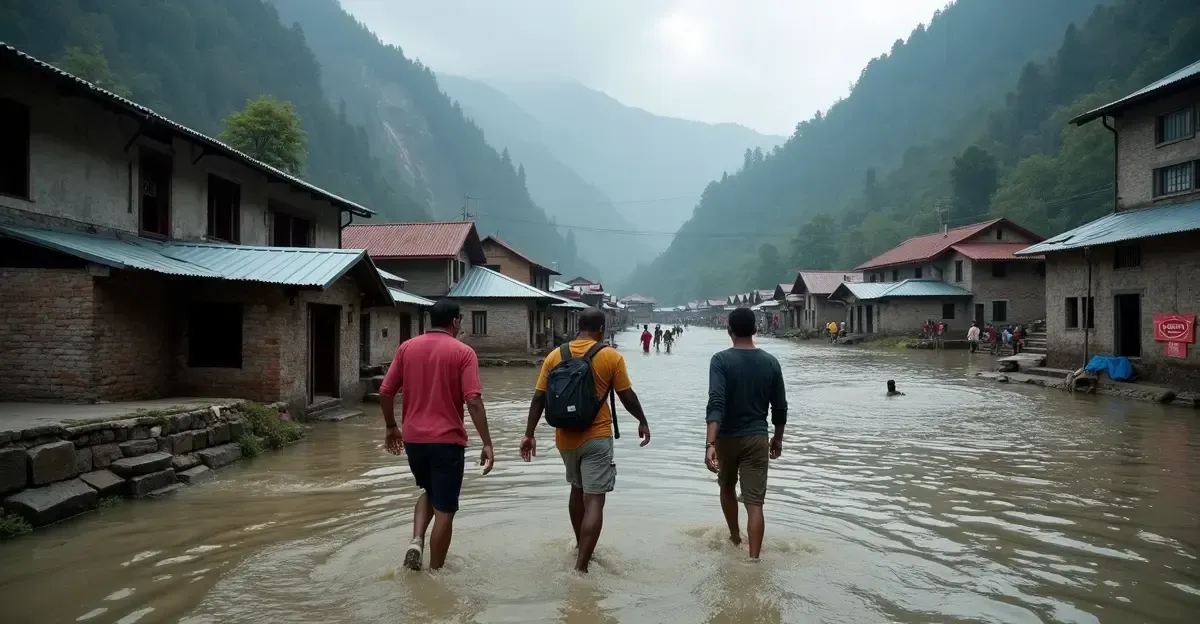
The flood damaged the gateway town of Syabrubesi and the road toward the Tibet border. Flood risk researcher Tim Busker of Vrije Universiteit Amsterdam said only seven minutes passed between the glacier collapse and the flood wave reaching the border crossing. 'That is too little. People would have to act very quickly,' he said. Some lives were saved by warnings from the flood service further downstream.
Authorities in China and Nepal have warned that a new lake has formed, raising the possibility of a second flood. The glacial lake outburst flood risk remains elevated as debris can create new blockages. Scientists stress that the area's steep terrain and dense riverbank settlement make early warning extremely difficult.
Frequently Asked Questions
What is a glacier lake outburst flood (GLOF)?
A GLOF is a sudden release of water from a lake that forms behind a glacier or natural dam. When the dam fails, water, ice and debris rush downstream with little warning.
Was the Nepal glacier flood caused by climate change?
Scientists say global warming likely contributed by thawing permafrost and increasing meltwater, but the full cause is still under investigation.
How much warning did people have?
Only about seven minutes passed between the glacier collapse and the flood wave reaching the Nepal-Tibet border crossing, far too little for most evacuations.
Is there a risk of another flood?
Yes. China and Nepal have warned that a new lake has formed upstream, and further blockages could trigger another flood, though likely smaller.
Follow Discussion