


 Deutsch
 English
 Español
 Français
 Nederlands
 Português


 Share
Share




The Nepal flood death toll has climbed past 1,000, marking one of the deadliest climate-related disasters in Himalayan history. Five days after a catastrophic glacier collapse triggered a wall of water through the Bhote Koshi valley, officials in Kathmandu confirmed 1,003 deaths in Nepal and 16 in Tibet, with nearly 4,000 people still missing. As rescue teams struggle against landslides and destroyed roads, Prime Minister Balendra Shah has warned that such disasters will become more frequent because of climate change.
What Caused the Nepal Flood?
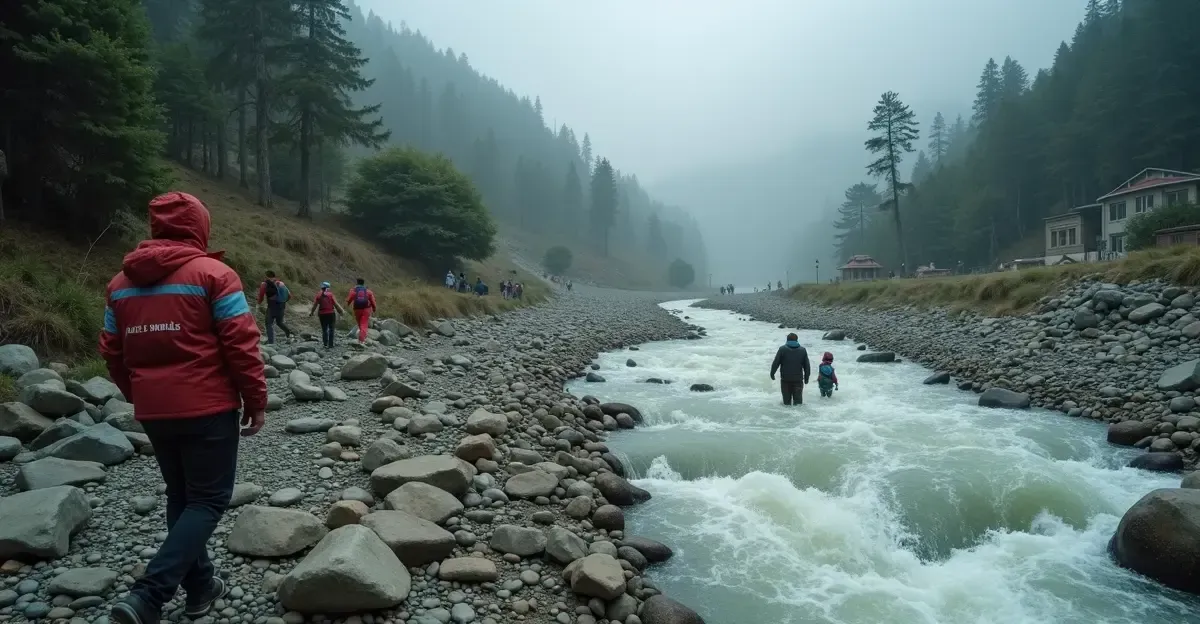
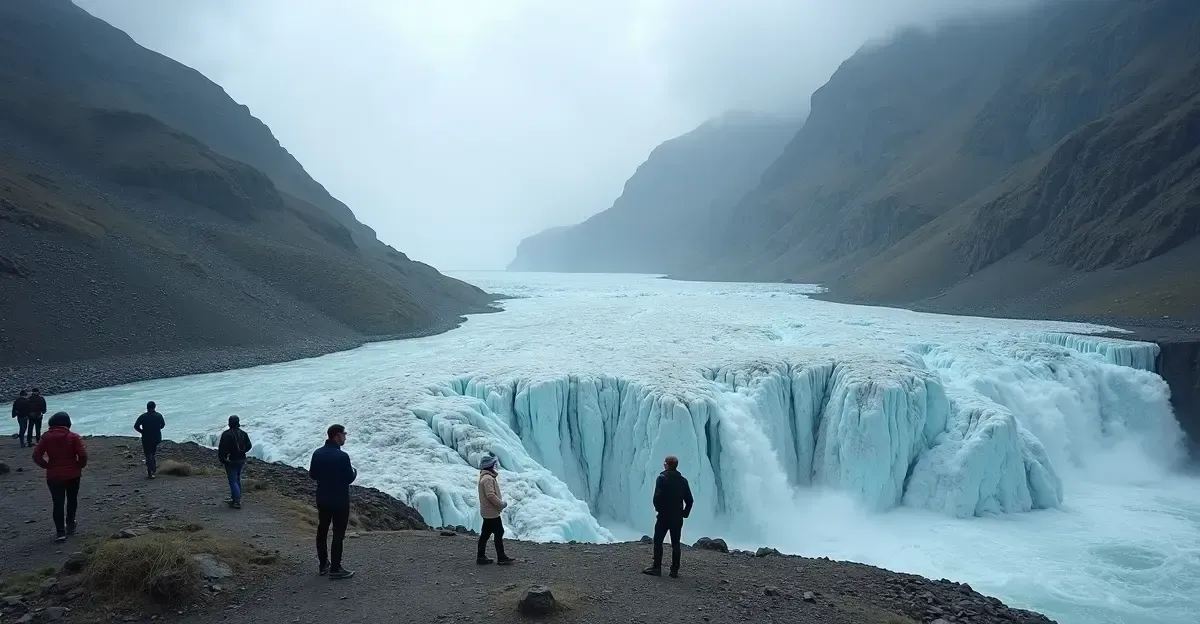
The disaster began on August 26, 2026, when part of the Langtang Lirung glacier broke away and plunged roughly 1,200 metres down the mountainside. The resulting avalanche of ice, rock and meltwater sent a devastating flood surge of mud, water and debris into the Bhote Koshi river. The event was so powerful that it registered as a magnitude 5.2 seismic signal detected worldwide. Scientists have ruled out rainfall and tectonic earthquakes, pointing instead to climate change-induced permafrost melting in the rapidly warming Himalayas.
Death Toll Tops 1,000 as Rescue Hopes Fade
Nepal's disaster agency has counted 1,003 deaths, with 3,916 people officially missing, including 583 foreign nationals. China reported 16 deaths and 546 missing across the border in Tibet. More than 11,800 people have been rescued, but the window for finding survivors is closing fast.
'The acute search for people and rescuing people — that hope has actually been given up,' said Ilse Bennink of the Diyo Nepal Foundation, who works with victims in the disaster zone. She added that grief is spreading across Nepal: 'Last week I thought every family would know someone who died. Now it is at least five people per family.'
Prime Minister Shah said search and rescue operations are being 'intensified' because nearly 4,000 people remain unaccounted for. He shared a glimmer of good news: 168 rescued people have been discharged from hospital. There is also hope for hundreds of hydropower project workers trapped in tunnels — an estimated 500 labourers were working at 12 sites when the flood hit, and rescuers are racing to reach them.
Where Are the Worst Affected Areas?
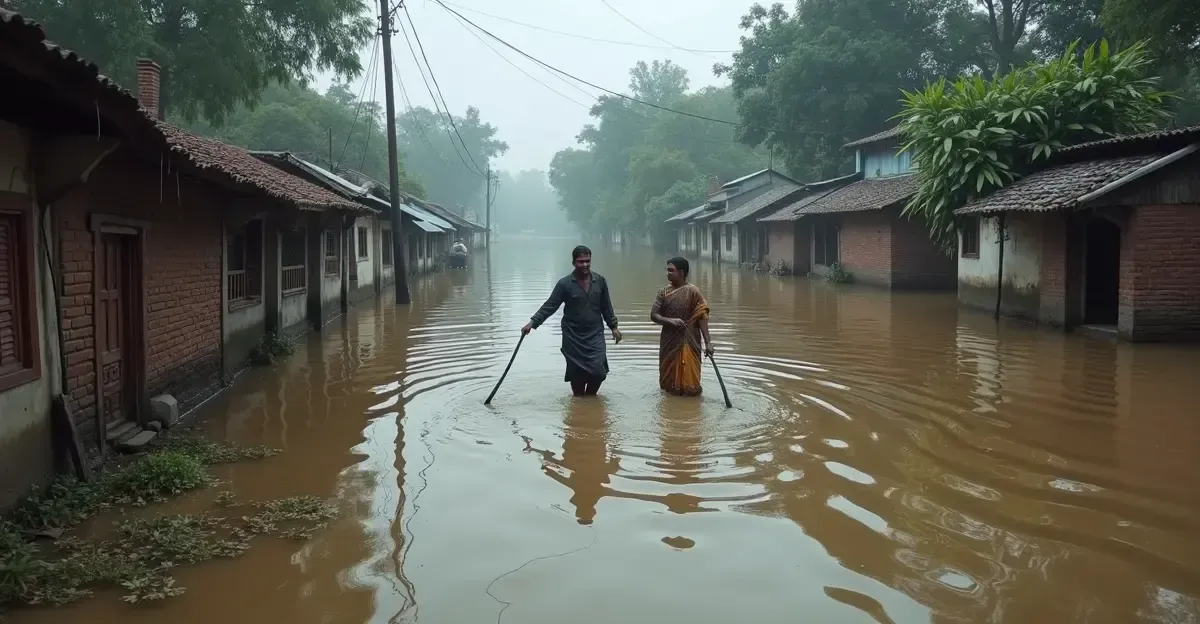
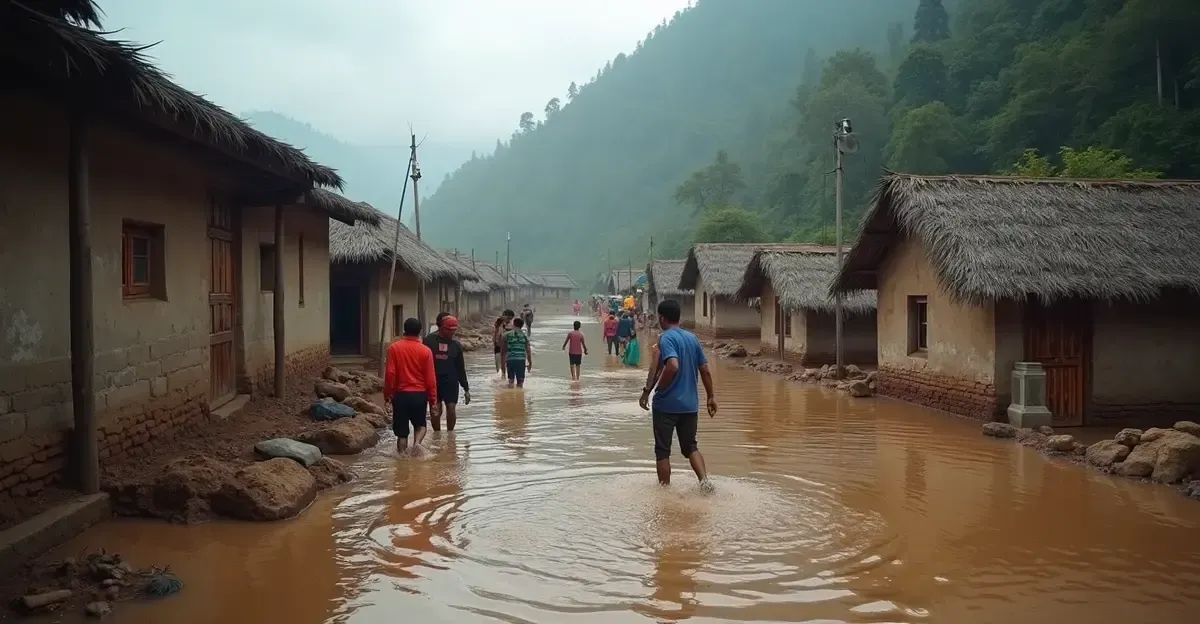
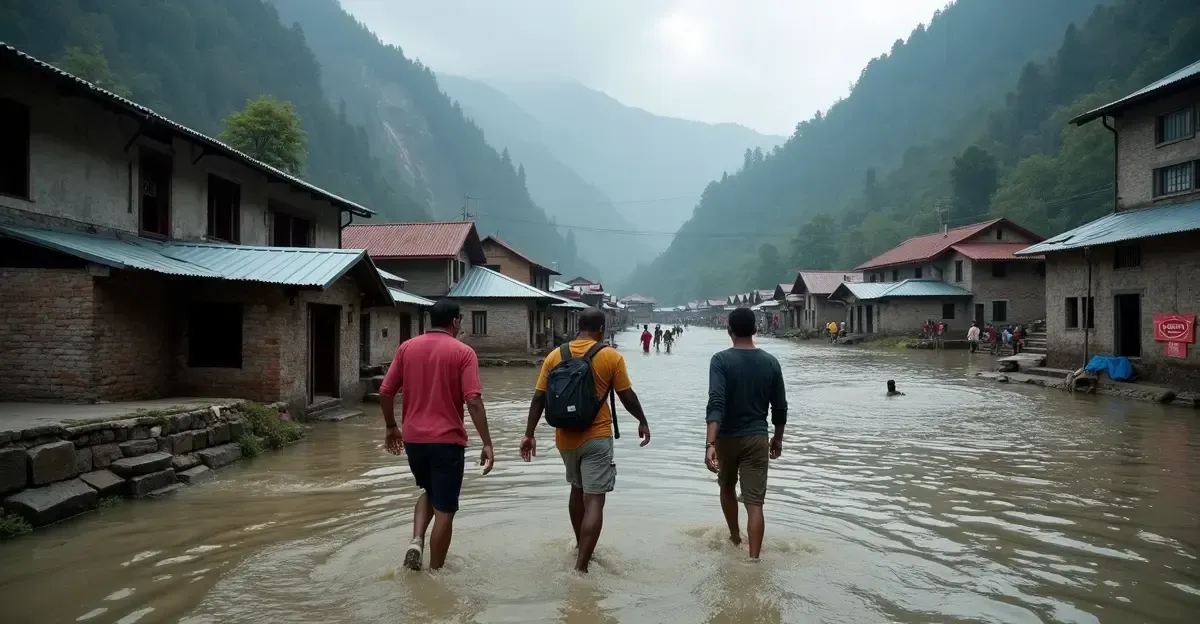
The flood swept through a 72-kilometre stretch of the Trishuli River, devastating dozens of settlements. Most bridges between the districts of Rasuwa, Nuwakot and Dhading have collapsed, cutting off entire communities. The government has prioritised building temporary bridges in these areas while crews work to restore electricity and telecom networks.
Climate Change Warning from Nepal's Leader
Prime Minister Shah called the event the greatest disaster ever recorded in the Himalayan region and linked it directly to a warming planet. 'We must remain alert and at the same time raise climate-change-induced disasters with the international community,' he said. Experts agree that melting Himalayan glaciers are creating a new risk landscape, with glacial lakes expanding and slopes destabilising across the region.
Reconstruction Costs and Community Resilience
Nepal's finance minister estimates that rebuilding will require about 4 billion euros — significantly less than the nearly 8 billion euros needed after the devastating 2015 earthquake, because the current disaster did not strike the whole country. 'Now people in Kathmandu and other parts of Nepal can take action,' Bennink noted, describing enormous resilience among Nepalis who are working together and supporting each other.
But challenges remain. Bennink warned that homes behind the washed-away areas are still intact yet unreachable, and food shortages could emerge within days. 'The survivors cannot go back home later. So we have to think about that too. This is not a sprint, but an ultramarathon,' she said. The focus on long-term disaster recovery will be critical as temporary bridges, power and communication lines are gradually restored.
FAQ: Nepal Flood Disaster 2026
How many people died in the Nepal flood?
At least 1,003 people have died in Nepal and 16 in Tibet, with nearly 4,000 still missing as of September 1, 2026.
What caused the Nepal flood?
A glacier collapse on Langtang Lirung sent ice, rock and meltwater 1,200 metres down the slope, triggering a flood surge in the Bhote Koshi river. The event registered as a magnitude 5.2 seismic signal.
Is climate change responsible for the Nepal flood?
Prime Minister Balendra Shah and scientists say climate change is increasing the risk of such glacier-related disasters in the Himalayas.
How many people are missing in the Nepal flood?
About 3,916 people are missing in Nepal, including 583 foreign nationals, plus 546 missing in Tibet.
How much will reconstruction cost?
Nepal's finance minister estimates around 4 billion euros will be needed for rebuilding, less than the 8 billion euros after the 2015 earthquake.

Follow Discussion