


 Deutsch
 English
 Español
 Français
 Nederlands
 Português


 Share
Share




The Long Road to Recovery After Tropical Storms
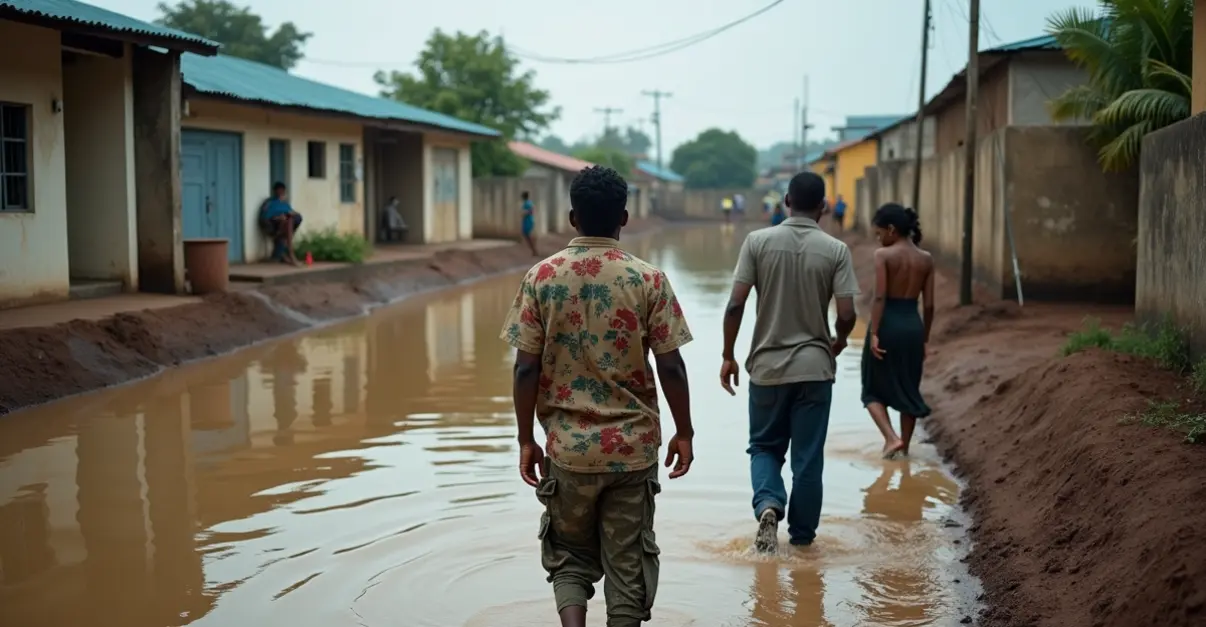
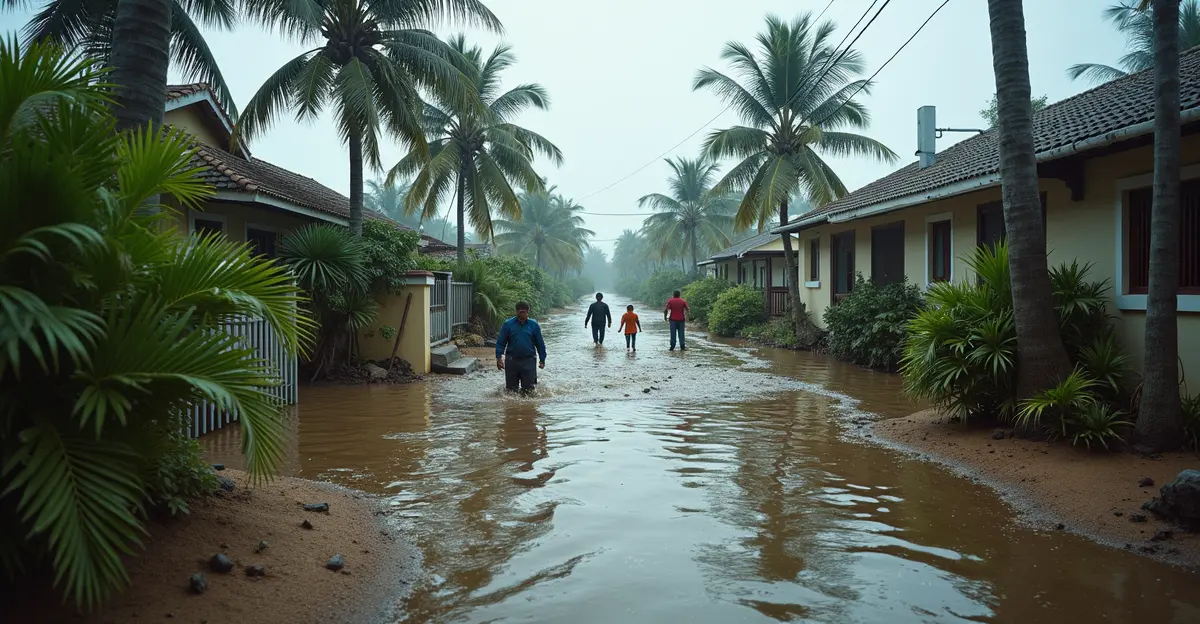
As communities across hurricane-prone regions continue to grapple with the aftermath of recent tropical storms, the complex process of recovery reveals both immediate challenges and long-term funding needs. The 2025 Atlantic hurricane season has already demonstrated the devastating impact these storms can have, with Tropical Storm Melissa threatening Caribbean nations and ongoing recovery efforts from previous storms like Helene and Fred.
Immediate Damage Assessment and Emergency Response
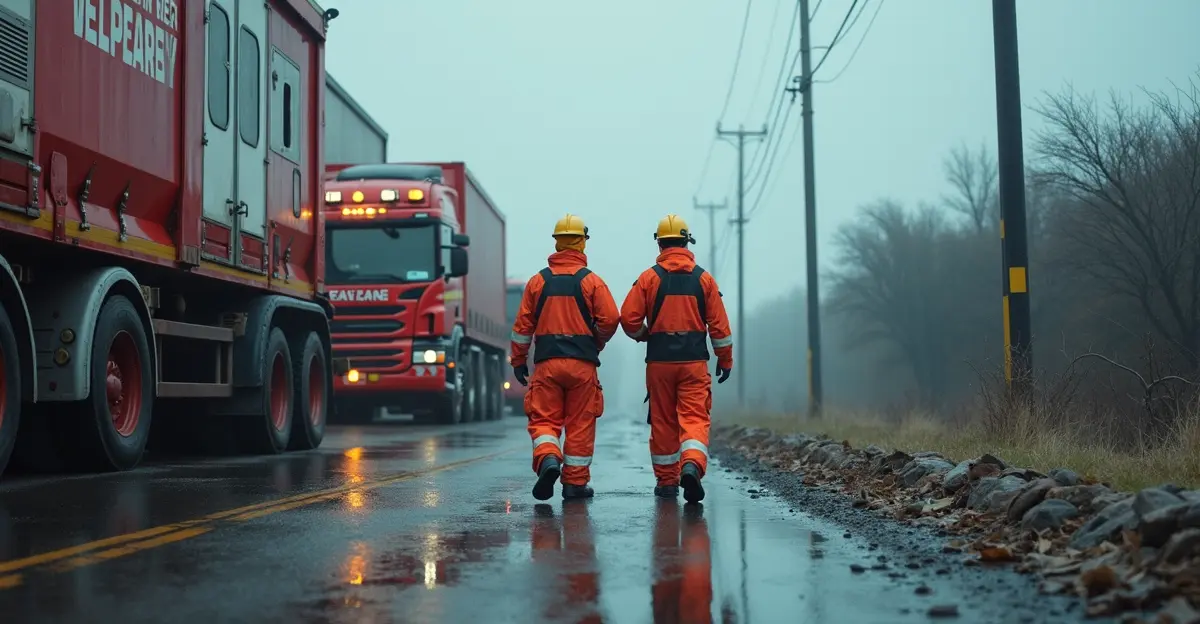
The first 72 hours after a tropical storm makes landfall are critical for damage assessment and emergency response. Rescue teams work around the clock to reach isolated communities, while emergency managers coordinate with organizations like Direct Relief to deliver essential medical supplies and aid. 'We've pre-positioned over $3 million in medical aid across the Caribbean region within the past month alone,' says a Direct Relief spokesperson. 'This proactive approach allows us to respond immediately when storms threaten vulnerable communities.'
Relief Logistics: The Critical Supply Chain
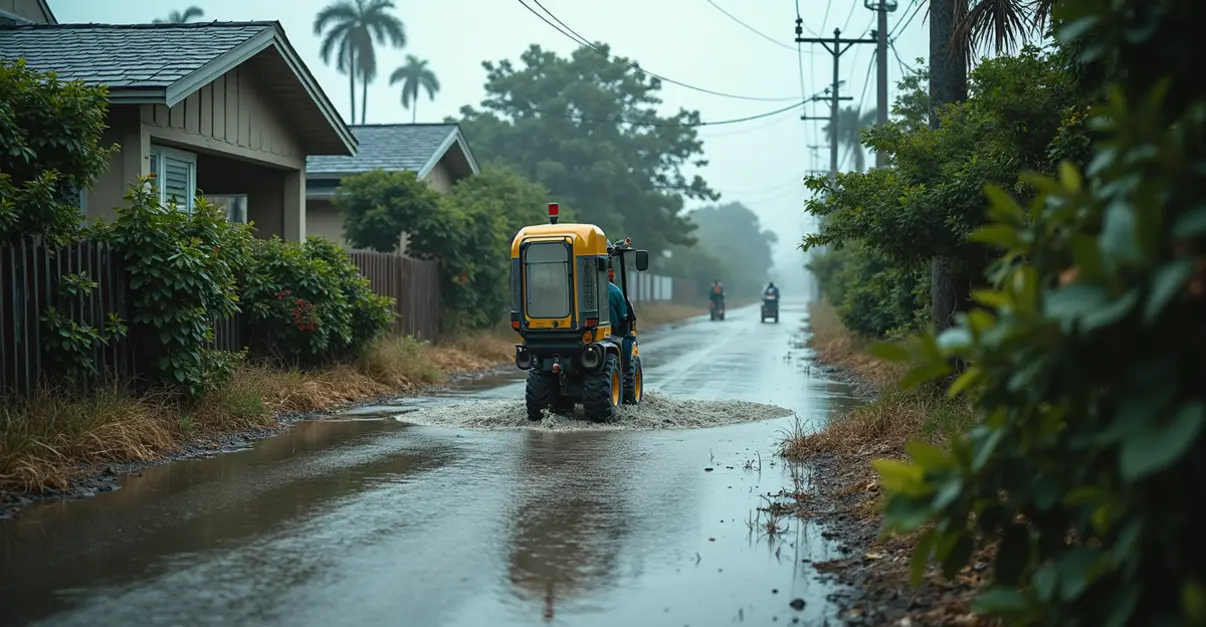
Moving supplies into affected areas presents enormous logistical challenges. Damaged roads, flooded airports, and disrupted communication networks complicate relief efforts. The Federal Emergency Management Agency (FEMA) coordinates with state and local partners through programs like the Response and Recovery Federal Interagency Operational Plan, which outlines coordinated federal support strategies. 'Logistics is the backbone of any successful recovery operation,' explains emergency management expert Dr. Maria Rodriguez. 'Without efficient supply chains, even the most well-funded relief efforts can stall.'
Reconstruction Timeline: A Multi-Year Process
Recovery from major tropical storms typically follows a phased timeline that can span years. According to disaster recovery experts, the process includes immediate emergency response (weeks 1-4), transitional reconstruction (months 2-24), major infrastructure rebuilding (years 2-5), and ongoing community redevelopment (years 5+). The disaster recovery timeline analysis using Hurricane Katrina as a case study shows that effective recovery requires blending immediate aid with long-term resilience strategies.
Funding Needs and Financial Challenges
The financial requirements for tropical storm recovery are staggering. FEMA's Disaster Relief Fund FY 2025 Funding Requirements outline the agency's projected needs, while state-level programs like North Carolina's Report on Appropriations for Tropical Storm Fred detail specific recovery costs. 'The gap between available funding and actual recovery needs continues to widen,' notes disaster finance analyst James Wilson. 'We're seeing communities forced to make difficult choices about what gets rebuilt first.'
Community-Centered Recovery Approaches
Modern recovery efforts increasingly emphasize community-centered approaches. Programs like North Carolina's Disaster Case Management Program guide survivors through the recovery process, while Multi-Agency Resource Centers (MARCs) help affected residents access available assistance. 'Grassroots community initiatives play a central role in restoring housing, schools, and essential services,' says community organizer Lisa Chen. 'When residents are involved in planning their own recovery, the results are more sustainable.'
Building Resilience for Future Storms
As climate change increases the frequency and intensity of tropical storms, recovery efforts must incorporate resilience-building measures. This includes elevating homes in flood-prone areas, strengthening critical infrastructure, and implementing better land-use planning. The U.S. Economic Development Administration's FY2025 Disaster Supplemental Grant Program represents one approach to funding these resilience initiatives. 'Recovery isn't just about rebuilding what was lost,' emphasizes climate resilience expert Dr. Robert Kim. 'It's about building back better and smarter to withstand future storms.'
The road to recovery after tropical storms is long and complex, requiring coordinated efforts across government agencies, non-profit organizations, and affected communities. With proper funding, strategic planning, and community engagement, even the most devastated regions can rebuild stronger and more resilient than before.

Follow Discussion