


 Deutsch
 English
 Español
 Français
 Nederlands
 Português


 Share
Share




At least 108 people have died in India and Nepal after days of torrential monsoon rain triggered flash floods, mudslides and landslides across the shared border region, authorities said on 28 September 2026. The India Nepal floods have killed 81 people in Uttar Pradesh and at least 27 in Nepal, with dozens more injured or missing.
What happened in the India-Nepal border region?
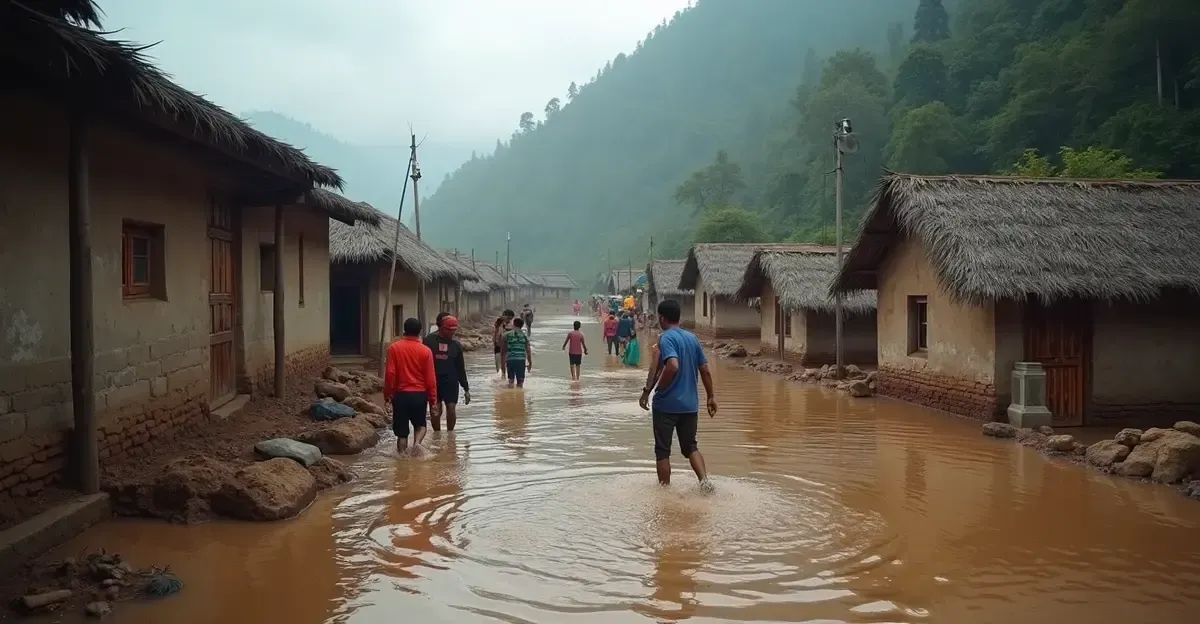
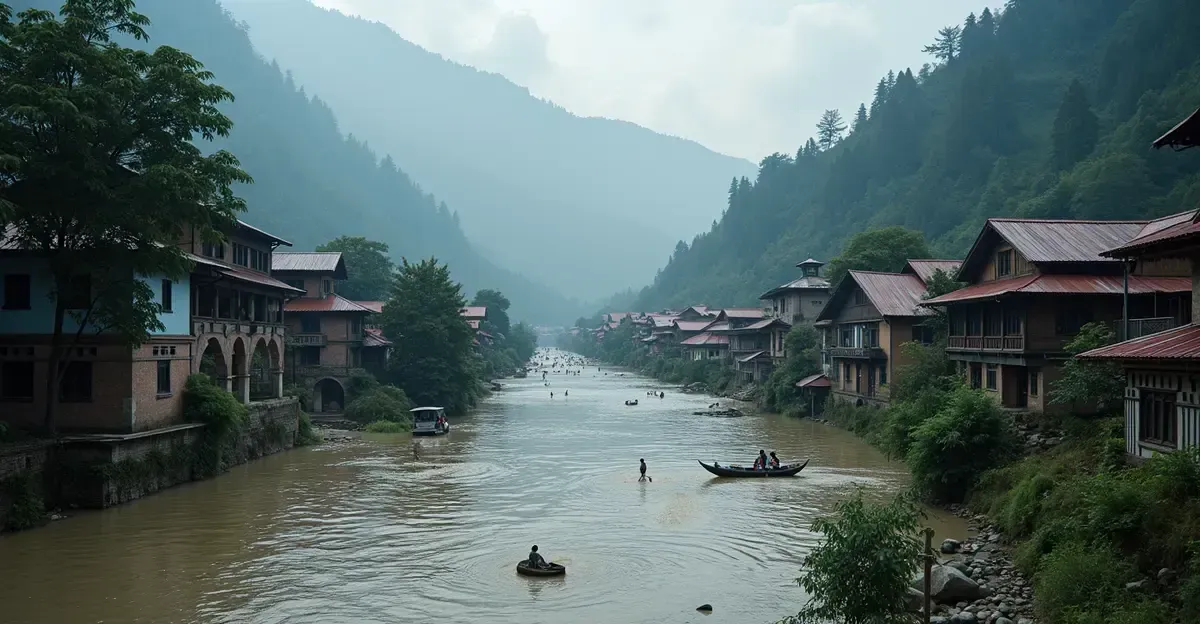
An intense depression moving inland from the Bay of Bengal dumped record rainfall across northern India and Nepal. Uttar Pradesh recorded 66.5 millimetres of rain between Friday and Sunday, far above the normal 7.6 millimetres for the period. “The state recorded 66.5 mm of rain from Friday to Sunday morning, far above the normal 7.6 mm,” said Uttar Pradesh relief commissioner Hrishikesh Bhaskar Yashod. Rivers including the Ganga, Gandak, Kosi and Bagmati rose above danger levels, and the South Asia monsoon flooding triggered mudslides that destroyed more than 1,000 homes.
Latest death toll and affected areas
Officials confirmed 81 deaths in Uttar Pradesh, India’s most populous state, home to more than 240 million people. In Nepal, at least 27 people have been killed, according to national authorities.
Affected areas at a glance
- Uttar Pradesh, India — 81 deaths, over 1,000 homes damaged
- Nepal — at least 27 deaths, routes closed, power outages
- Odisha, India — more than 75,000 people evacuated
Uttar Pradesh hardest hit
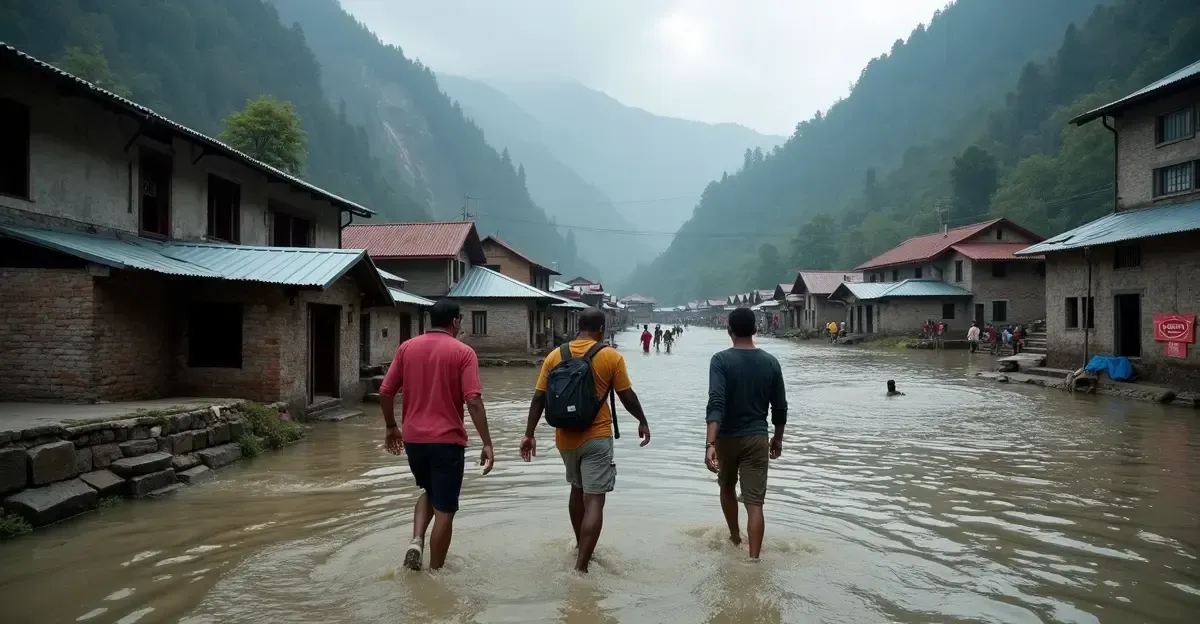
Schools remained closed and residents were urged to avoid unnecessary travel and keep away from rivers. Rescue teams worked to evacuate people from flooded neighbourhoods, while electricity supplies were disrupted in several districts.
Nepal’s emergency response stalls
In Nepal, emergency relief to affected areas has nearly ground to a halt. The government closed several routes and banned travel between certain regions, complicating rescue work. Power outages were reported in both countries. The Nepal flash flood disaster in August 2026, which killed more than 1,400 people, left thousands still missing only weeks before this latest event.
What caused the flooding? Cyclone Arnabnu
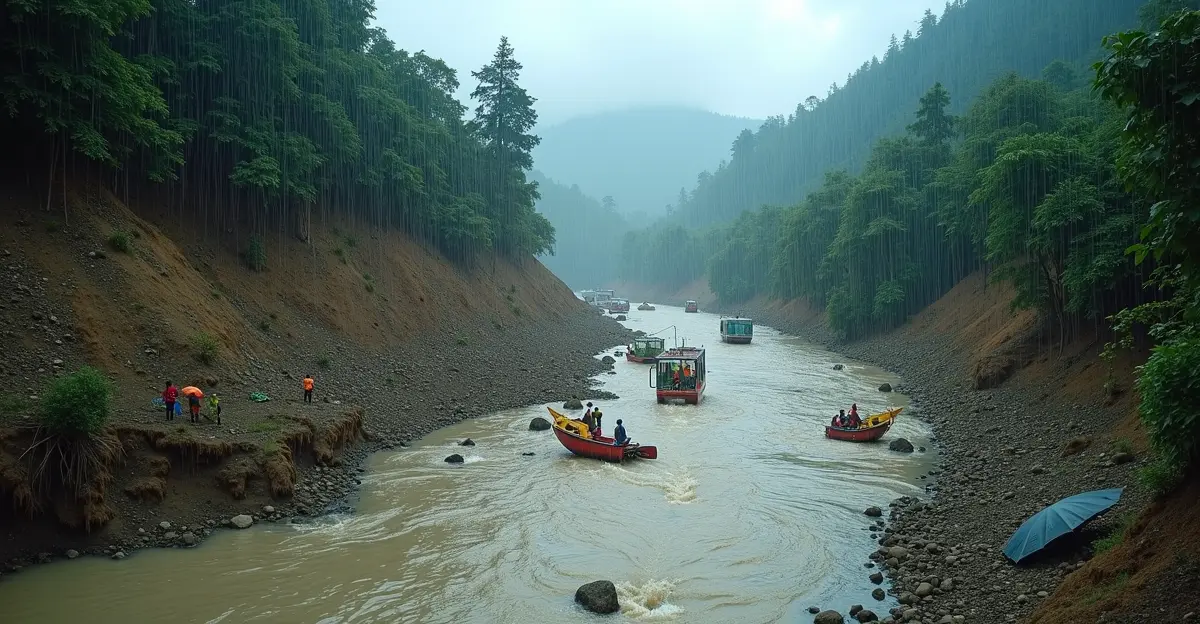
The heavy rain has been linked to Cyclone Arnabnu, which moved from the Bay of Bengal across the region. The edges of the storm caused the greatest damage in western and central Nepal.
Climate change and stronger storms
Scientists say climate change is making the most intense storms more powerful. Warmer sea water provides more energy for cyclones, and a warmer atmosphere holds more moisture, leading to heavier rainfall. Rising sea levels also increase storm surge height, putting low-lying areas at greater risk of flooding.
Impact and evacuations
Beyond the border region, eastern India is also suffering. In Odisha, authorities evacuated more than 75,000 people from low-lying areas as rivers swelled. India’s Central Water Commission reported 30 river-monitoring stations in seven states in a “severe situation.”
Officials said the Odisha evacuation operations were among the largest precautionary relocations of the 2026 monsoon season, with bridges, culverts and roads damaged across the state.
FAQ
How many people have died in the India Nepal floods?
More than 108 people have been confirmed dead — 81 in Uttar Pradesh, India, and at least 27 in Nepal.
What caused the flooding?
Torrential monsoon rain linked to Cyclone Arnabnu, which moved inland from the Bay of Bengal, caused rivers to overflow and triggered mudslides and landslides.
Which areas are affected?
Uttar Pradesh and Odisha in India, and western and central Nepal, are among the worst-hit regions.
How many people were evacuated?
More than 75,000 people were evacuated in Odisha alone, with further evacuations continuing in Uttar Pradesh and Nepal.


Follow Discussion