


 Deutsch
 English
 Español
 Français
 Nederlands
 Português


 Share
Share




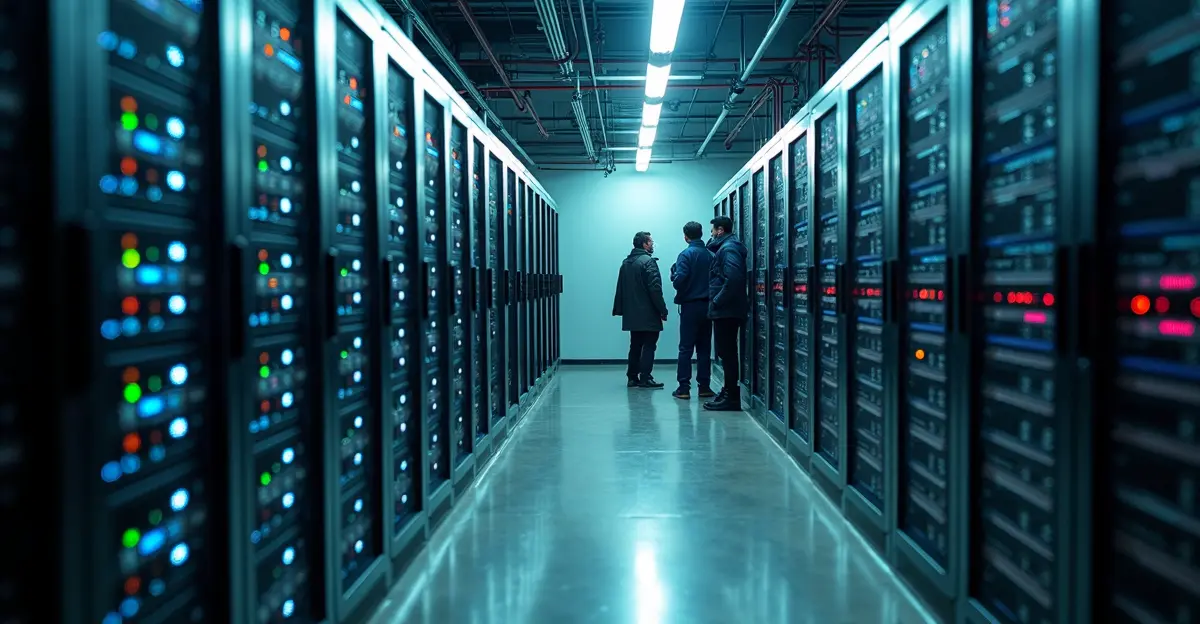
By 2026, AI-driven data center electricity demand is projected to exceed 1,000 terawatt-hours annually—roughly equal to Japan’s total consumption—while up to 50% of planned projects face delays from grid capacity shortages. This grid bottleneck is forcing hyperscalers to adopt a “bring-your-own-power” model, reshaping global energy markets and intensifying the clash between AI expansion and climate targets.
What Is Driving the Grid Bottleneck?
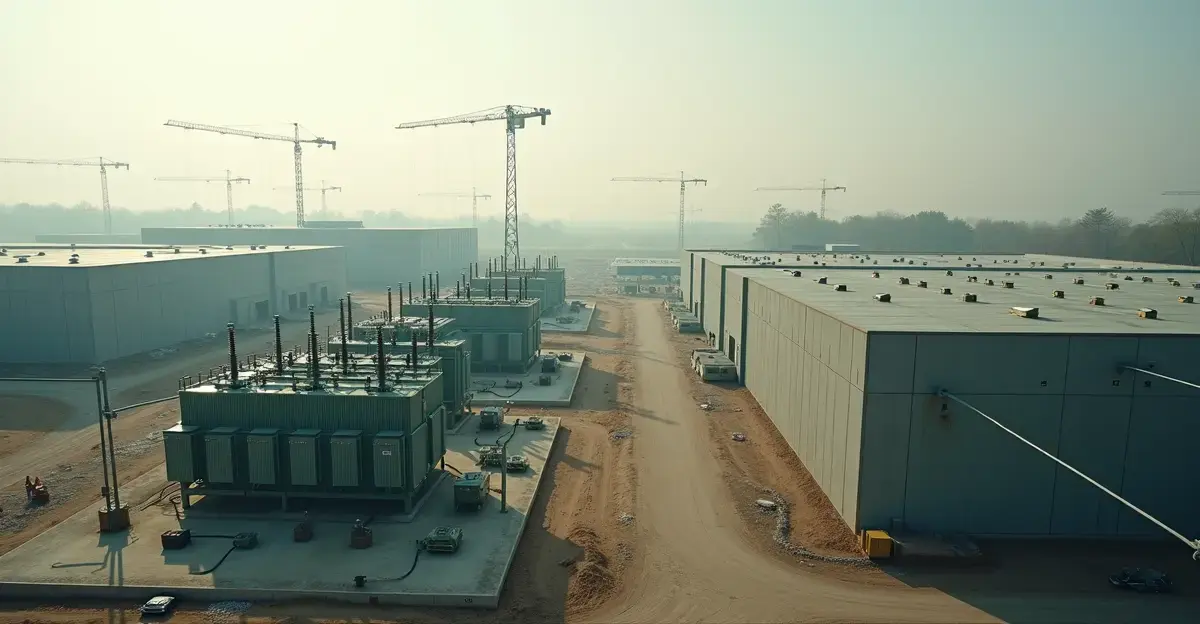
The surge in data center electricity demand is outpacing transmission capacity in hubs such as Northern Virginia, Texas, Ireland, and Singapore. Interconnection queues now stretch five years, and transformer lead times exceed three years. In the U.S., data center capacity additions reach 13.6 GW in 2026 and 36.3 GW in 2027, but only 50–60% are expected online on time. A structural warning arrived on December 17, 2025, when PJM Interconnection’s 2027/2028 capacity auction cleared at the $333.44/MW-day price cap yet still fell short of its reliability target. Capacity prices have surged ninefold since 2023.
Bring-Your-Own-Power: Nuclear Restarts and SMRs
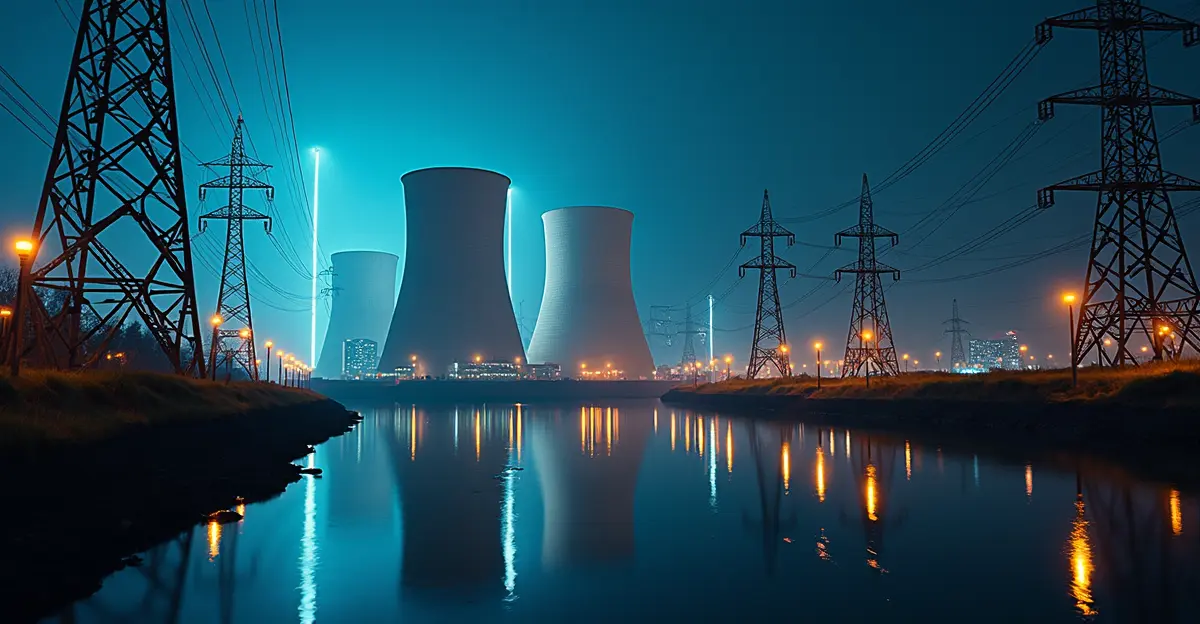
Facing delays, hyperscalers are investing directly in generation. Microsoft signed a 20-year power purchase agreement with Constellation Energy to restart Unit 1 at Three Mile Island—now the Crane Clean Energy Center—purchasing all 835 megawatts for data centers in Pennsylvania, Chicago, Virginia, and Ohio. Constellation will spend about $1.6 billion on upgrades, and a $1 billion U.S. Department of Energy loan approved in November 2025 moved the restart from 2028 to 2027. Google contracted with Kairos Power to buy electricity from small modular reactors that will not be built until 2030, while Amazon invested in nuclear startups.
- Microsoft: 20-year PPA for 835 MW at Three Mile Island Unit 1, restart targeted 2027.
- Google: Kairos Power small modular reactor deal, first power expected 2030.
- Amazon: equity investments in nuclear startups and co-located generation.
Natural Gas Fills the Gap—and Prices Rise
As clean capacity lags, natural gas is filling short-term gaps, pushing wholesale electricity prices near data center hubs dramatically higher. Utilities requested a record $31 billion in rate hikes for 2025, with capacity costs adding double-digit percentage increases to residential bills. Data centers’ share of peak summer power demand in the U.S. is projected to jump from 4.1% in 2025 to 8.5% in 2027. The Mid-Atlantic, Mid-Continent, and Northwest markets face elevated reliability risks, while Texas and Georgia see marginal tightening.
Climate Tensions and Investment Shifts
Goldman Sachs Research forecasts U.S. data center power demand growing at a 15% compound annual growth rate through 2030, with global data center power demand up 50% by 2027 and 165% by 2030 versus 2023. The bank estimates $720 billion in grid infrastructure investment is needed through 2030. Gartner predicts 40% of AI data centers will face operational constraints from power shortages by 2027, making 2026 the critical year for energy and climate strategy.
Expert Perspectives
Analysts in AI energy policy warn that the constraint has shifted. “Electricity, not GPU supply, is now AI’s binding constraint,” one industry analyst said. The International Energy Agency projects data centers will consume about 1,000 TWh in 2026, double 2024 levels. Hyperscalers have committed more than $100 billion to 13 nuclear projects totaling 9.8 gigawatts, according to recent reports. The IEA also warns that grid interconnection delays and supply-chain shortages could leave hundreds of gigawatts of planned load without adequate power.
FAQ: AI Data Centers and the Grid Bottleneck
How much electricity will AI data centers use in 2026?
AI-driven data centers are projected to consume about 1,000 terawatt-hours in 2026, roughly equal to Japan’s annual electricity use and double 2024 levels.
Why are data centers facing grid bottlenecks?
Transmission capacity, five-year interconnection queues, and transformer lead times exceeding three years are delaying up to 50% of planned projects.
What is the bring-your-own-power model?
Hyperscalers are bypassing constrained grids by investing directly in nuclear restarts, small modular reactors, and dedicated clean energy partnerships.
Which companies are investing in nuclear for data centers?
Microsoft is restarting Three Mile Island Unit 1, Google contracted with Kairos Power for SMRs, and Amazon invested in nuclear startups.
The Road Ahead
With 2026 shaping up as a turning point, the race between AI load growth and grid capacity will define energy investment, electricity pricing, and climate policy. The pivot to clean energy partnerships and on-site generation may ease bottlenecks, but natural gas is likely to bridge the gap into the 2030s.

Follow Discussion