


 Deutsch
 English
 Español
 Français
 Nederlands
 Português


 Share
Share




The AI Energy Paradox: How Data Center Expansion is Reshaping Global Energy Markets and Grid Stability
The explosive growth of artificial intelligence data centers is creating unprecedented electricity demand pressures on global energy systems, with U.S. data center electricity consumption surging to 183 terawatt-hours (TWh) in 2024—over 4% of the national total—and projected to grow by 133% to 426 TWh by 2030. This massive energy consumption is forcing immediate grid capacity challenges and energy policy reassessments across major economies, creating what experts call the 'AI energy paradox': the tension between technological advancement and sustainable energy management.
What is the AI Energy Paradox?
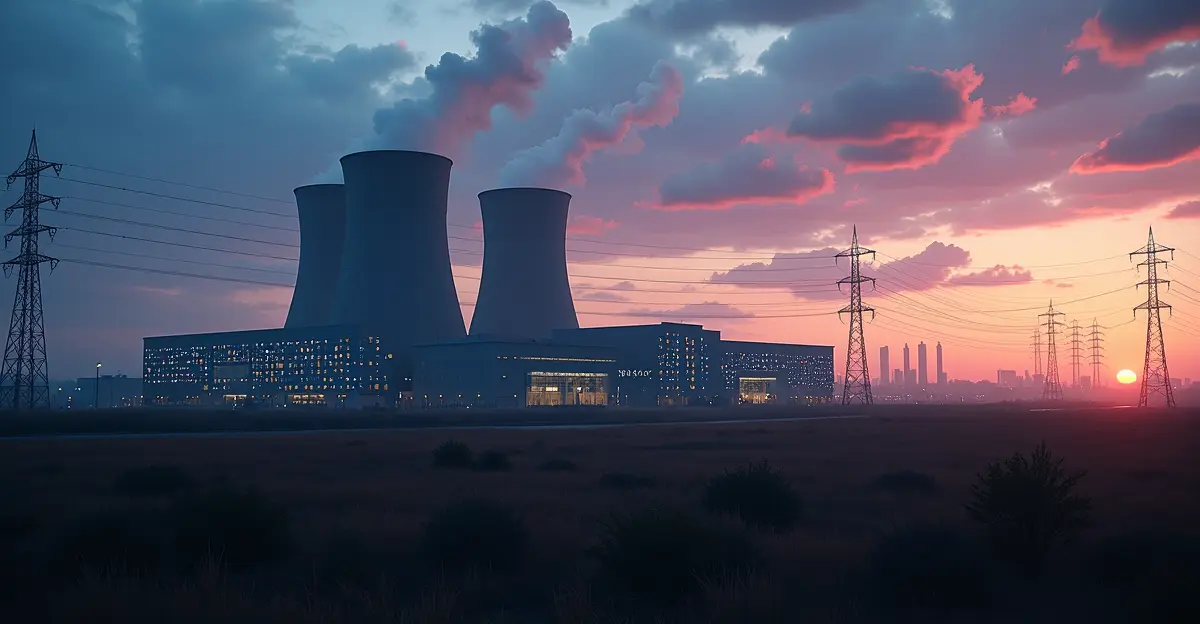
The AI energy paradox describes the fundamental conflict between the computational demands of artificial intelligence systems and the physical limitations of global energy infrastructure. As AI models grow exponentially in size and complexity, their energy requirements increase correspondingly, creating a situation where technological progress threatens to overwhelm existing power grids while simultaneously driving innovation in energy solutions. This paradox manifests in data centers consuming between 4-12% of national electricity in major economies, with projections showing continued rapid growth that could fundamentally reshape global energy markets.
The Scale of Data Center Energy Consumption
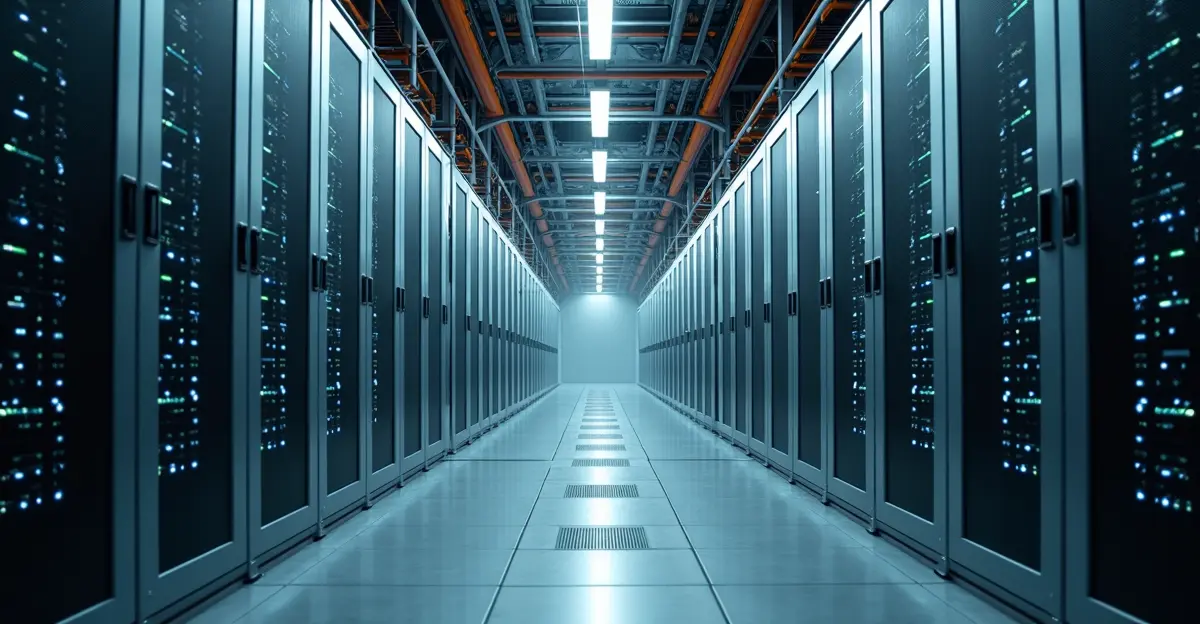
Recent analyses reveal staggering statistics about data center energy use. According to Pew Research Center, U.S. data centers consumed 183 TWh in 2024, equivalent to Pakistan's entire annual electricity demand. The International Energy Agency projects that data centers will drive about one-tenth of global electricity demand growth by 2030, and could account for half of demand growth in some countries. Virginia's data centers alone consumed 26% of the state's total electricity supply in 2023, highlighting the concentrated impact on local grids.
Global Projections and Regional Variations
Globally, data centers currently account for approximately 2% of electricity consumption (536 TWh in 2025), but this is expected to roughly double to 1,065 TWh by 2030. The U.S. Department of Energy projects consumption could reach 325-580 TWh by 2028, representing 6.7-12% of total U.S. electricity. Regional variations are stark: Virginia hosts 643 data centers, Texas 395, and California 319, creating distinct grid challenges in each region.
Grid Stability: The New Reliability Threat
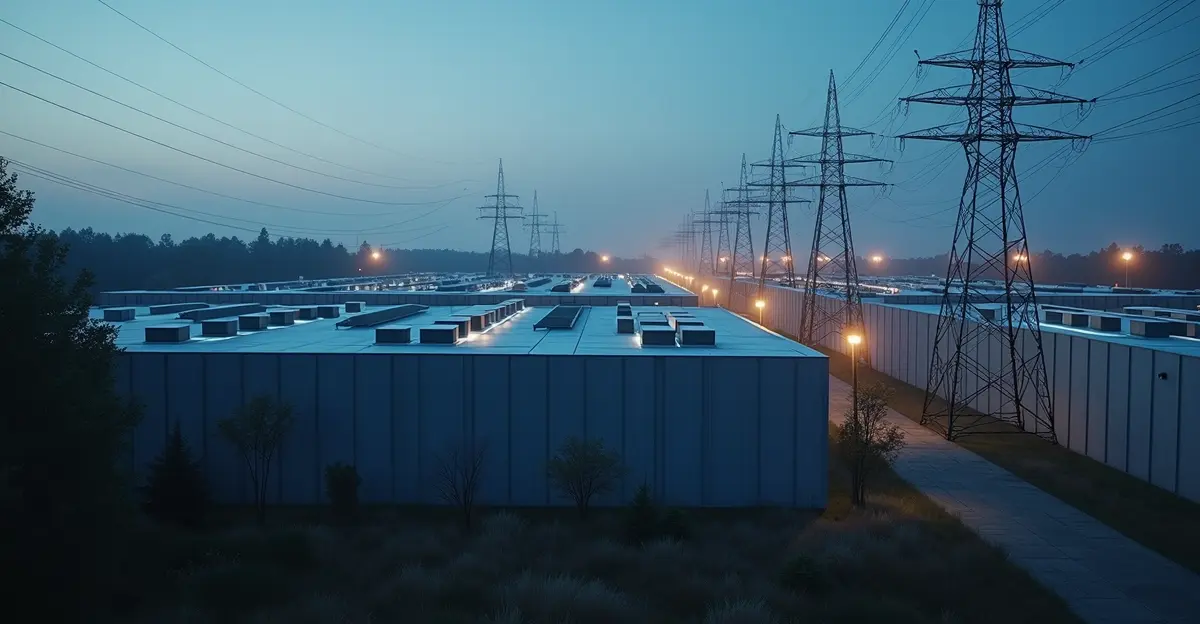
A critical emerging threat involves data centers' potential to destabilize power grids through sudden, simultaneous disconnections. In July 2024, 60 facilities in northern Virginia disconnected simultaneously, removing 1,500 megawatts of demand and creating dangerous frequency overshoots that nearly caused cascading outages. This phenomenon represents a fundamental shift in grid reliability concerns, as traditional worries about excessive demand are now complemented by risks from synchronized digital disconnections.
Utility companies in states like Texas and Pennsylvania are developing contingency plans that could temporarily disconnect large data center facilities during extreme power emergencies to prevent widespread blackouts. The problem stems from data centers' protection systems that prioritize uptime by disconnecting at the first sign of disturbance, regardless of whether the grid needs more or less supply. With data centers projected to consume 17% of U.S. electricity by 2030 (up to 57% in Virginia), this creates systemic reliability risks that current regulatory frameworks don't adequately address.
Geopolitical Competition for Energy Resources
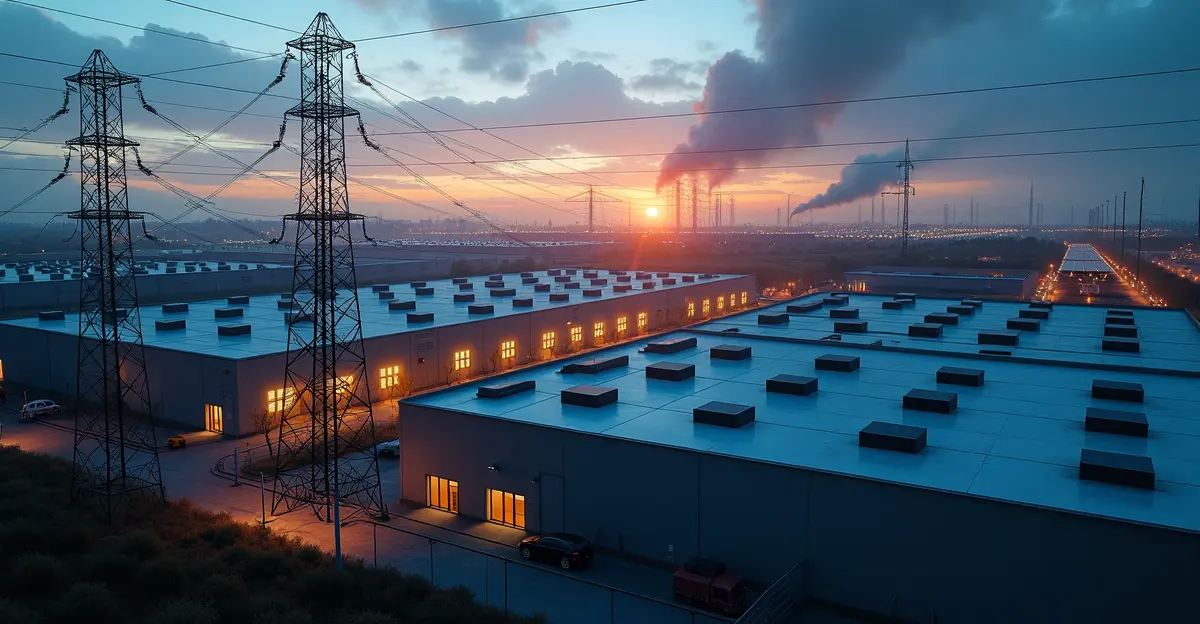
The AI boom is driving intense geopolitical competition for energy resources to power infrastructure. Major tech companies like Amazon, Microsoft, Google, and Meta collectively spent over $200 billion on capital expenditures in 2024, representing a 62% year-over-year increase. This investment surge is creating what some analysts call an 'AI energy tax'—rising electricity bills driven by massive data center energy demands that may be passed to ratepayers.
The EU carbon border tax and similar regulatory frameworks are being tested by this new energy reality. Countries with abundant, affordable energy resources are becoming increasingly attractive for data center development, potentially reshaping global economic geography. The tension between AI development goals and climate commitments is forcing a re-evaluation of energy transition timelines, with some experts warning that the demand surge could accelerate both renewable deployment and fossil fuel reliance simultaneously.
Regulatory Battles and Policy Responses
In March 2026, President Donald J. Trump secured a historic commitment through the Ratepayer Protection Pledge, requiring major AI companies including Amazon, Google, Meta, Microsoft, OpenAI, Oracle, and xAI to fully cover the costs of increased electricity production needed for their data centers. This agreement represents a significant policy response to growing concerns about energy affordability and grid impacts.
Traditional regulatory frameworks are being challenged by the rapid growth of AI infrastructure. The Michigan Association of Planning Commissioners has released analysis examining state laws related to AI data centers, highlighting the need for updated zoning regulations, environmental considerations, and economic development policies. Similar regulatory battles are emerging globally as policymakers grapple with balancing technological competitiveness with grid reliability, consumer costs, and climate goals.
Environmental Implications and Climate Tensions
While data centers currently account for just over 1% of global electricity demand and 0.5% of CO2 emissions, the International Energy Agency estimates their emissions could reach 1-1.4% of global CO2 emissions by 2030. This represents one of the few sectors where emissions are projected to grow alongside road transport and aviation, creating significant tension with global climate commitments.
The industry faces growing pressure to adopt more sustainable power sources while meeting computational needs. AI-optimized racks require 40-60+ kW compared to traditional racks at 5-15 kW, dramatically increasing power density and cooling requirements. The Paris Agreement 2015 established global frameworks that are now being tested by this new energy reality, with some experts questioning whether current climate targets remain achievable given AI's energy demands.
Future Outlook and Industry Responses
The tech industry is responding with multiple strategies: optimizing infrastructure, rethinking chip design, and collaborating with electricity providers to secure sustainable power sources. AI data centers alone could consume over 40% of global data center power by 2026, with their annual consumption reaching 90 TWh. To address these challenges, companies are investing in energy-efficient technologies and carbon-free energy sources, though the scale of demand may require fundamentally new approaches to energy generation and distribution.
The 2025 economic crisis highlighted vulnerabilities in global supply chains that could affect data center development. As the industry continues to expand, questions remain about whether innovation can outpace energy consumption growth, or whether fundamental limits will require rethinking AI development trajectories.
Frequently Asked Questions
How much electricity do data centers currently consume?
U.S. data centers consumed 183 terawatt-hours in 2024, representing over 4% of national electricity consumption. Globally, data centers account for approximately 2% of electricity consumption (536 TWh in 2025), with projections showing this could double to 1,065 TWh by 2030.
What percentage of electricity will data centers use by 2030?
Projections vary, but the U.S. Department of Energy estimates data centers could consume 6.7-12% of total U.S. electricity by 2028. Some regions like Virginia could see data centers consuming over 50% of state electricity by 2030.
How are data centers affecting grid stability?
Data centers create dual grid stability threats: excessive demand during normal operations and sudden disconnections during disturbances. The July 2024 incident in Virginia where 60 data centers disconnected simultaneously removed 1,500 MW of demand, nearly causing cascading outages.
What is the 'AI energy tax'?
The 'AI energy tax' refers to rising electricity bills driven by massive data center energy demands that may be passed to residential and commercial ratepayers as utilities expand capacity to meet growing computational needs.
How are governments responding to data center energy demands?
Governments are implementing various policies including the Ratepayer Protection Pledge (U.S., 2026), updated zoning regulations, and requirements for companies to cover infrastructure expansion costs. Regulatory frameworks are evolving to balance technological development with grid reliability and climate commitments.


Follow Discussion