


 Deutsch
 English
 Español
 Français
 Nederlands
 Português


 Share
Share




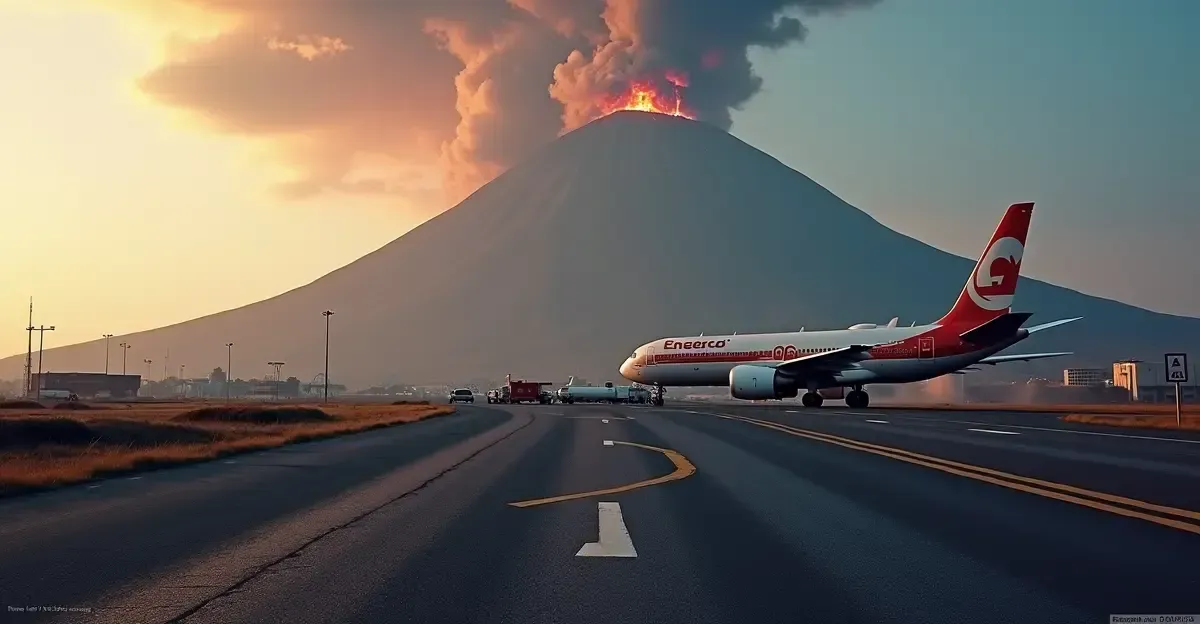
Jakarta's Soekarno-Hatta International Airport reopened on Tuesday, 8 September 2026, after volcanic ash from the Anak Krakatau eruption cleared, restoring flights for more than 341,000 stranded travelers across Indonesia.
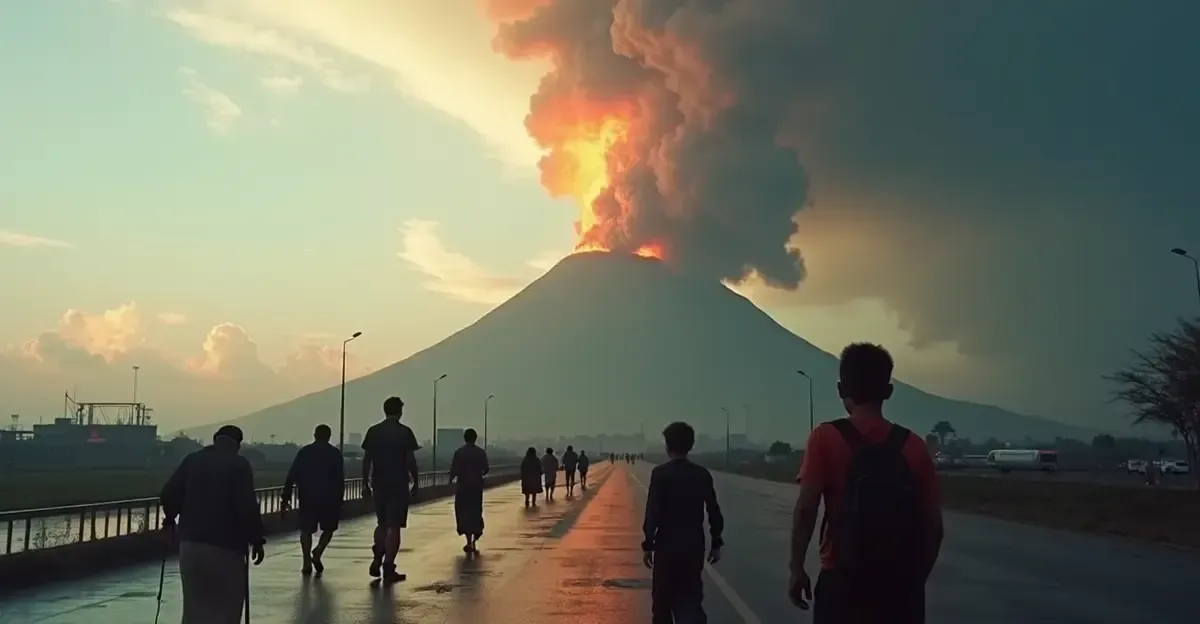
The volcano, located in the Sunda Strait between Java and Sumatra about 150 km from Jakarta, began a powerful eruption late Friday that forced eight airports to close and disrupted 2,961 flights, according to Transport Minister Dudy Purwagandhi.
What happened at Anak Krakatau?
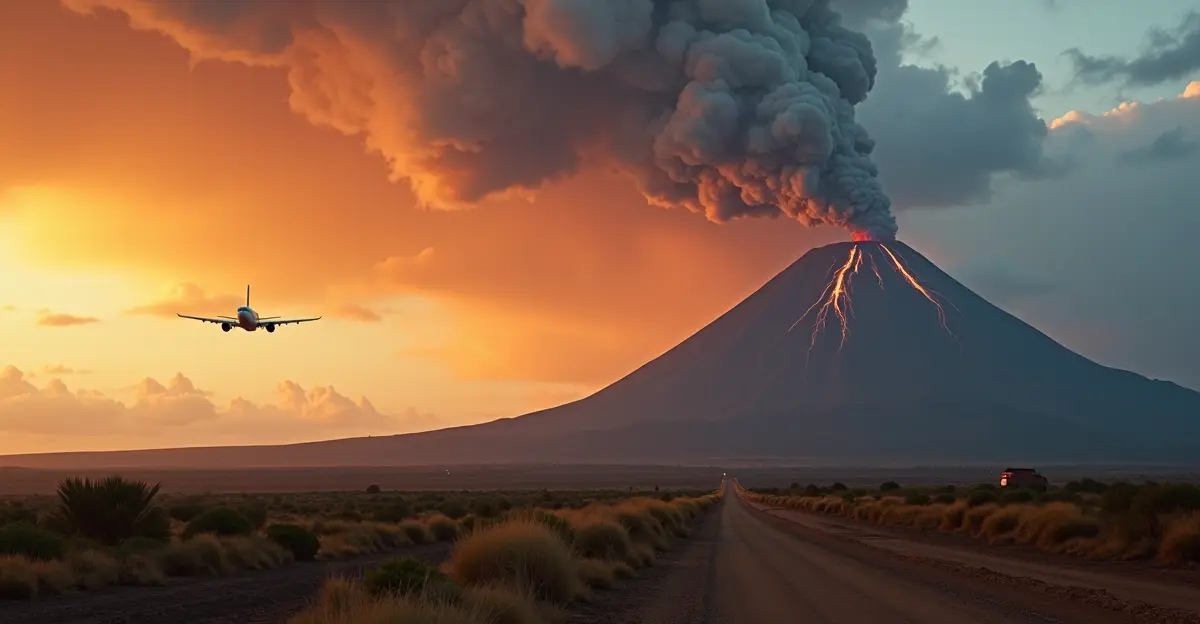
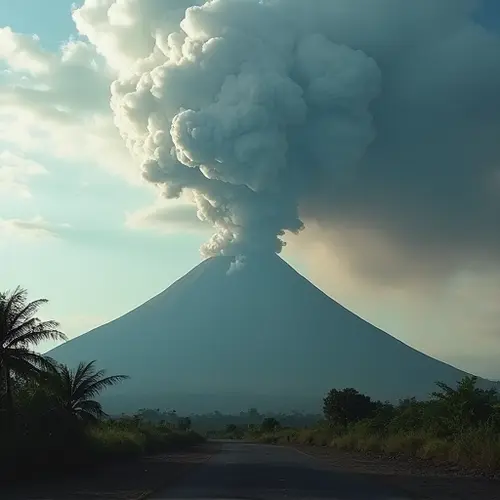
Anak Krakatau — “child of Krakatau” — has been on Level III (Siaga) alert since 2 July 2026. The volcano entered a continuous lava-fountaining phase at 23:07 WIB on Friday 4 September, producing satellite-detected ash reaching roughly 15 km altitude, the strongest activity of the year.
The Pacific Ring of Fire makes Indonesia home to about 130 active volcanoes. Anak Krakatau itself emerged in 1927 from the caldera left by the catastrophic 1883 Krakatau eruption that killed more than 36,000 people.
Which airports reopened and when?
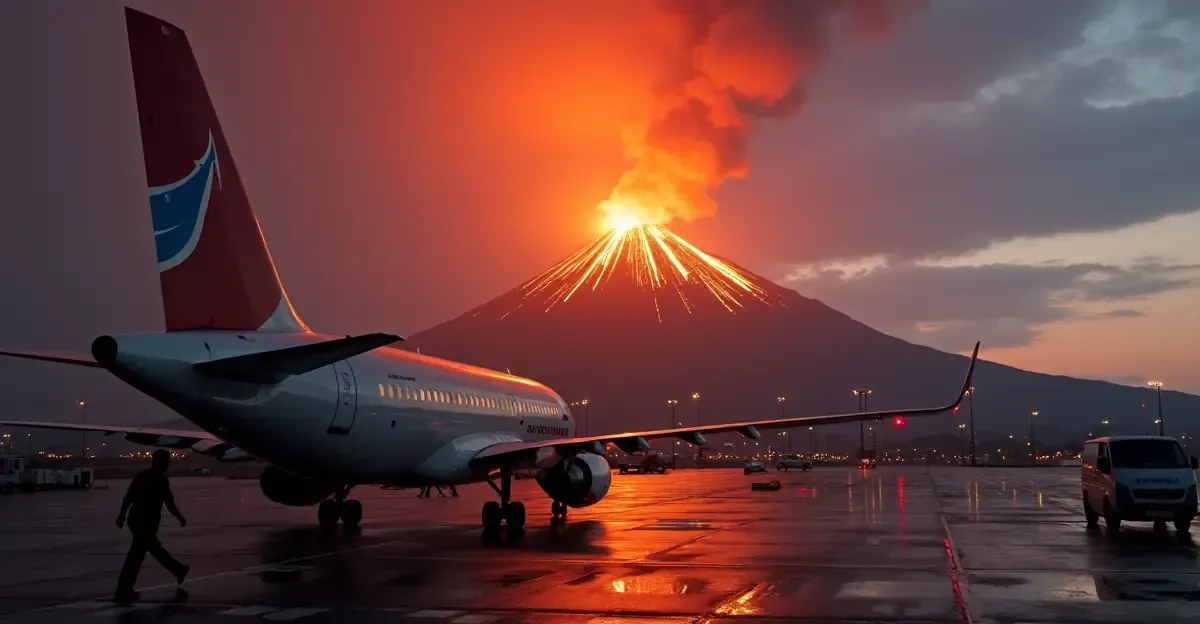
Five of the eight closed airports resumed operations on Tuesday after winds pushed the ash clouds away, officials said. In addition to Soekarno-Hatta, Halim Perdanakusuma in Jakarta and Hussein Sastranegara in Bandung reopened. Two airports remain closed.
“We still have to check whether the 178 aircraft stranded at Soekarno-Hatta can safely take to the air,” Purwagandhi said, noting that preparing the aircraft could take some time.
Flight disruptions by the numbers
- 2,961 flights delayed, diverted or cancelled
- 341,000+ travelers affected
- 8 airports closed at the peak
- 178 aircraft awaiting inspection at Soekarno-Hatta
- 624 flights delayed at Soekarno-Hatta alone, affecting about 75,236 passengers
Why does volcanic ash ground flights?
Volcanic ash is a serious hazard to aviation. It can melt inside jet engines, block sensors and reduce visibility, which is why authorities suspended operations as a safety precaution. The Indonesia volcano monitoring system has been on high alert as activity continues.
Impact and what happens next
Travel disruptions rippled across the region. Singapore Airlines cancelled 18 flights on Monday and retimed six for Tuesday morning. The ministry prepared six alternative airports for diverted aircraft. With volcanic ash aviation safety protocols still in place, full recovery may take days.
Anak Krakatau erupted three more times Tuesday morning and remains at alert level 3, so further disruption cannot be ruled out. Expert Benoit Taisne of Nanyang Technological University said the volcano is currently too small to trigger a tsunami like the deadly 2018 event, but it could erupt again within days or weeks.
FAQ
Is Jakarta airport open now?
Yes, Soekarno-Hatta reopened on Tuesday 8 September 2026, along with four other airports.
How many flights were affected by the Anak Krakatau eruption?
2,961 flights were delayed, diverted or cancelled, affecting more than 341,000 travelers.
Why were airports closed?
Volcanic ash can damage jet engines and reduce visibility, so eight airports closed as a safety measure.
Will Anak Krakatau erupt again?
Yes, the volcano erupted three more times Tuesday and remains on alert level 3, so further activity is possible.
Follow Discussion