


 Deutsch
 English
 Español
 Français
 Nederlands
 Português


 Share
Share




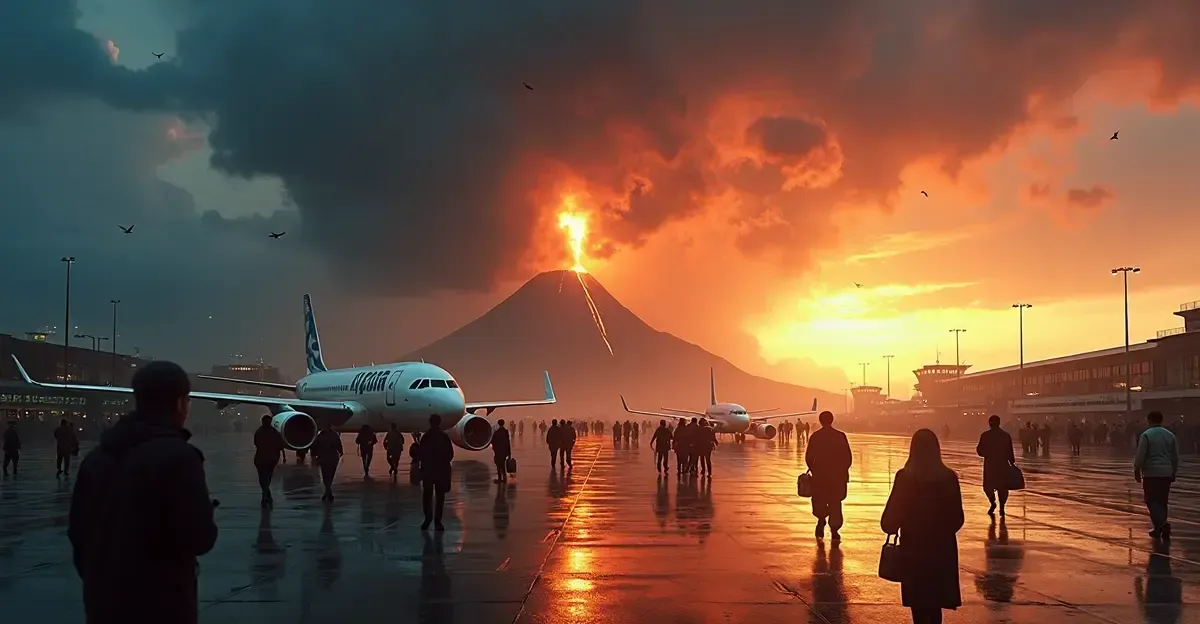
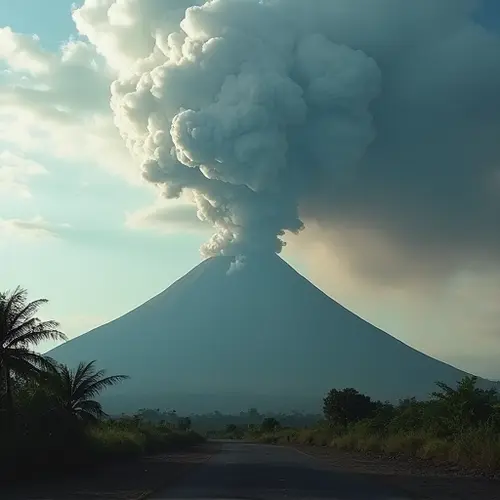
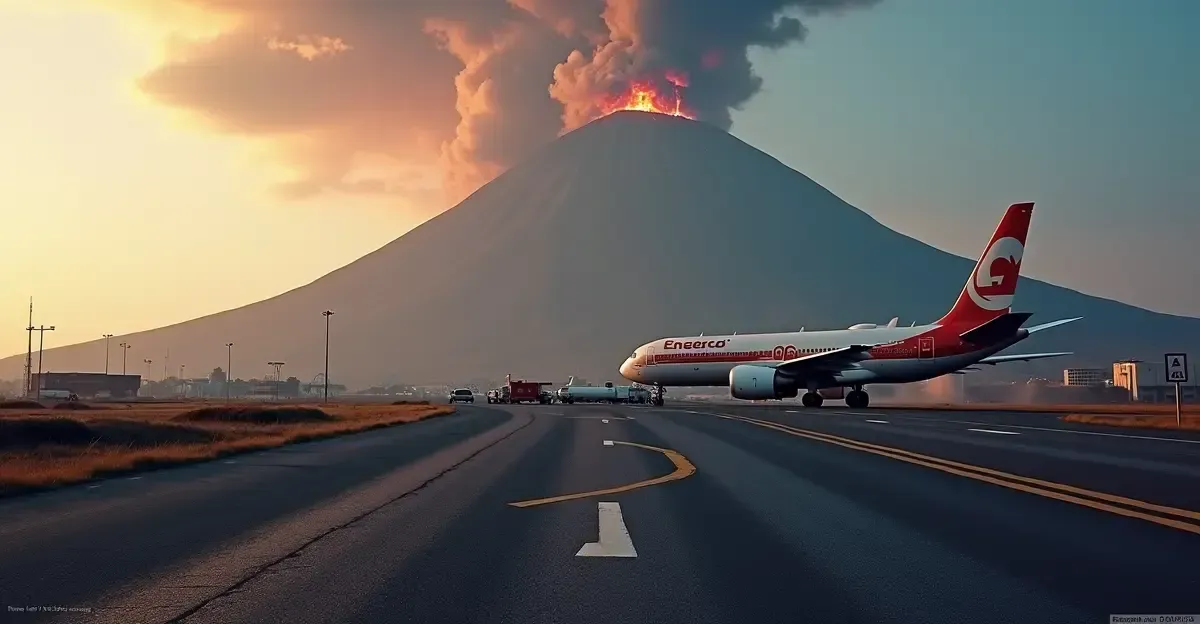
Sicily's Catania Airport remained closed for a second week on Friday, 14 August 2026, as the ongoing Etna eruption continued to blanket eastern Sicily in volcanic ash and severely disrupt air traffic. The closure has already grounded hundreds of flights and forced airlines including KLM and Transavia to divert passengers to Palermo, roughly three hours away by road.
Why is Catania Airport closed because of the Etna eruption?
Mount Etna, Europe's most active volcano, began stirring again about a week ago and has remained restless ever since. Although volcanologists describe the current Etna eruption as relatively small, persistent ash emissions have made flying unsafe. Catania's Fontanarossa Airport has extended its closure several times and now remains shut until at least 02:00 local time, with no departures or arrivals permitted. This is not the first time volcanic ash has disrupted European air travel, but the prolonged wind conditions are unusual.
The Italian Institute of Geophysics and Volcanology (INGV) says activity has decreased slightly, yet the wind direction has been unfavourable, keeping the ash cloud over the airport. The only certainty we have is that there are no certainties, INGV director Stefano Branca told reporters.
How airlines are responding to the Etna eruption flight cancellations
Hundreds of flights have been cancelled, while many others have been rebooked onto alternative Sicilian airports such as Comiso and Palermo. KLM is flying to Palermo and transporting travellers by bus to Catania, a journey of around three hours. Passengers who were due to return from Catania are being rebooked as quickly as possible onto available alternatives on other airlines, KLM said. However, the carrier warned that rebooking options are limited because of holiday-season demand and constrained capacity, and affected travellers should expect delays of three to four extra days.
Transavia has also shifted operations to Palermo, with passengers bussed onward to Catania. On Friday, one Transavia flight was cancelled outright because Palermo had run out of capacity. The disruption shows how quickly holiday travel can be derailed by natural events during peak season.
Airline-by-airline situation
- KLM: flies to Palermo; buses to Catania; warns of 3-4 day rebooking delays.
- Transavia: diverted to Palermo; buses to Catania; one flight cancelled due to no capacity.
- Other carriers: rebooking to Comiso or Palermo where possible.
Economic impact: Etna eruption tourism losses mount
The financial damage to Sicily's vital tourism sector is mounting. Italian trade association Assoesercenti estimates losses so far at between 12 million and 24 million euros. Tens of thousands of travellers have been forced to cancel or change their plans during the peak summer holiday period. The Etna eruption has hit hotels, restaurants and tour operators already coping with a busy season. Travellers may also want to review volcanic ash travel insurance advice before rebooking.
What happens next with the Etna eruption?
INGV cannot say when Etna will calm down. While activity has decreased slightly, the ash cloud and unfavourable winds continue to force repeated extensions of the flight ban. Travellers are advised to check with their airline and monitor official updates before heading to the airport.
FAQ: Etna eruption and Catania Airport closure
Why is Catania Airport closed?
The airport is closed because volcanic ash from the Etna eruption poses a safety risk to aircraft, and wind conditions have kept ash over the runway and surrounding airspace.
How long will Catania Airport stay closed?
The closure currently runs until at least 02:00 local time, but it has already been extended several times and could be extended again depending on the Etna eruption activity and wind direction.
What should affected passengers do?
Contact your airline for rebooking options. KLM and Transavia are using Palermo, with bus transfers to Catania. Expect delays of three to four days during the busy holiday period.
Is it safe to travel to Sicily right now?
Much of Sicily remains open, but flights to Catania are severely disrupted. Travellers should monitor airline and INGV updates on the Etna eruption.
Follow Discussion