


 Deutsch
 English
 Español
 Français
 Nederlands
 Português


 Share
Share




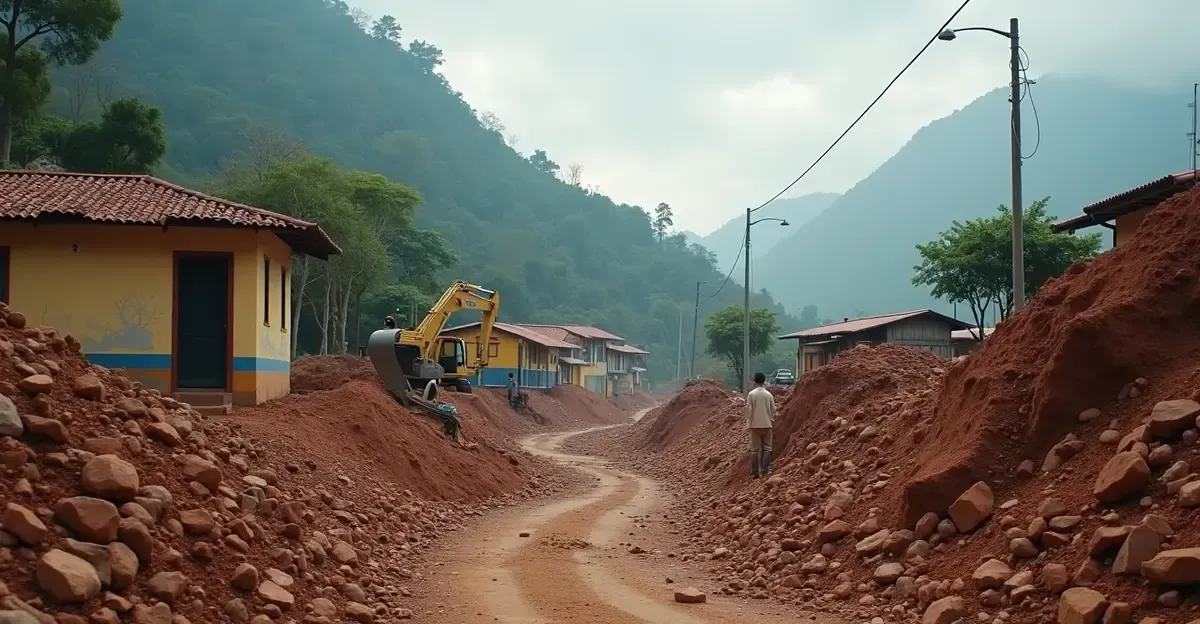
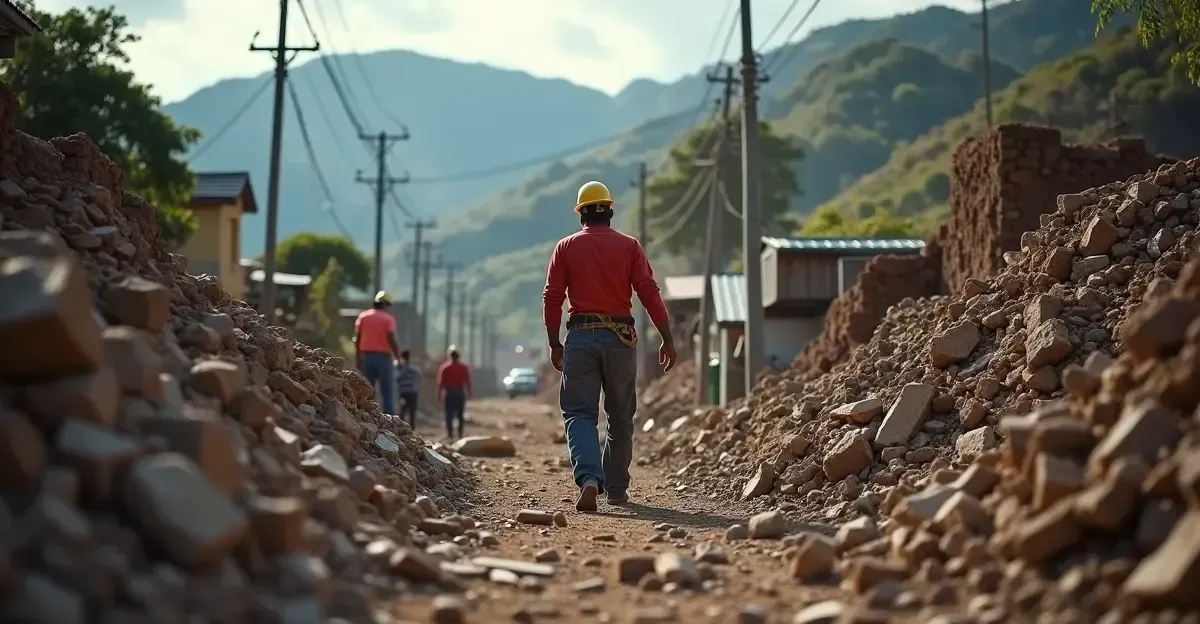
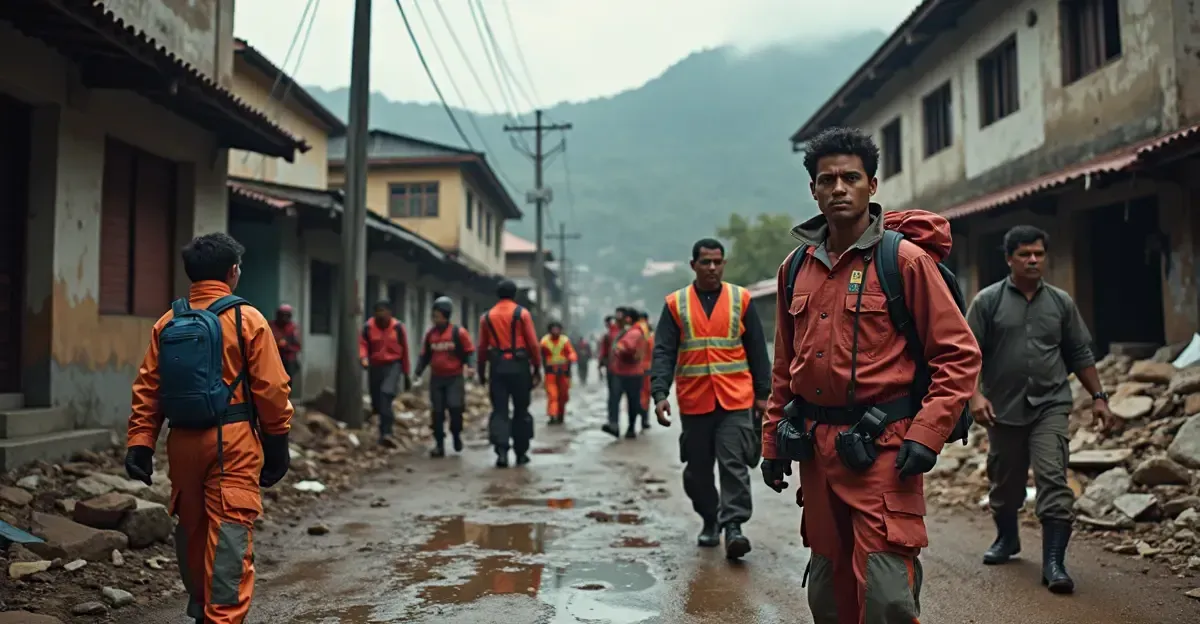
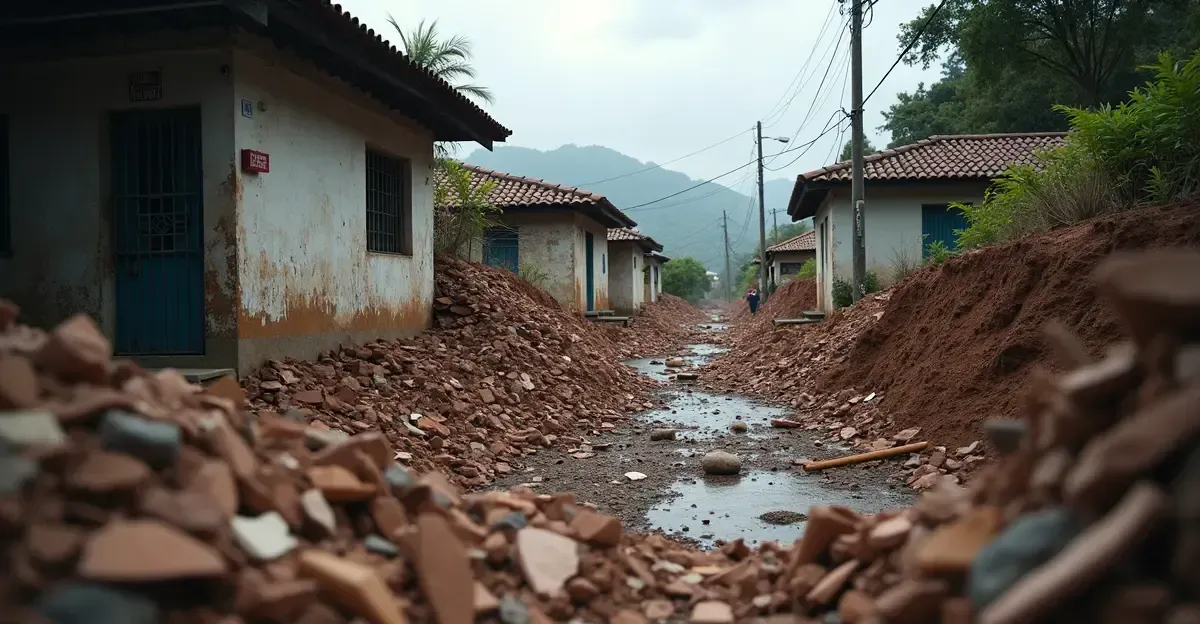
A powerful 7.4 magnitude earthquake struck western Colombia on Monday, August 10, 2026, at 07:34 local time, leaving at least 224 people dead, more than 3,000 missing, and hundreds injured, according to local authorities. The quake, the strongest to hit the country in a decade, was centered near San José del Palmar in the department of Chocó, a remote and impoverished region, and triggered at least 33 aftershocks. The government has declared a national emergency as rescue workers, military personnel, and volunteers race against time to find survivors trapped under the rubble.
Epicenter and Tectonic Background
The earthquake originated at a depth of approximately 110 kilometers within the subducting Nazca plate, making it an intermediate-depth event caused by strike-slip faulting. The United States Geological Survey (USGS) recorded a maximum Modified Mercalli Intensity of VIII (Severe), with shaking felt as far away as Ecuador, Panama, and Venezuela. According to the USGS PAGER system, a 'red alert' was issued, indicating widespread severe impact was likely. Approximately 1.2 million people were exposed to severe shaking, while over 16 million experienced moderate tremors. The event has drawn comparisons to the devastating 1999 Armenia earthquake which killed nearly 1,200 people in Colombia's coffee axis region.
Scale of Destruction in Major Cities
Pereira: 'The City Collapsed Around Us'
The city of Pereira, capital of Risaralda department with a population of approximately 590,000, was among the hardest hit. Entire residential blocks collapsed, reducing multi-story apartment buildings to piles of concrete and twisted metal. At least 60 deaths have been confirmed in the city alone. 'It was unbelievable to see, the city collapsed around us,' eyewitness Mónica Sánchez told the Associated Press.
Cali: Hospital Sections Destroyed
In Cali, a city of over 2 million people located roughly 250 kilometers from the epicenter, dozens of buildings collapsed, including critical sections of a hospital's pediatric and neonatal wards. At least 85 people died in Cali, with 188 reported missing. Dutch resident Tom Lobo (73), who was woken by the shaking, described the chaos: 'Everything around me started spinning and moving. Then I heard an enormous noise for about 30 seconds.' Lobo criticized local construction standards, saying, 'They build unbelievably poorly here. No building would get a construction permit in the Netherlands.'
Chocó: Isolation Hampering Rescue Efforts
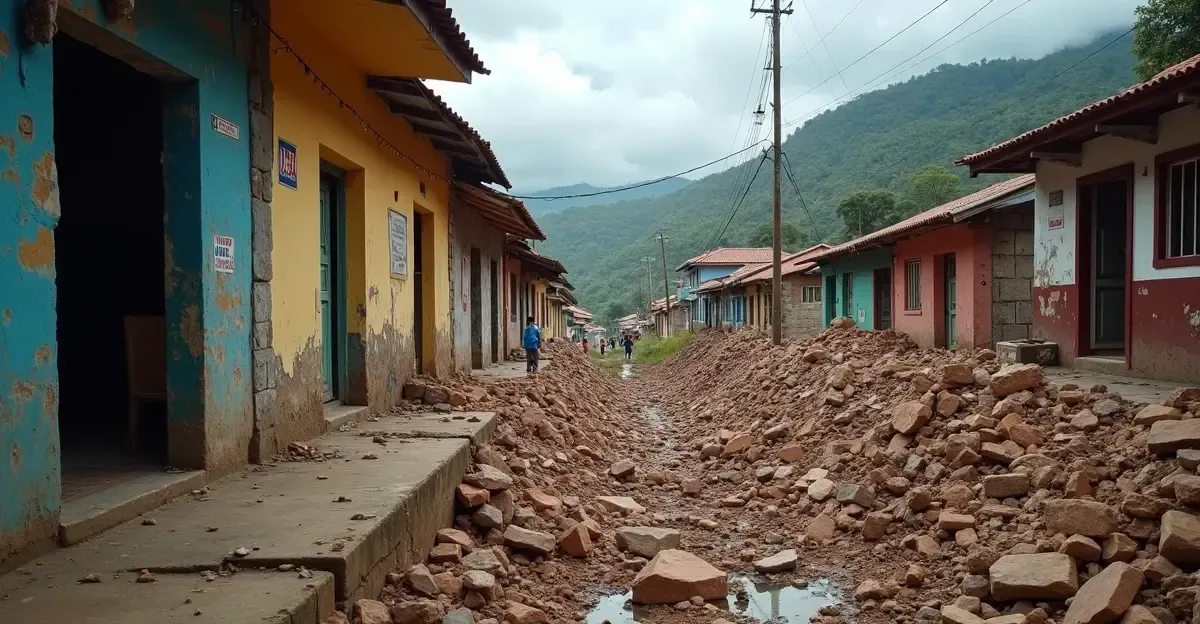
The situation in Chocó department remains unclear due to its mountainous terrain and poor infrastructure. Some villages are accessible only by boat, through dense jungle, or by small aircraft, significantly slowing the delivery of aid and the evacuation of the wounded. Chocó is among Colombia's poorest regions and was already reeling from armed conflict and poverty before the disaster struck, compounding the humanitarian challenge. The Venezuela earthquake disaster 2026 that killed over 6,300 people in late June had already stretched regional response capacities, though geologists confirm no tectonic link between the two events.
Government Response and New Leader's First Crisis
The disaster is the first major test for President Abelardo de la Espriella, who was inaugurated on Friday, August 7, just three days before the earthquake. De la Espriella, a conservative lawyer and businessman who won the presidency by the narrowest margin in Colombian history, said he has mobilized the full military and police apparatus. A curfew was imposed in Cali, and seven airports—including El Edén in Armenia and Matecaña in Pereira—suspended operations for safety inspections. At least 86 buildings have collapsed nationwide, with nearly 5,000 homes damaged and over 550 schools, 24 health facilities, and 350 community centers affected, according to UN reports.
International Aid Mobilized
The international community has responded swiftly. The United States committed $15.5 million in emergency assistance, while the European Union activated its Copernicus satellite service to map the damage and support rescue operations. Ecuador, Mexico, and Brazil have also offered aid. The United Nations is redirecting pre-positioned emergency supplies and staff, prioritizing shelter, health, food security, and protection. 'The needs are deepening by the hour,' said Nicole Kast, Country Director of the International Rescue Committee (IRC), which has operated in Colombia since 2018. 'This quake struck a region already confronting extreme poverty and displacement.' The IRC had placed Colombia on its 2026 Emergency Watchlist due to escalating internal conflict and the strain of hosting nearly 3 million Venezuelan refugees.
Frequently Asked Questions
What caused the 2026 Colombia earthquake?
The earthquake was caused by strike-slip faulting within the subducting Nazca plate beneath South America. It occurred at an intermediate depth of 110 km, which is typical for seismic events in this region, where the oceanic plate slides beneath the continental plate.
How does this earthquake compare to past Colombian quakes?
This was the strongest earthquake in Colombia since 2012, surpassing the 1999 Armenia earthquake (magnitude 6.2, ~1,200 deaths). However, it is less deadly than the 1868 Ecuador-Colombia earthquake, which caused an estimated 70,000 fatalities. The deep hypocenter likely limited surface shaking compared to shallower events.
Is there a risk of tsunamis?
No. Because the earthquake occurred inland and at significant depth, there is no tsunami risk. However, landslides in the mountainous Chocó region pose a secondary hazard, complicating access for rescue teams.
How can I help Colombia earthquake victims?
Established organizations such as the Colombian Red Cross, UNICEF, UNHCR, and the International Rescue Committee are accepting donations for relief efforts. The Colombian government has also set up official channels for financial contributions. Experts advise against sending unsolicited goods, which can clog supply chains.
Follow Discussion