


 Deutsch
 English
 Español
 Français
 Nederlands
 Português


 Share
Share




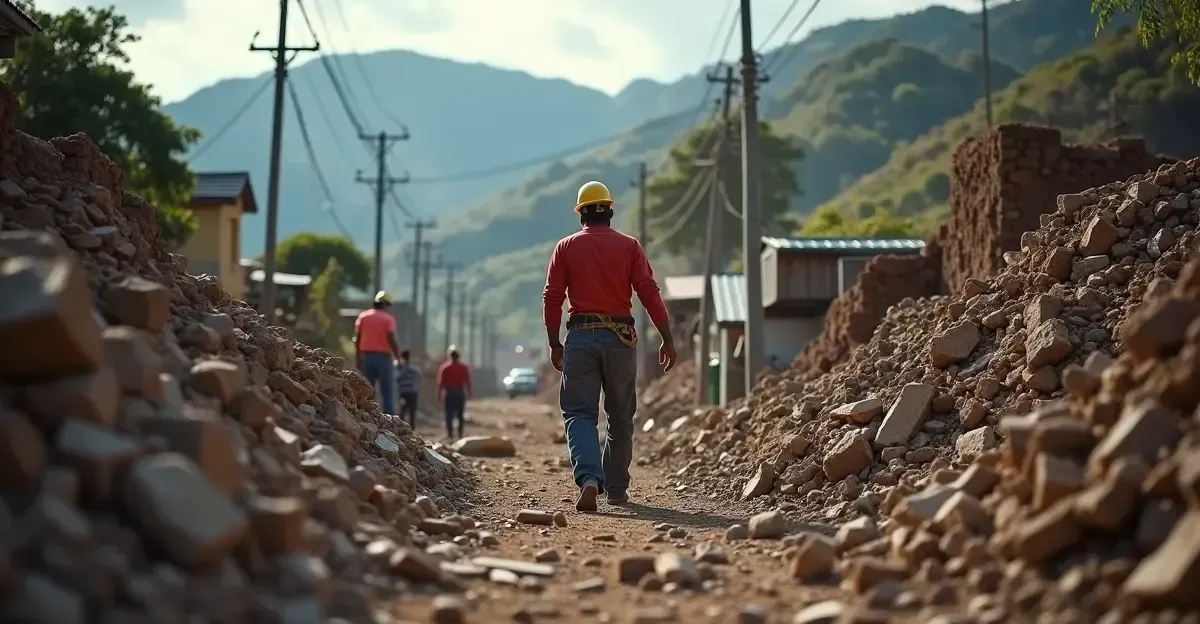
The death toll from the devastating 7.4-magnitude earthquake that struck western Colombia on Monday has risen to at least 111, President Abelardo de la Espriella confirmed. At least 87 people have been injured and dozens of buildings have collapsed, with rescue workers racing against time to find survivors trapped under rubble. The quake, the strongest to hit the country in a decade, has prompted a national emergency declaration and a massive international aid response.
Earthquake Strikes Western Colombia
The powerful tremor struck at 7:34 a.m. local time on August 10, 2026, with its epicenter located near San José del Palmar in the Chocó department, about 240 km west of Bogotá. The U.S. Geological Survey (USGS) reported a depth of approximately 107 km, which helped limit surface damage compared to shallower quakes. Nevertheless, shaking lasted for nearly two minutes and was felt across the entire country, as well as in neighboring Panama, Ecuador, and Venezuela.
Seismic Details and Impact
The Colombian Geological Survey confirmed the earthquake was the highest magnitude recorded in the country in the past ten years. The event was followed by multiple aftershocks, including magnitudes of 2.8 and 4.8, raising fears of further structural collapses. Colombia's location on the Pacific Ring of Fire makes it highly susceptible to seismic activity, with the Nazca plate subduction zone being a primary source of major earthquakes in the region.
Casualties and Damage Across Multiple Regions
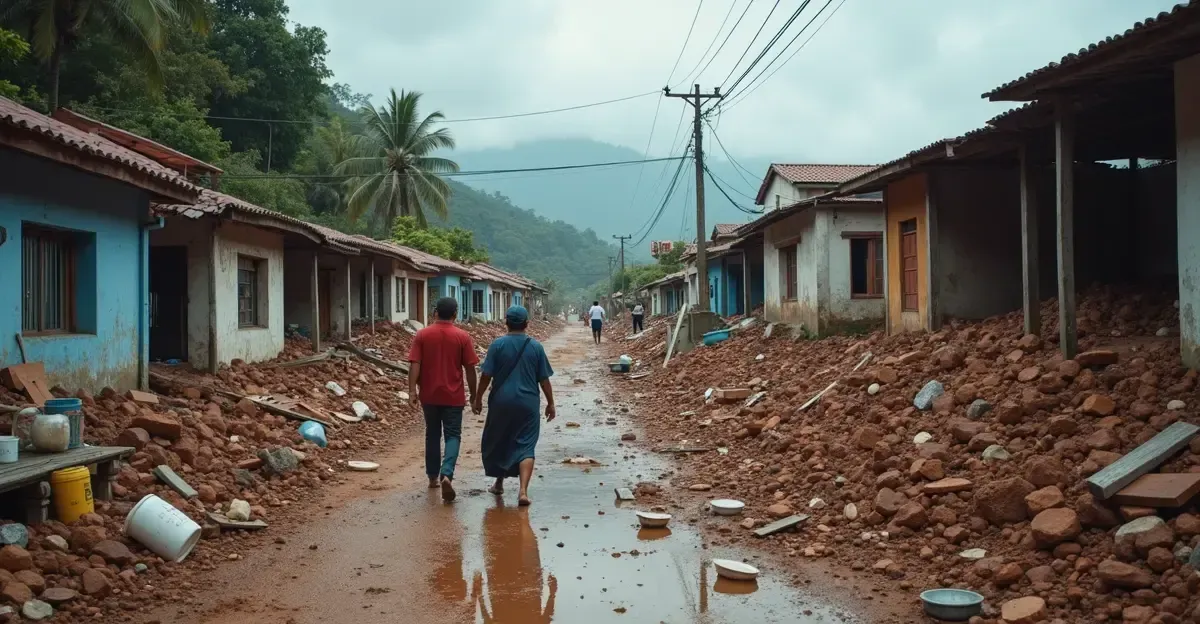
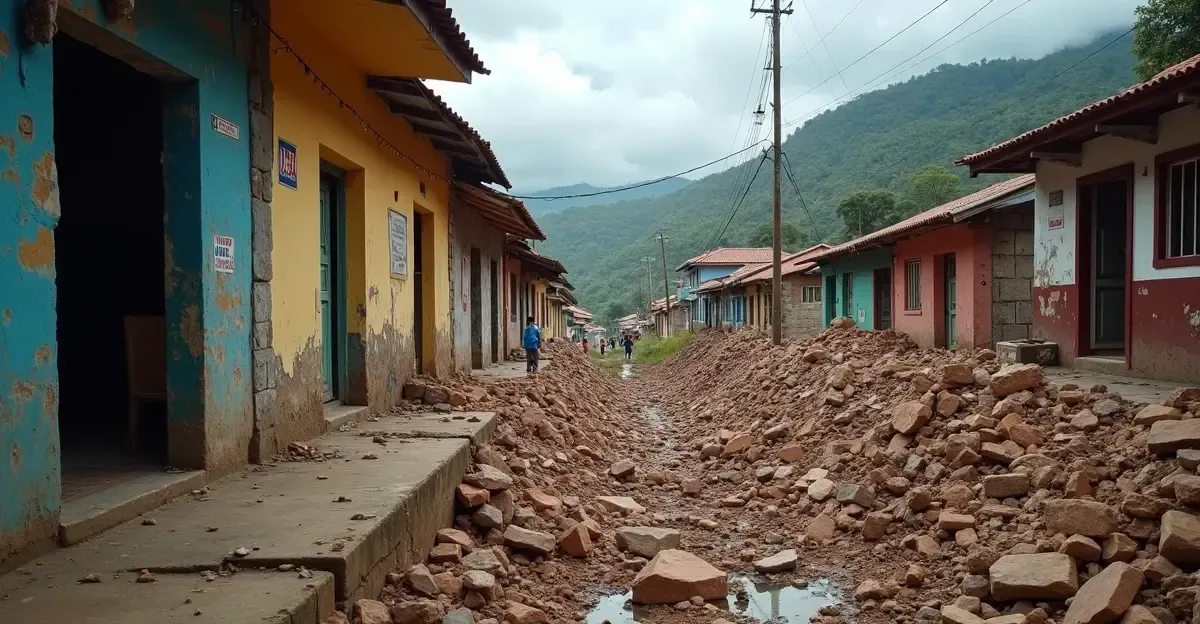
More than twenty municipalities have been affected, with the worst-hit areas including Pereira, Valle del Cauca, Manizales, and Quibdó. In Pereira alone, at least 60 people lost their lives, while Valle del Cauca reported 42 deaths, including 15 in the city of Cali. Hundreds of homes collapsed, and critical infrastructure suffered severe damage. The governor of the Valle del Cauca region reported that at least 30 buildings collapsed in Cali, including a hospital where patients were trapped under the debris. “All but one have now been evacuated,” she wrote on X.
Cali Hospital Collapse and Airport Closures
The collapse of the hospital in Cali has become one of the most harrowing symbols of the disaster. Rescue teams worked throughout the day to extract trapped patients and staff. Meanwhile, airports in at least six cities, including Cali and Pereira, suspended operations due to runway damage, complicating the delivery of aid. More than 2 million people experienced “very strong” shaking, according to USGS intensity maps.
National Emergency and International Response
President Abelardo de la Espriella, who took office just three days before the earthquake, declared a national disaster and personally took charge of the rescue and relief operations. The newly inaugurated president convened the National Committee for Disaster Management and established a Unified Command Post in Chocó. “I am assuming direct leadership of the rescue and aid operation in the affected areas,” De la Espriella stated.
President De la Espriella's Crisis Leadership
The ultra-right leader, who was sworn in on Friday, faces an immediate test of his crisis management abilities. International agencies and governments have rallied to support Colombia. Ecuador offered a 47-member search-and-rescue team, while El Salvador and Mexico pledged assistance. The European Union activated its Copernicus satellite service to provide emergency mapping. “Europe stands with Colombia at this difficult time,” said European Commission President Ursula von der Leyen.
What Comes Next? Rescue and Recovery Efforts
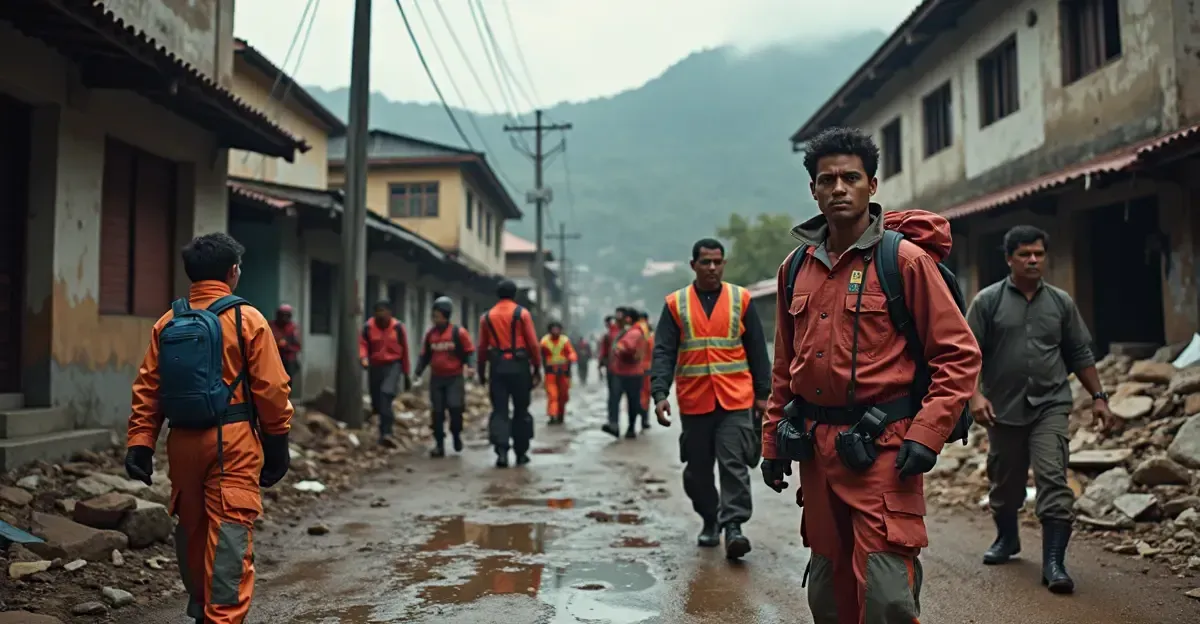
With more than 2,000 people still missing, the focus remains on search-and-rescue operations. The Colombian Red Cross and International Rescue Committee have deployed teams to the hardest-hit areas. However, damaged roads and communications outages are hampering efforts. The devastating Venezuela earthquakes of June 2026, which killed over 6,300 people, provide a grim reminder of the region's vulnerability and the long road to recovery that lies ahead.
Frequently Asked Questions
What caused the Colombia earthquake?
The 7.4-magnitude earthquake was triggered by strike-slip faulting within the subducting Nazca tectonic plate beneath South America. This intermediate-depth quake, about 110 km deep, is typical for the region and resulted in widespread shaking across Colombia and neighboring countries.
How many people died in the Colombia earthquake?
As of the latest reports, at least 111 people have been confirmed dead, with more than 620 injured and over 2,100 missing. The numbers are expected to rise as rescue efforts continue.
Which areas were most affected?
The departments of Chocó, Risaralda, Valle del Cauca, Caldas, and Antioquia suffered the most damage. Cities like Pereira, Cali, Manizales, and Quibdó reported collapsed buildings, fatalities, and infrastructure outages.
Is international aid being provided?
Yes. Ecuador, El Salvador, Mexico, and the United States have offered rescue personnel and equipment. The EU's Copernicus satellite system is providing emergency mapping support, and humanitarian organizations are mobilizing relief supplies.
How strong was the aftershock?
Aftershocks of magnitude 2.8 and 4.8 have been recorded following the main quake. While less powerful, these tremors pose a risk of further collapses to already weakened structures.


Follow Discussion