


 Deutsch
 English
 Español
 Français
 Nederlands
 Português


 Share
Share




Four days after a powerful Colombia earthquake struck the country's western region, President Abelardo De la Espriella has declared an economic state of emergency. The magnitude 7.4 quake has killed at least 265 people, with more than 4,000 listed as missing on citizen-maintained registries and at least 3,500 injured, according to government figures.
What happened in the Colombia earthquake?
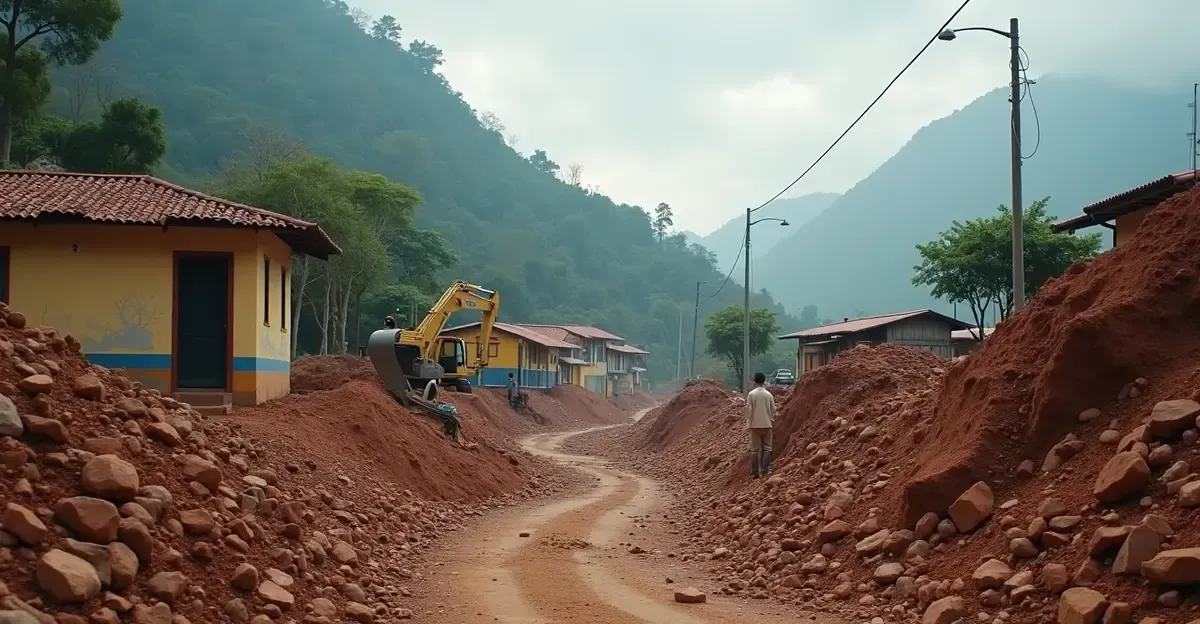
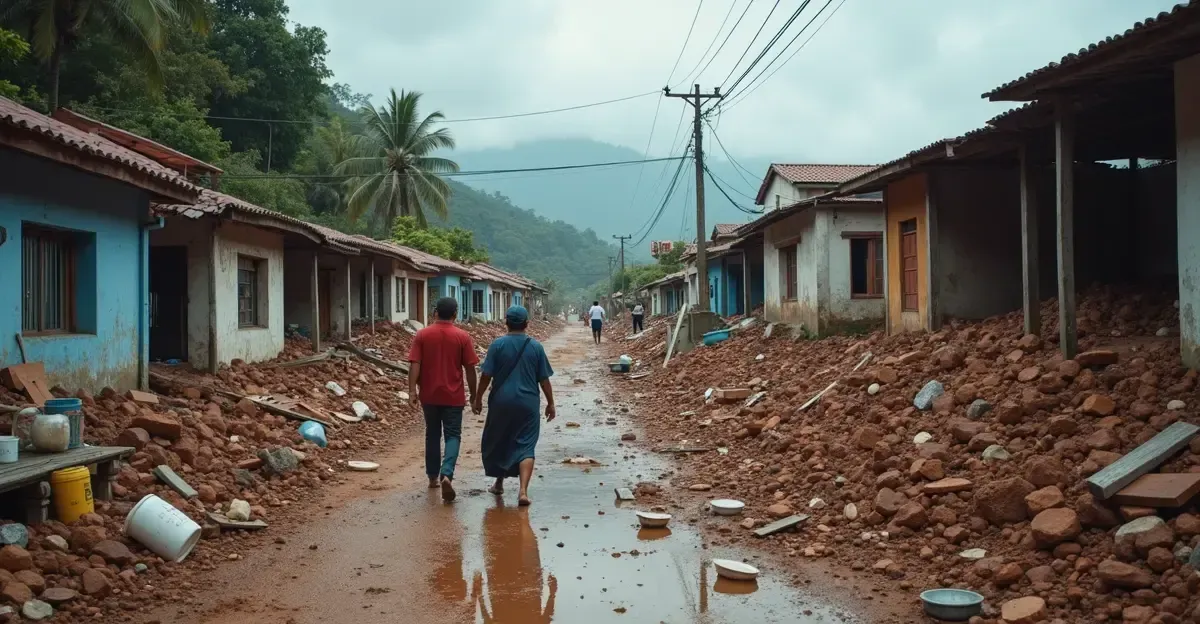
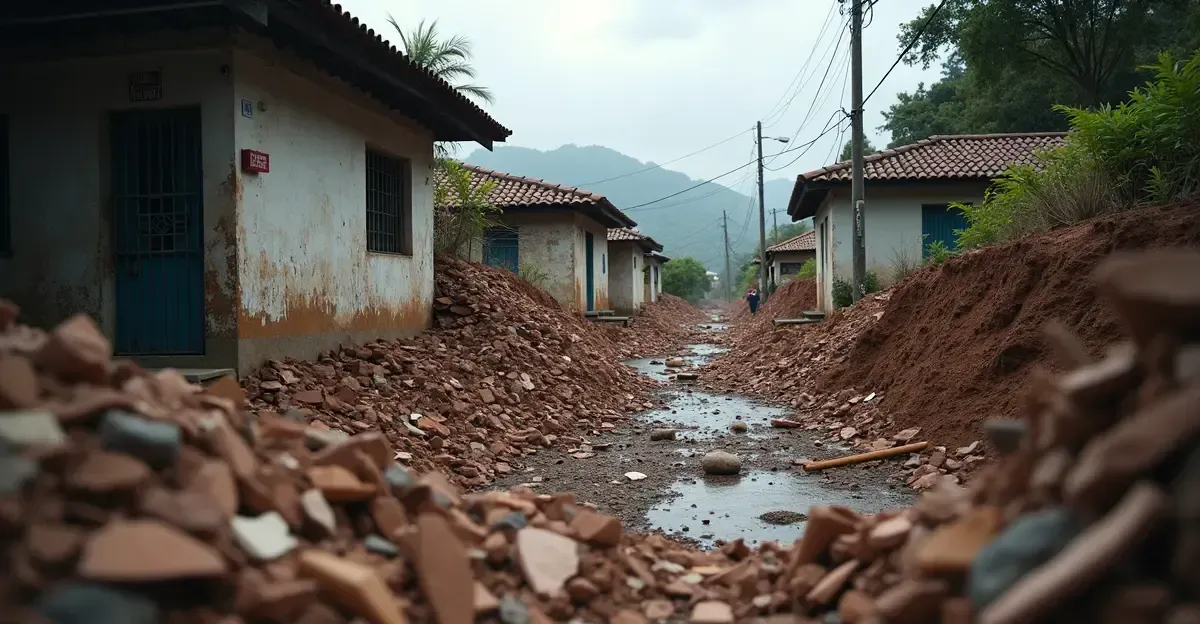
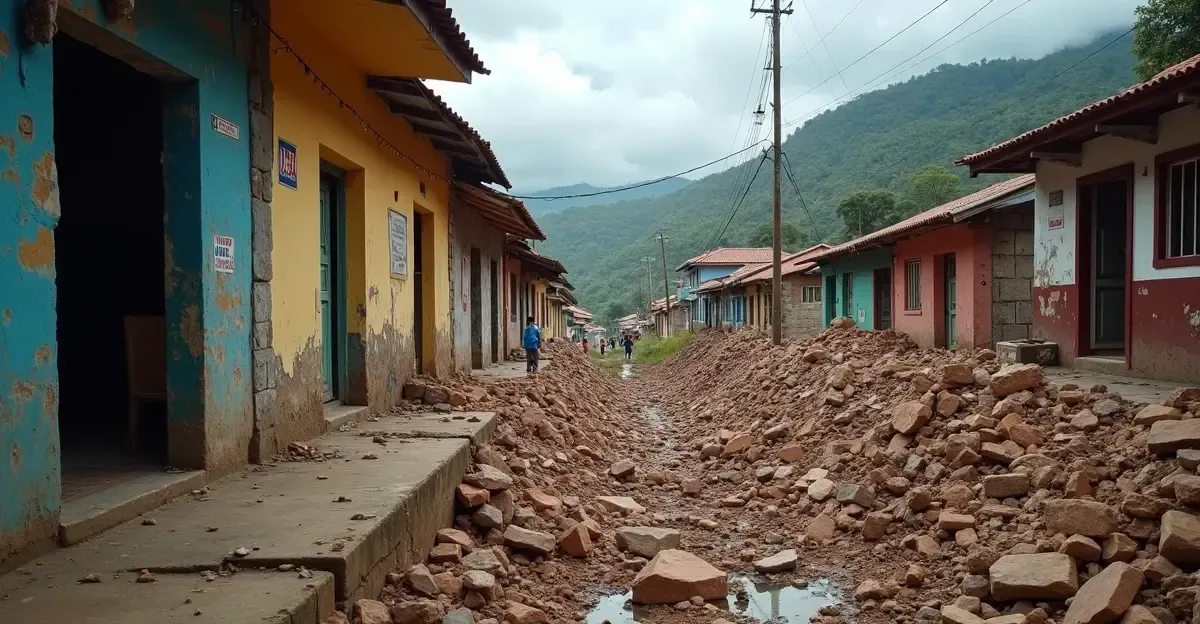
The earthquake struck on Monday, August 10, 2026, with its epicenter near San José del Palmar in the Chocó department. The USGS recorded the event at magnitude 7.4, classifying it as a major shallow earthquake. The Chocó region earthquake damage has been severe, with homes, hospitals and schools destroyed across several municipalities.
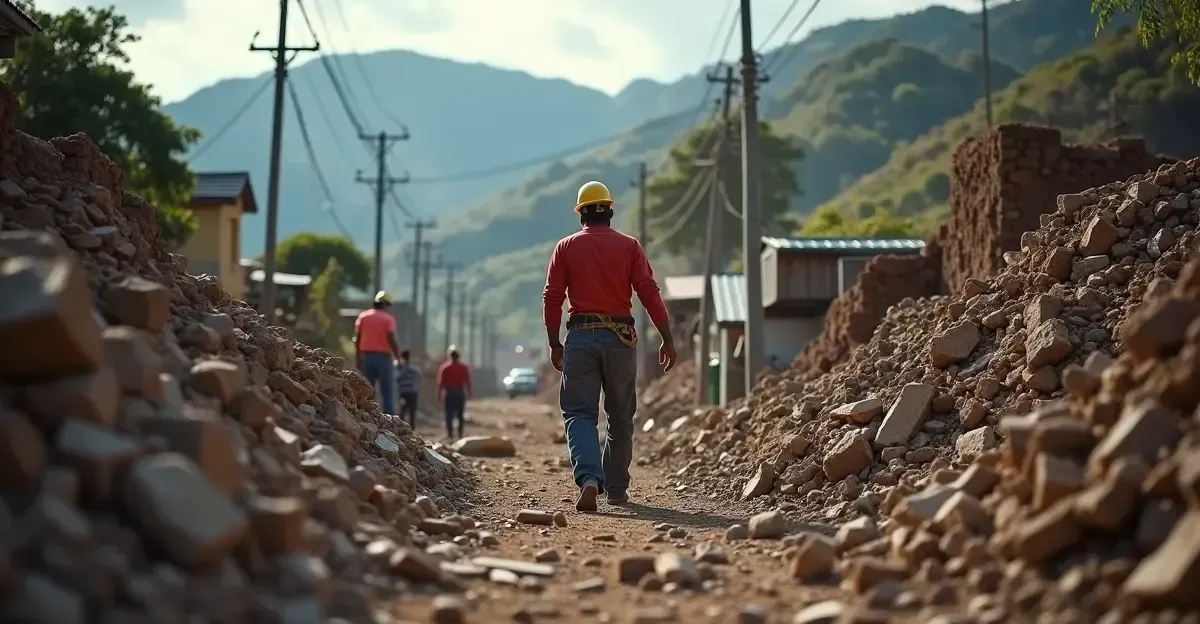
Rescue workers continue searching through the rubble in cities such as Cali and Pereira, where several buildings collapsed. 'The next 20 hours are crucial to find survivors. Every minute counts,' said Cali Mayor Alejandro Eder on Tuesday afternoon, as teams reported still receiving signs of life.
Economic emergency declared
President De la Espriella, who was sworn in just last Friday, announced the economic emergency in a televised address. 'We are sending a clear signal and responding to the needs of the victims,' he said. The measure unlocks funds to quickly repair housing, hospitals and schools.
Tens of thousands of families have been affected, the president said, and shelters have been set up in public spaces. The declaration follows a similar disaster response in neighboring Venezuela, where earthquakes in June killed more than 6,300 people.
International aid controversy
Colombia's initial reluctance to accept international help sparked criticism. The ultra-right president faced accusations of only accepting aid from ideologically aligned nations. His government denies this. The United States has since sent rescue workers — many of whom had recently been in Venezuela — and pledged $15 million for reconstruction.
Mexico has dispatched two military planes carrying non-perishable food, and El Salvador has offered similar assistance. The Colombia international aid debate has become a focal point as opposition figures question why specialized rescue teams were not requested sooner.
Aid contributions at a glance
- United States: Rescue workers and $15 million in reconstruction funds
- Mexico: Two military aircraft with shelf-stable food
- El Salvador: Offered humanitarian supplies
- Benefit concert: Marc Anthony, Luis Fonsi and Chayanne to perform in Miami on Sunday
What happens next?
Because of the 2016 peace agreement between the government and FARC rebels, many aid organizations were already present in the affected area. However, assessing the full scale of the disaster remains difficult in parts of Chocó, a department covered in hard-to-reach jungle. The government says hundreds are missing, while citizen lists put the figure above 4,000.
The death toll is expected to rise as search-and-rescue operations continue. The economic emergency declaration will allow faster allocation of resources, but the long-term recovery for Colombia earthquake survivors is expected to take years.
Frequently asked questions
How strong was the Colombia earthquake?
The earthquake measured magnitude 7.4 on the moment magnitude scale, according to the USGS.
Where was the epicenter?
The epicenter was near San José del Palmar in Colombia's western Chocó department.
How many people died in the Colombia earthquake?
At least 265 people have been confirmed dead, with more than 4,000 listed as missing.
Why did Colombia initially reject international aid?
The government faced accusations of only accepting aid from ideologically aligned countries, but officials denied this and later accepted US and regional assistance.
How can I help Colombia earthquake victims?
Reputable organizations such as the Red Cross and local Colombian charities are accepting donations for relief efforts.
Follow Discussion