


 Deutsch
 English
 Español
 Français
 Nederlands
 Português


 Share
Share




Federal Government Unveils Comprehensive Drought Emergency Package
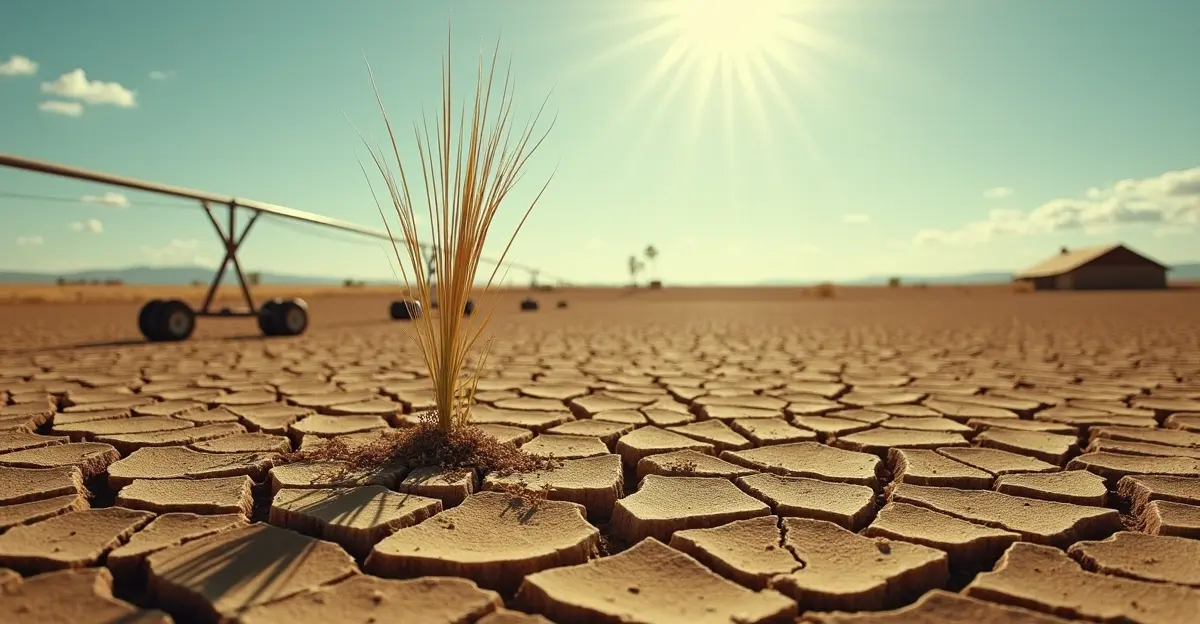
The federal government has announced a sweeping national drought aid package that combines immediate water deliveries with crop support and long-term resilience projects. The announcement comes as 37.4% of the U.S. remains in drought conditions, with the Western U.S. experiencing its worst snowpack in decades after a dry, warm January.
Immediate Relief Measures
The emergency package includes immediate water deliveries to drought-stricken communities through the USDA's Emergency Community Water Assistance Grants, which provide up to $1 million for communities facing drinking water emergencies. Additionally, the Supplemental Disaster Relief Program (SDRP) will provide over $16 billion in disaster relief payments to agricultural producers who suffered crop losses due to drought in 2023 and 2024, with enrollment open until April 30, 2026.
'This isn't just about getting water to communities today—it's about building systems that will withstand the droughts of tomorrow,' said Agriculture Secretary Tom Vilsack during the announcement. 'We're seeing climate patterns that require both immediate response and strategic planning.'
Crop Support and Agricultural Assistance
Farmers and ranchers will receive comprehensive support through multiple USDA programs. The package expands eligibility for the Environmental Quality Incentives Program (EQIP) to help producers implement water conservation practices, while the Federal Crop Insurance program receives additional funding to cover drought-related losses. The Dairy Margin Coverage Program for 2026 has also been extended, with applications due February 26, 2026.
Small Business Administration Economic Injury Disaster Loans will be available to agricultural businesses affected by drought, providing crucial working capital during recovery periods. 'When your crops fail and your wells run dry, you need more than sympathy—you need actionable support,' noted California farmer Maria Rodriguez, who has experienced three consecutive years of drought on her almond orchard.
Long-Term Resilience Projects
The most innovative aspect of the package focuses on long-term drought resilience through the WaterSMART Drought Response Program. This initiative funds projects that increase water supply reliability, improve water management, and provide environmental benefits. The program defines drought resiliency as 'the capacity of a community to cope with and respond to drought,' and supports what are typically called 'mitigation actions' within drought contingency plans.
Nature-based solutions receive particular emphasis, with funding for ecosystem protection and land restoration projects that can generate up to $27 in benefits for every dollar invested, according to World Water Week 2025 findings. These 'no-regret investments' work across sectors and scales to build comprehensive drought resilience.
Integrated Approach to Drought Management
The announcement reflects a shift toward integrated drought management that addresses drought as a systemic risk impacting all sectors. Over 70 countries now have national drought plans, and initiatives like the International Drought Resilience Alliance provide tools and support for comprehensive planning.
'We're moving beyond early warning systems to integrate impact tracking and build community response capabilities,' explained Dr. Sarah Chen, a drought resilience expert at the National Drought Mitigation Center. 'The goal is to ensure knowledge translates into action at the local level.'
The package also includes funding for FEMA's Building Resilient Infrastructure and Communities (BRIC) program, which supports infrastructure projects that reduce drought vulnerability, and EPA's WaterSense program for promoting water-efficient products and practices.
Implementation and Timeline
Implementation will begin immediately, with water deliveries starting within 30 days to the most severely affected regions. Crop support applications are being processed through local USDA Service Centers, while long-term resilience projects will undergo competitive grant processes through the Bureau of Reclamation and other agencies.
The timing is critical, as current drought conditions have left many Western states with just 50% or less of normal precipitation. The integrated approach—combining immediate relief with strategic investment in resilience—represents a new model for addressing climate-related disasters that are becoming more frequent and severe.
As Secretary Vilsack concluded: 'This package recognizes that drought isn't a temporary inconvenience—it's a persistent challenge that requires sustained investment and innovation. We're building the foundation for water security that will benefit generations to come.'



Follow Discussion