


 Deutsch
 English
 Español
 Français
 Nederlands
 Português


 Share





A cabinet split has emerged over the Rosebank oilfield approval, with Chancellor John Healey backing the controversial North Sea project while Energy Secretary Miatta Fahnbulleh is leaning toward rejecting it after granting permission for the smaller Jackdaw gasfield. The decision, expected before the end of 2026, has become a defining test of the UK's energy and climate policy, pitting economic and energy security arguments against net-zero commitments.
What Is the Rosebank Oilfield and Why Does It Matter?
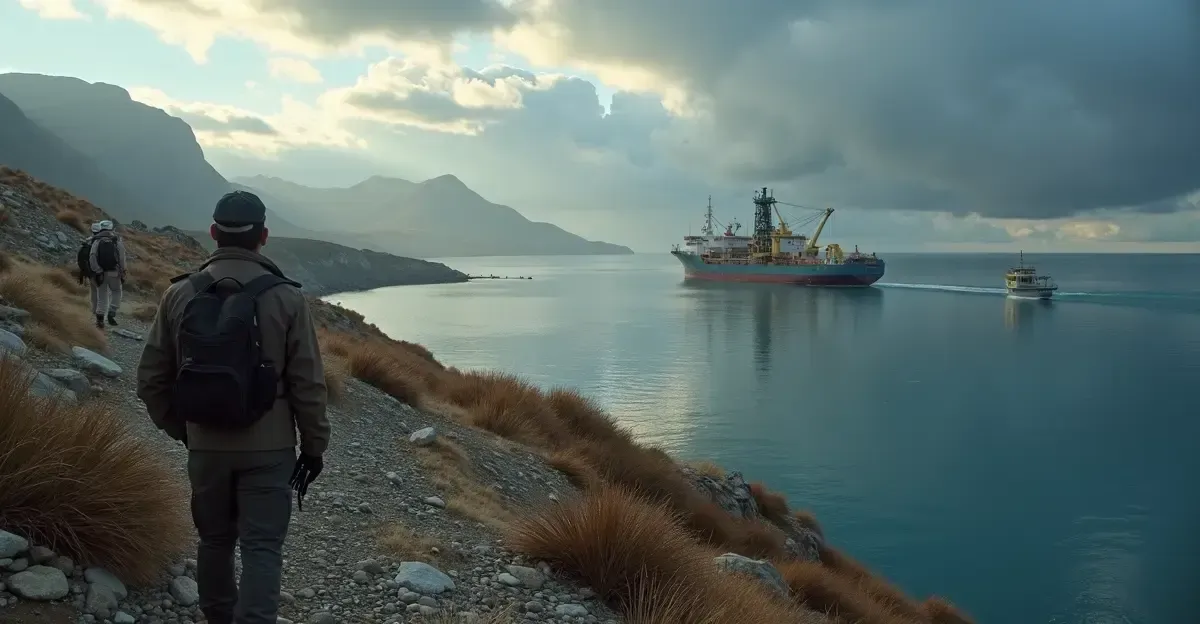
Rosebank is the UK's largest undeveloped oilfield, located about 80 miles northwest of Shetland in the North Sea. Operated by Equinor, it holds an estimated 300–500 million barrels of oil, could support around 1,200 jobs and produce up to 69,000 barrels per day at peak. However, development would emit roughly 250 million tonnes of CO2 over its lifetime—about seven times the emissions of the approved Jackdaw gasfield. The Rosebank oilfield reserves have long been a flashpoint in debates over North Sea oil drilling and the UK's legal obligation to reach net zero.
Cabinet Split: Healey vs Fahnbulleh
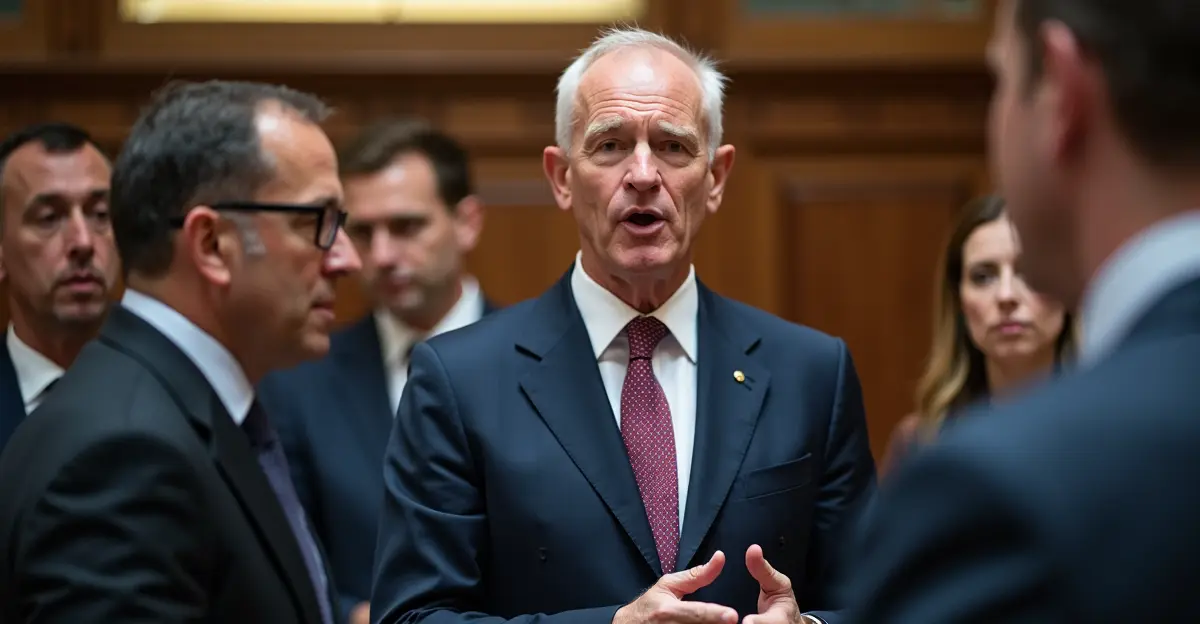
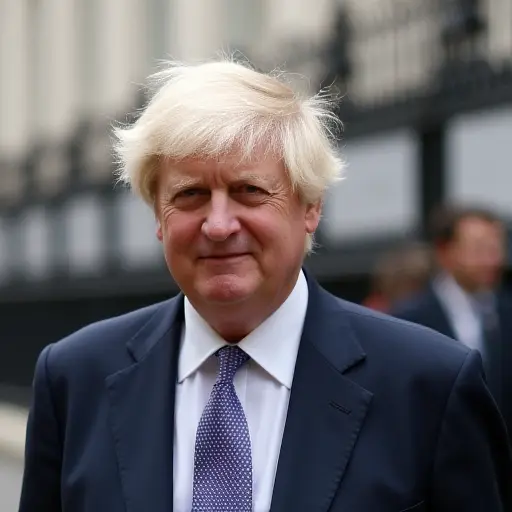
The disagreement surfaced after Fahnbulleh approved Jackdaw in September 2026 but signalled she may refuse Rosebank. She argues the cases differ: Jackdaw mainly supplies the domestic gas market, while Rosebank is an oilfield primarily for export, would do less for UK energy security and produce far higher emissions. Chancellor John Healey has called Jackdaw 'a bridge to the future' and is reported to back Rosebank, as is Prime Minister Andy Burnham, according to government sources. Fahnbulleh's aides circulated a memo confirming she is the sole quasi-judicial decision-maker, with no other minister involved.
Labour MP Catherine Fookes warned that approving Rosebank would 'blow a hole in our green credentials', while another MP said pushing the project through would mean 'there will be blood'. The UK cabinet split has triggered a lobbying battle, with furious backbenchers urging the PM and chancellor not to overrule the energy secretary.
Jackdaw Gasfield Approval Sets the Stage
Jackdaw, approved earlier in 2026, is a gasfield whose production is destined for UK households and businesses. Fahnbulleh's decision to approve it was seen as pragmatic, but Rosebank's oil would largely be exported, weakening the energy security argument. The Jackdaw gasfield approval therefore offers a direct contrast: ministers accepted gas for domestic use while questioning an oilfield that campaigners say is incompatible with climate goals.
Economic Fallout and Political Risk
The Treasury has already counted roughly £500 million in Rosebank tax revenues in official forecasts, and Healey has pointed to potential funding for the £2 billion Energy Wealth Fund. Industry leaders warn that rejection would cost investment and jobs, while climate groups and many Labour MPs argue the economic case is overstated and the environmental cost unacceptable. Some MPs are discussing ways to force a parliamentary vote, and a significant rebellion is likely if approval goes ahead. If ministers cannot agree, the prime minister would make the final call.
Legal and Climate Context
Rosebank's 2023 consent was ruled unlawful in January 2025 because the government failed to consider downstream Scope 3 emissions. That ruling forced a fresh decision under the current cabinet. The Scope 3 emissions ruling remains a central legal benchmark, and campaigners say approval would undermine the UK's international climate credibility. Fahnbulleh has said the decision is hers alone, and no final choice has yet been made.
The outcome will signal whether the UK prioritises short-term oil revenue or long-term climate leadership, and it may shape future North Sea licensing decisions.
FAQ: Rosebank Oilfield Approval
What is the Rosebank oilfield?
Rosebank is the UK's largest undeveloped oilfield, located west of Shetland, holding an estimated 300–500 million barrels of oil.
Why is the UK cabinet split over Rosebank?
Chancellor John Healey backs approval for tax revenue and jobs, while Energy Secretary Miatta Fahnbulleh leans toward rejection on climate grounds, especially after approving the smaller Jackdaw gasfield.
When will the Rosebank decision be made?
A decision is expected before the end of 2026, though no final announcement date has been confirmed.
How much CO2 would Rosebank emit?
Rosebank would emit roughly 250 million tonnes of CO2 over its lifetime, about seven times the emissions of the Jackdaw gasfield.
Who makes the final Rosebank decision?
Energy Secretary Miatta Fahnbulleh is the sole decision-maker in the quasi-judicial process, though the prime minister could intervene if there is a cabinet conflict.



Follow Discussion