


 Deutsch
 English
 Español
 Français
 Nederlands
 Português


 Share
Share




Argentina has sharply escalated the Falklands oil dispute, filing a claim at the International Tribunal for the Law of the Sea (ITLOS) in Hamburg and seeking Interpol red notices against people linked to the Sea Lion oil project. The UK has asked Interpol to reject the requests as politically motivated, marking the most serious rupture since the 1982 Falklands War. The dispute centres on an estimated 1.7 billion barrels of oil about 130 miles from the islands.
Background: The Falklands Sovereignty Row
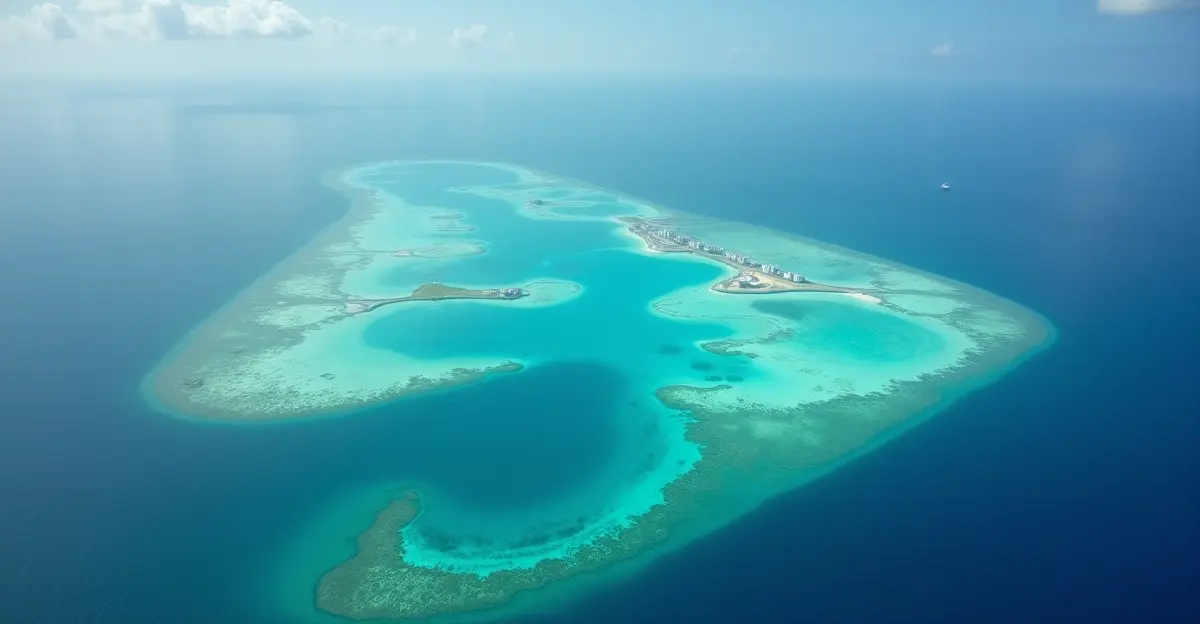
The sovereignty row over the Falkland Islands sovereignty dispute dates to the 19th century and exploded into the 1982 Falklands War when Argentina invaded. Today the islands are a self-governing British Overseas Territory, but Buenos Aires claims them as the Islas Malvinas. The flashpoint is Sea Lion, a venture between Rockhopper Exploration and Navitas Petroleum. Britain says the project is lawful; Argentina argues it exploits its continental shelf illegally.
Argentina's Legal Moves at the Maritime Tribunal
On 13 October 2026, Argentina asked the International Tribunal for the Law of the Sea (ITLOS) for provisional measures to halt oil and gas exploration north of the Falklands, arguing the UK authorised activity unilaterally. The filing followed President Javier Milei's two-week deadline of 28 September to scrap Sea Lion. Foreign minister Pablo Quirno announced the request on X, seeking to block new permits and protect sovereign rights. The case is part of an Annex VII arbitration under the UN Convention on the Law of the Sea.
Sea Lion Project: Key Facts
- Location: North Falkland Basin, 130 miles (209 km) from the islands.
- Reserves: 1.7 billion barrels.
- Partners: Rockhopper Exploration and Navitas Petroleum.
- First oil: 2028.
- Could triple the islands' GDP for 3,500 residents.
UK Appeals to Interpol over Red Notices
Britain has asked Interpol's Lyon headquarters to reject Argentina's Interpol red notice process requests against people linked to Sea Lion, including British nationals, calling them politically motivated. Interpol said it would respect Article 3 of its constitution, which bars political intervention. Falklands chief executive Andrea Clausen called the move a threat: “This is an attempt to frighten people away from legitimate work.”
Foreign Secretary Ed Miliband said the UK would use protection of trading interests legislation to shield firms, allowing damages claims. Foreign Office minister Uma Kumaran told the Commons the UK would not stand by while Argentina uses economic coercion.
What It Means for Energy and Diplomacy
The legal and policing offensive could deter investment in offshore energy development across the South Atlantic and raise Sea Lion's costs. Milei has opened criminal proceedings against Navitas and Rockhopper and wants tougher penalties. For Britain, the dispute tests its ability to protect firms and defend islanders' self-determination. The ITLOS case may take years, but Interpol requests carry immediate risk: if approved, they could lead to international arrest warrants.
FAQ: Falklands Oil Dispute and Interpol
What is the Falklands oil dispute about?
Argentina claims the islands and says UK-licensed exploration violates its continental shelf rights. Britain says the Sea Lion project is lawful and supports islanders' self-determination.
Why did Argentina seek Interpol red notices?
Argentina wants international arrest notices for people linked to Sea Lion, alleging unauthorised resource exploitation. Britain says the requests are politically motivated.
Could oil project personnel actually be arrested?
If Interpol approves red notices, member countries may make provisional arrests, but Article 3 bars political cases. Interpol has indicated it will respect that rule.
Conclusion: A Dispute With No Quick End
The tribunal filing and Interpol requests have raised tensions to levels not seen since 1982. The Sea Lion project's 2028 start now looks uncertain. For the islands' 3,500 residents, the row could determine whether an economic boom becomes a legal battleground.



Follow Discussion