


 Deutsch
 English
 Español
 Français
 Nederlands
 Português


 Share
Share




What is the UK-US Air Base Dispute About?
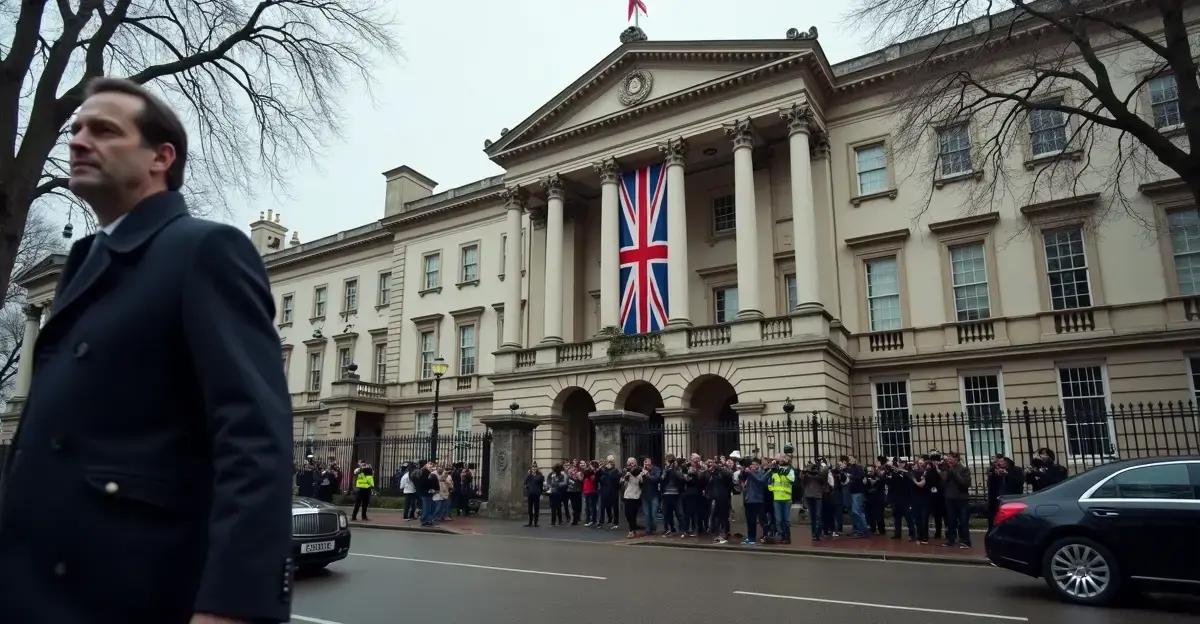
In a significant diplomatic standoff that threatens to strain the 'special relationship,' British Prime Minister Keir Starmer has blocked a request from US President Donald Trump to use UK military bases for potential strikes against Iran. The decision, reported by multiple British media outlets including The Times and BBC, centers on two strategically vital installations: RAF Fairford in Gloucestershire, England, and the Diego Garcia base in the Indian Ocean. This refusal represents one of the most serious ruptures in US-UK military cooperation in recent years and comes amid escalating tensions between Washington and Tehran over Iran's nuclear program.
Why Did the UK Refuse Base Access?
The UK government's decision stems from serious concerns about international law violations. According to legal experts, allowing US forces to use British sovereign territory for attacks on Iran could constitute a breach of international law, which holds supporting nations accountable if they have knowledge of wrongful acts. 'The UK is rightly concerned about being drawn into another potentially illegal Middle East conflict,' said one diplomatic source familiar with the discussions.
The Strategic Bases at Stake
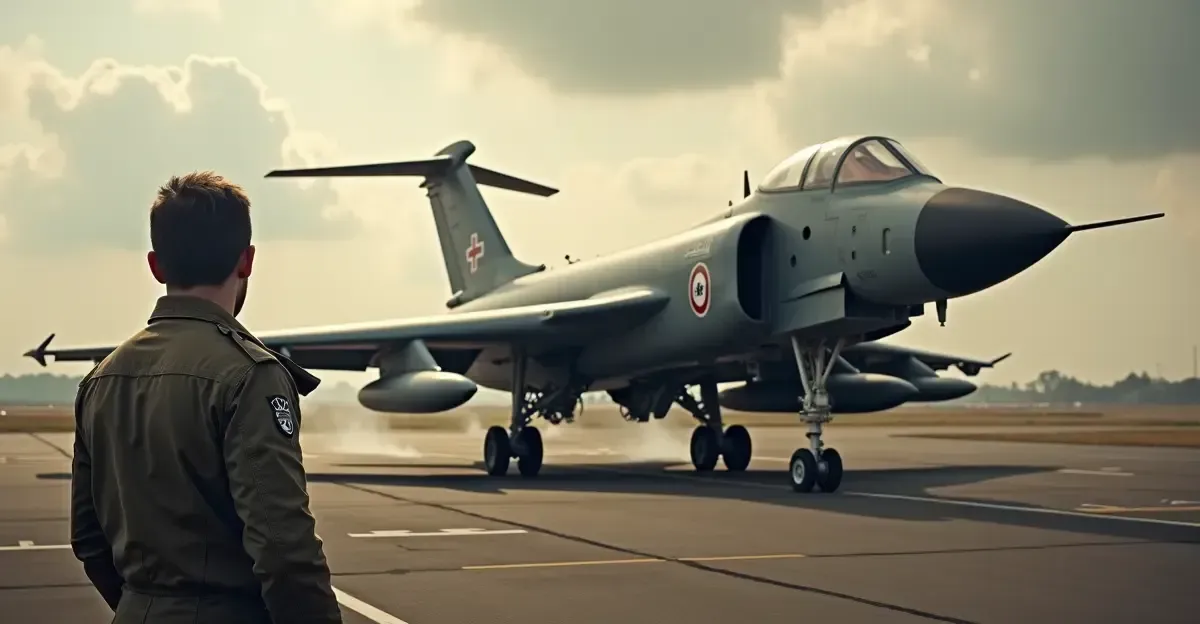
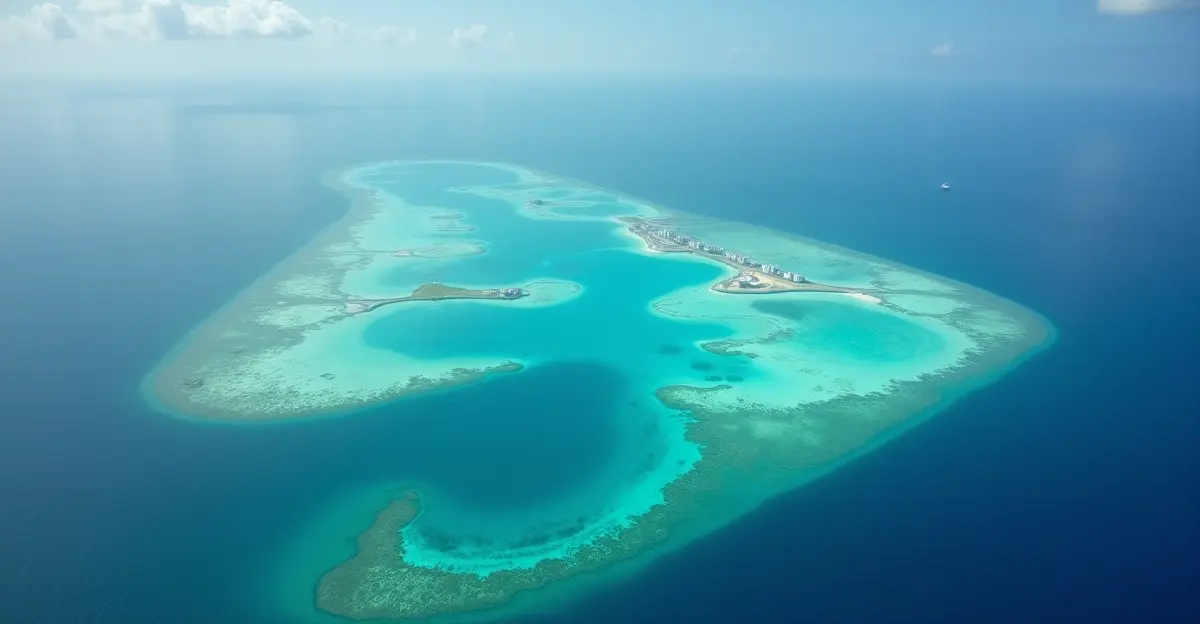
RAF Fairford serves as a crucial European launchpad for America's heavy bomber fleet, including B-52 Stratofortress aircraft that have been regularly deployed there for Middle East operations. Diego Garcia, a British Overseas Territory in the Indian Ocean, provides critical staging capabilities for US military operations across the Middle East and Asia. Both bases operate under agreements requiring US forces to obtain prior British government consent for operations against 'third countries' – a provision now being invoked by the Starmer government.
Trump's Response and Escalating Tensions
President Trump responded sharply to the UK's refusal, posting on Truth Social that it might be 'necessary to use Diego Garcia and the airport in Fairford to eradicate a potential attack by a highly unstable and dangerous regime.' He further suggested that Iran 'possibly' might attack Britain or other countries, after which 'no international law would stand in the way.' The US President has also withdrawn support for Prime Minister Starmer's £35 billion Chagos Islands sovereignty agreement with Mauritius, which includes leasing back the Diego Garcia base – a move seen as retaliation for the base access denial.
Legal Implications and International Law
The UK's position reflects growing concerns about the legality of pre-emptive strikes. Under international law, nations providing bases or logistical support for military operations can be held responsible if those operations violate international norms. This legal framework has become particularly relevant given the international legal precedents for military intervention established in recent conflicts. The Starmer government's cautious approach contrasts with previous UK administrations that have been more willing to support US military initiatives.
Historical Context of US-UK Base Agreements
The current dispute highlights the complex nature of US-UK defense cooperation. RAF Fairford has been used by US forces since the Cold War, while Diego Garcia has served as a strategic hub for American operations since the 1970s. Both installations operate under bilateral agreements that give the UK ultimate sovereignty while granting the US extensive operational rights. However, these agreements explicitly require British consent for offensive operations – a provision now being tested in the Iran context.
Regional Security Implications
The UK's refusal comes amid heightened regional tensions, with the US reportedly surging forces into the Middle East for potential military action against Iran. The decision has significant implications for Middle East security dynamics, potentially limiting US operational flexibility while signaling European reluctance to support unilateral American military action. This development occurs alongside other regional security challenges, including ongoing conflicts and nuclear proliferation concerns.
Political Reactions and Domestic Pressure
Within the UK, the decision has sparked political debate. Conservative figures have criticized Starmer's stance, arguing that Britain should support its closest ally, while Liberal Democrat leader Ed Davey has accused Trump of trying to 'bully the UK into allowing unilateral US military action from British bases.' The government has maintained its position of not commenting on operational matters while emphasizing support for political processes with Iran and regional security.
Future of the Special Relationship
This dispute represents a critical test for the US-UK 'special relationship,' coming at a time when both nations face complex global challenges. The outcome could set important precedents for future US-UK military cooperation and sovereignty arrangements. As one defense analyst noted, 'This isn't just about Iran – it's about who controls strategic assets and under what conditions allies support each other's military operations.'
Frequently Asked Questions
What bases did the UK refuse access to?
The UK denied US access to RAF Fairford in Gloucestershire, England, and the Diego Garcia base in the Indian Ocean for potential strikes against Iran.
Why is the UK concerned about international law?
Under international law, nations providing bases or support for military operations can be held responsible if those operations violate international norms, particularly regarding pre-emptive strikes.
How has Trump responded to the refusal?
President Trump has criticized the decision on social media and withdrawn support for the UK's Chagos Islands sovereignty agreement with Mauritius, which includes the Diego Garcia base leaseback arrangement.
What are the strategic implications of this decision?
The refusal limits US operational flexibility in the Middle East, signals European reluctance to support unilateral American action, and tests the limits of US-UK defense cooperation agreements.
Could this affect future US-UK relations?
Yes, this dispute represents a significant test of the 'special relationship' and could set important precedents for how allies manage base access and military cooperation in future conflicts.

Follow Discussion