


 Deutsch
 English
 Español
 Français
 Nederlands
 Português


 Share
Share




Massive Evacuations as Mediterranean Region Battles Extreme Flooding
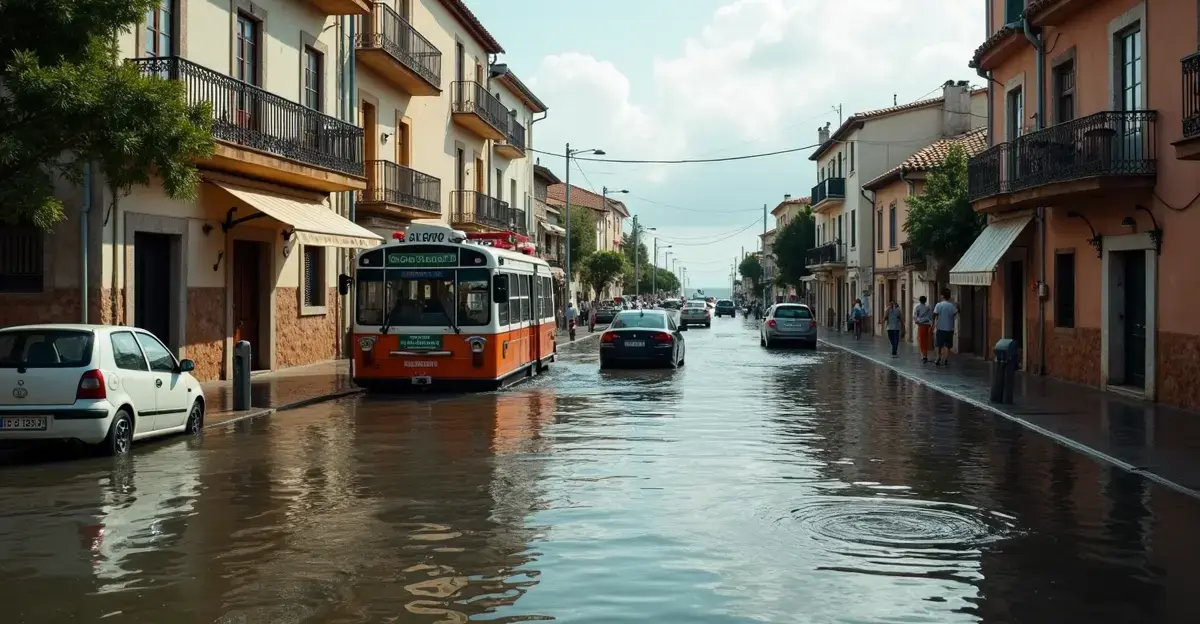
Moroccan authorities have ordered the evacuation of more than 143,000 people from northwestern regions as severe flooding threatens communities across the Mediterranean basin. The massive operation, involving military assistance, comes as torrential rains have pushed rivers beyond their banks and raised concerns about dam safety in several areas.
Morocco's Emergency Response
In the city of Ksar-el-Kebir, approximately 85 percent of the population has already been evacuated according to local authorities. The Moroccan Ministry of Interior has mobilized the army to assist with evacuation efforts as water levels continue to rise dangerously. 'We have never seen anything like this before,' said one resident from the affected region, speaking to local media about the unprecedented scale of the flooding.
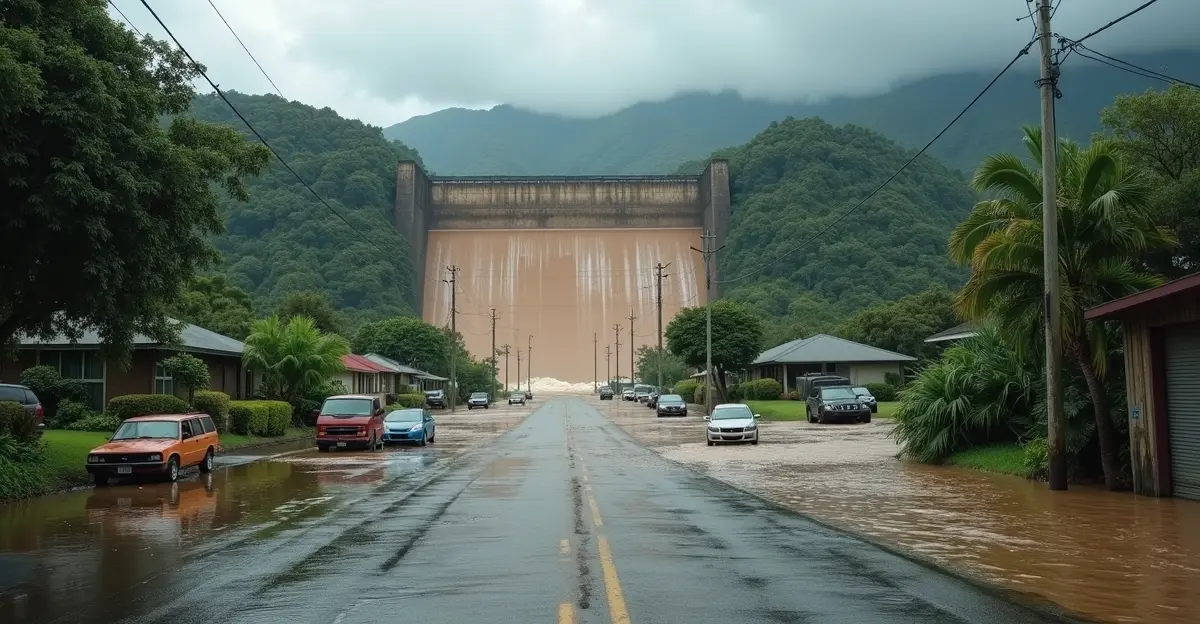
To prevent potential dam breaches, authorities have released 372 million cubic meters of water from nearby reservoirs. The situation is particularly critical in the Loukkos river system, where the Oued Makhazine dam reached full capacity, necessitating controlled releases that have contributed to downstream flooding.
Iberian Peninsula Under Water
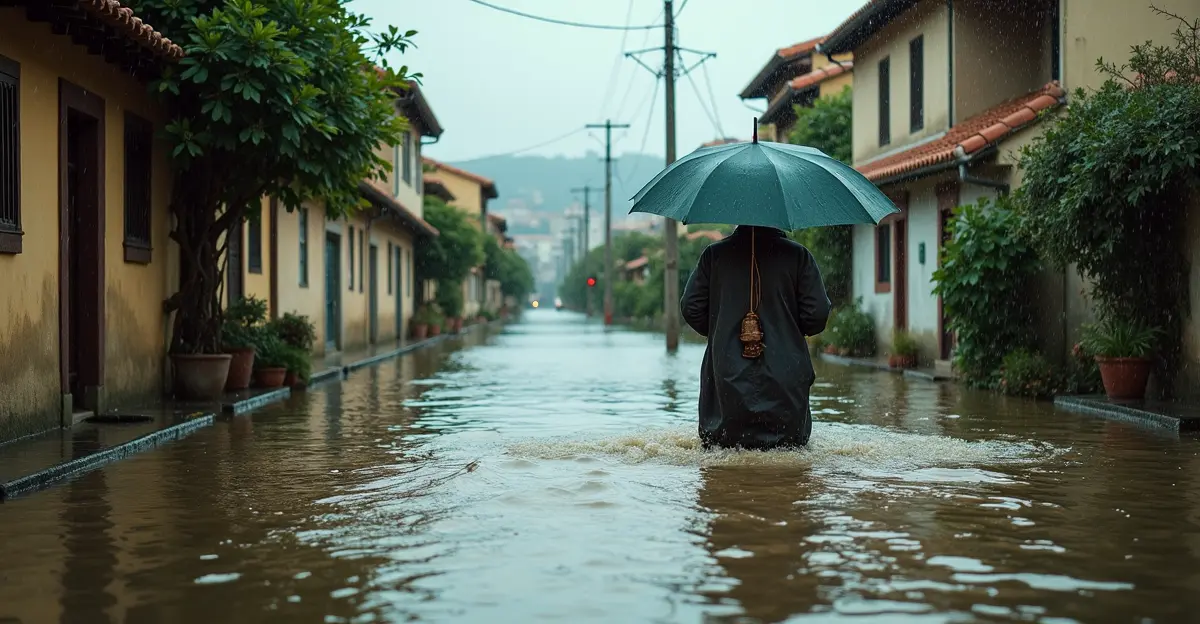
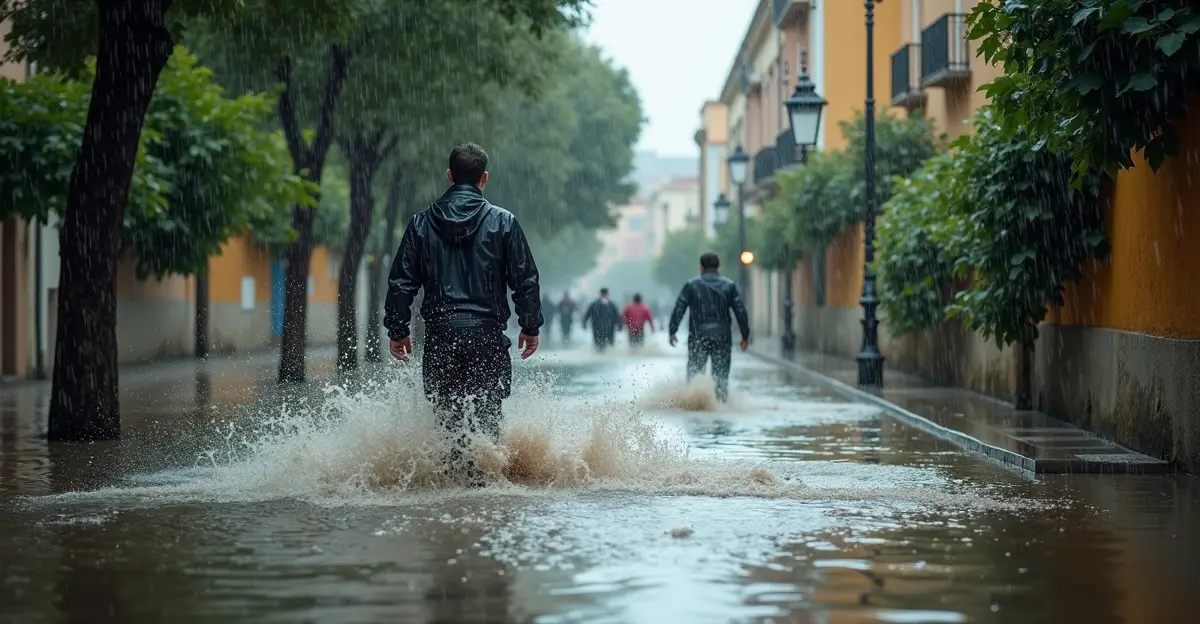
Meanwhile, Spain and Portugal are facing their own flooding crises. In Spain's Andalusia region, approximately 4,000 people have been evacuated as rivers transformed into raging torrents and streets became impassable. The town of Grazalema, west of Ronda, received as much rainfall in 16 hours as Madrid typically sees in an entire year.
'The mountains cannot absorb any more water,' a restaurant owner in Grazalema told Reuters. 'In some houses, water is coming up through the sewage system. Our concern is that the rain is not over yet.' Emergency services continue searching for a woman who was swept away by a river while trying to rescue her dog.
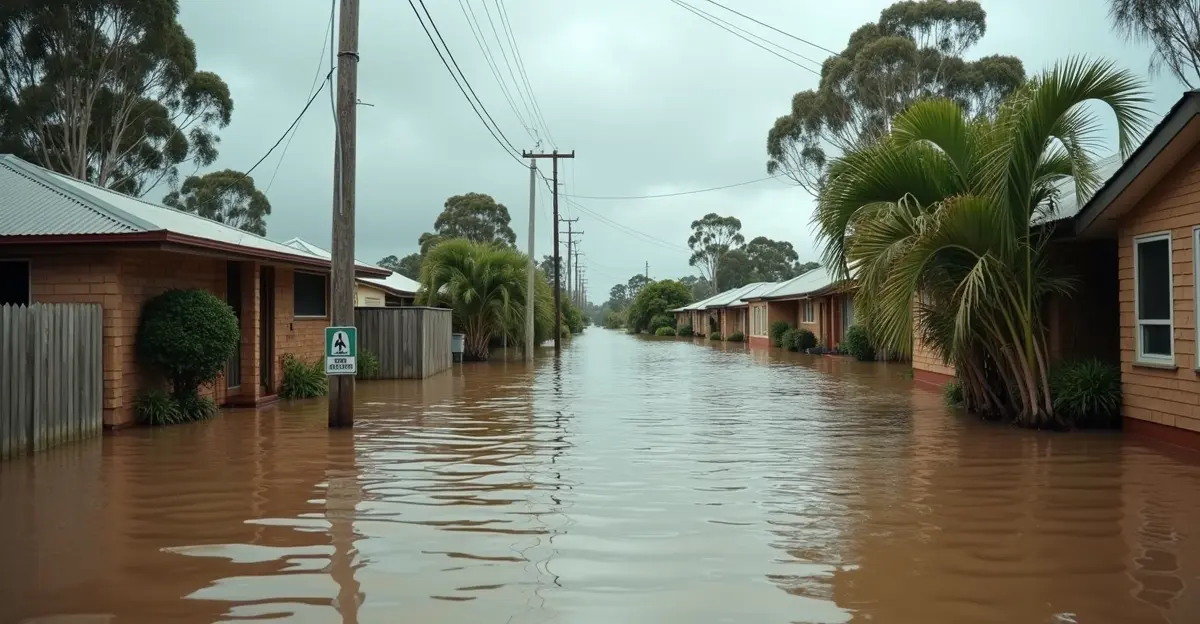
In Portugal, the Sado river has overflowed its banks, flooding the town of Alcácer do Sal near Lisbon. Sandbags are being deployed to protect homes and businesses from the rising waters. Tragically, one man died when his car was swept away by floodwaters near a dam.
Climate Change Connection
Scientists are increasingly linking these extreme weather events to climate change. Research published in Scientific Reports identifies the Mediterranean region as a climate change hotspot, with increasing vulnerability to extreme rainfall events. The atmosphere's capacity to hold moisture increases by approximately 7% for every 1°C of warming, leading to more intense precipitation when conditions are right.
'What we're seeing across the Mediterranean basin is consistent with climate projections for increased extreme precipitation events,' explained Dr. Elena Rodriguez, a climate scientist at the University of Barcelona. 'While individual storms cannot be directly attributed to climate change, the increased frequency and intensity of such events aligns with what models have predicted.'
Regional Impacts and Recovery
The flooding comes after years of drought in Morocco, where the recent six months have brought 150 millimeters of rain - 32.5 percent more than the annual average. While the water is desperately needed after prolonged dry periods, the sudden deluge has overwhelmed infrastructure.
In the eastern Moroccan region of Al-Hoceima, roads have been blocked by snow and landslides, though authorities report that some major routes have been cleared. Other roads require significant repairs before they can be reopened.
As the region braces for more rainfall expected after the weekend, emergency services remain on high alert. The coordinated response across Morocco, Spain, and Portugal highlights the growing challenge Mediterranean nations face in adapting to increasingly volatile weather patterns driven by global climate change.
Follow Discussion