


 Deutsch
 English
 Español
 Français
 Nederlands
 Português


 Share





The UK government is split over the Rosebank oilfield approval, with Chancellor John Healey backing drilling at Britain's largest untapped oilfield while Energy Secretary Miatta Fahnbulleh is reportedly leaning toward rejection. The dispute, reported by the Guardian on 25 October 2026, leaves the North Sea project's fate uncertain as a final ruling looms before the end of the year.
Rosebank lies about 80 miles northwest of Shetland and holds an estimated 300 million barrels of oil, with some estimates reaching 500 million. The project could support around 1,200 jobs and produce roughly 69,000 barrels per day at peak for up to 25 years.
What is the Rosebank Oilfield?
Rosebank is the UK's largest undeveloped oilfield, discovered in 2004 and operated by Adura, a 50/50 Shell and Equinor joint venture, with Ithaca Energy holding 20%. The £8.7 billion field would export oil by tanker, while associated gas could heat 500,000 homes via Shetland and St Fergus.
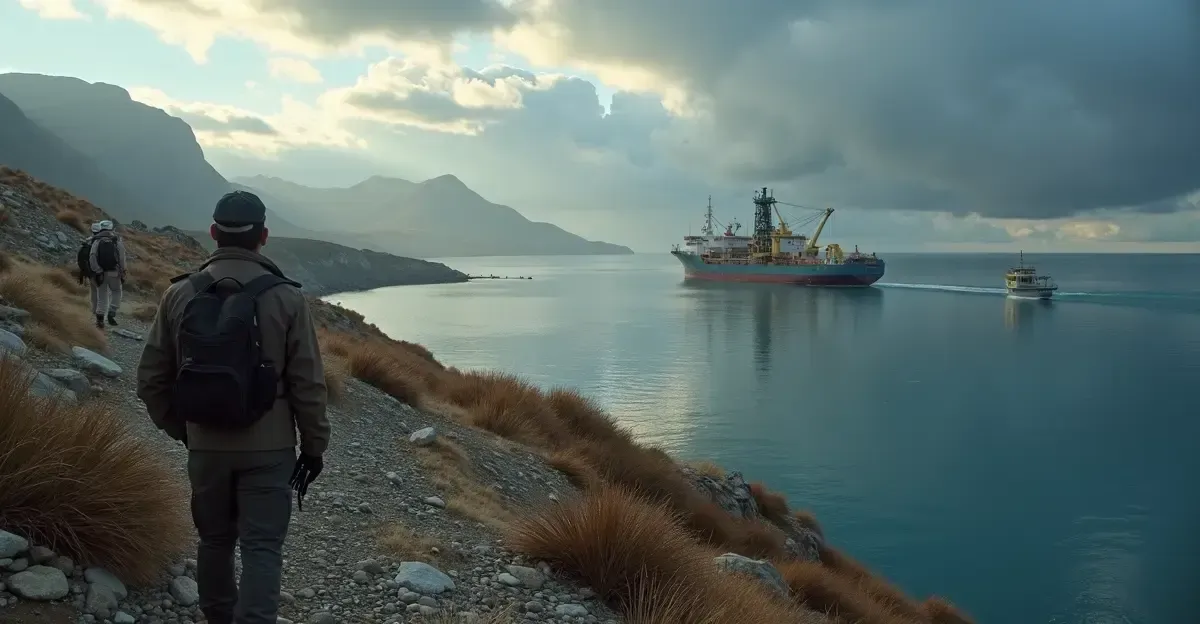
The BBC gained rare access to the Petrojarl Rosebank floating production vessel in late 2026, where about 122 workers are aboard awaiting the field's fate. Initial consent came in 2023, but Scotland's Court of Session ruled in January 2025 that Rosebank and Jackdaw approvals were unlawful for failing to account for Scope 3 emissions from burning the fuels.
Why Has the Cabinet Split Over Rosebank?
The UK cabinet split pits the Treasury against the energy department. Chancellor John Healey has signalled support, citing oil and gas revenues he expects to fund the £2 billion Energy Wealth Fund. The Mail on Sunday reported that Healey and Andy Burnham agreed to push the project through, though Downing Street declined to comment.
Energy Secretary Miatta Fahnbulleh, who holds the final regulatory decision, is understood to be leaning toward rejection. She has called it a “regulatory process not a policy process” judged against the government's climate commitments.
Rosebank vs Jackdaw: Emissions and Energy Security
The split sharpened after Fahnbulleh approved production consent for the smaller Jackdaw gasfield on 21 October 2026. Jackdaw will raise domestic gas production by about 6% at peak, supply energy for up to 11 years and add £2.9 billion to the UK economy while protecting around 300 jobs.
Fahnbulleh says that rationale does not apply to Rosebank. “One is a gasfield that caters for the domestic market, while the other is an oilfield that is mainly for export,” she said. Rosebank would emit roughly seven times Jackdaw's carbon — about 250 million tonnes of CO2 over its lifetime, nearly two-thirds of the UK's 2024 total.
| Factor | Jackdaw (approved Oct 2026) | Rosebank (decision pending) |
|---|---|---|
| Type | Gas-condensate | Oil |
| Main market | Domestic UK | Mainly export |
| Resources | 68 million boe | 300–500 million barrels |
| Jobs | ~300 | ~1,200 |
| Lifetime emissions | 24 MtCO2e | ~250 MtCO2e |
Political and Climate Implications
The North Sea oil and gas licensing decision carries significant political risk. Labour MPs warn of a backlash if Rosebank is approved, with some threatening a parliamentary vote, while the Greens plan to campaign on the issue. Climate groups Uplift and Greenpeace, which brought the legal challenge, urge outright rejection.
Industry leaders counter that rejection would deter investment and cost north-east Scotland jobs. Adura chief executive Neil McCulloch says fossil fuels remain necessary during the transition and generate billions in tax revenue.
What Happens Next?
A decision is expected before the end of 2026. If conflict persists, Andy Burnham could decide, with the prime minister as ultimate arbiter. Fahnbulleh says only a “tiny” number of officials have seen the documents and each project is judged against the UK's net zero carbon budgets.
FAQ: Rosebank Oilfield Approval Explained
What is the Rosebank oilfield and why is it controversial?
Rosebank is the UK's largest undeveloped oilfield, about 80 miles northwest of Shetland, holding an estimated 300 million barrels. Burning its oil would produce around 250 million tonnes of CO2, undermining UK climate goals.
Why did the Court of Session rule the approvals unlawful?
In January 2025, Lord Ericht ruled that the 2022–23 consents for Rosebank and Jackdaw were unlawful because environmental assessments omitted “downstream” emissions from burning the fuels, following the 2024 Finch precedent.
What is the difference between Rosebank and Jackdaw?
Jackdaw is a gasfield supplying the domestic UK market, while Rosebank is an oilfield whose output would mainly be exported. Rosebank would emit roughly seven times Jackdaw's carbon.
Who makes the final Rosebank decision?
Energy Secretary Miatta Fahnbulleh holds the regulatory decision. If conflict persists, Andy Burnham or the prime minister could ultimately decide.
When will the government decide on Rosebank?
A decision is expected before the end of 2026, though no date has been confirmed.


Follow Discussion