


 Deutsch
 English
 Español
 Français
 Nederlands
 Português


 Share
Share




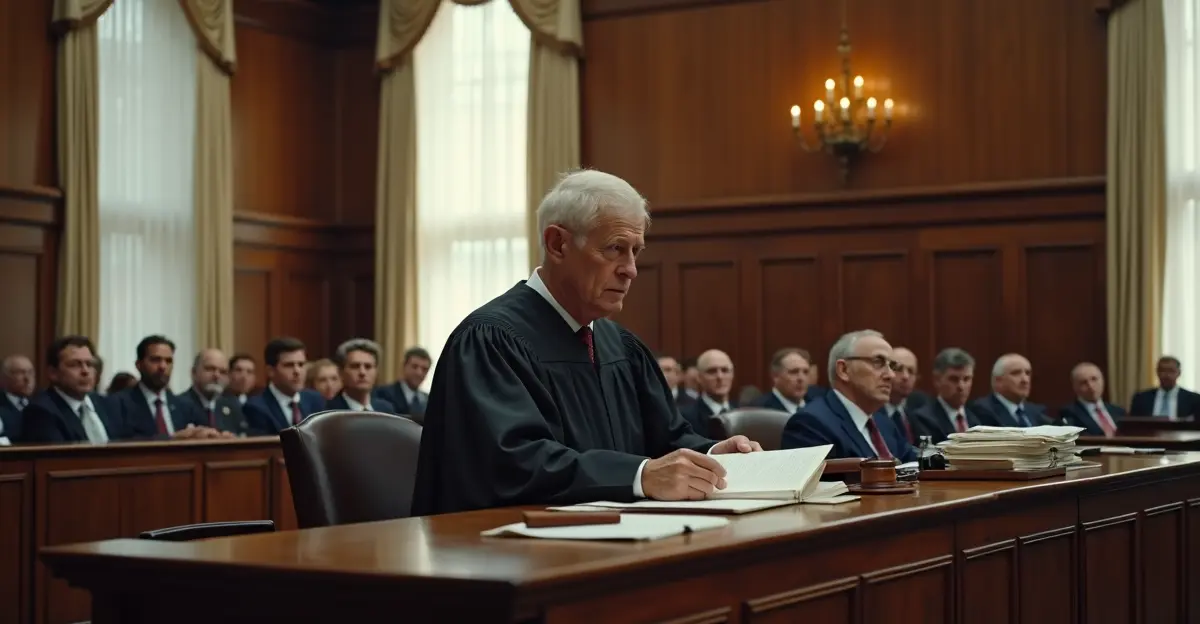
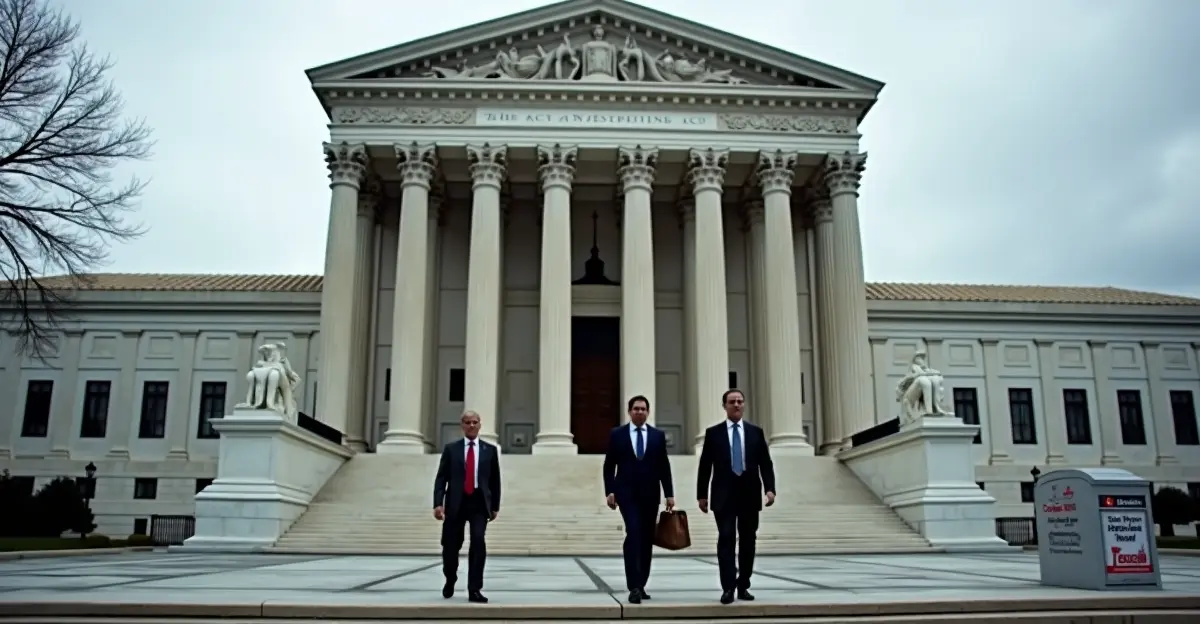
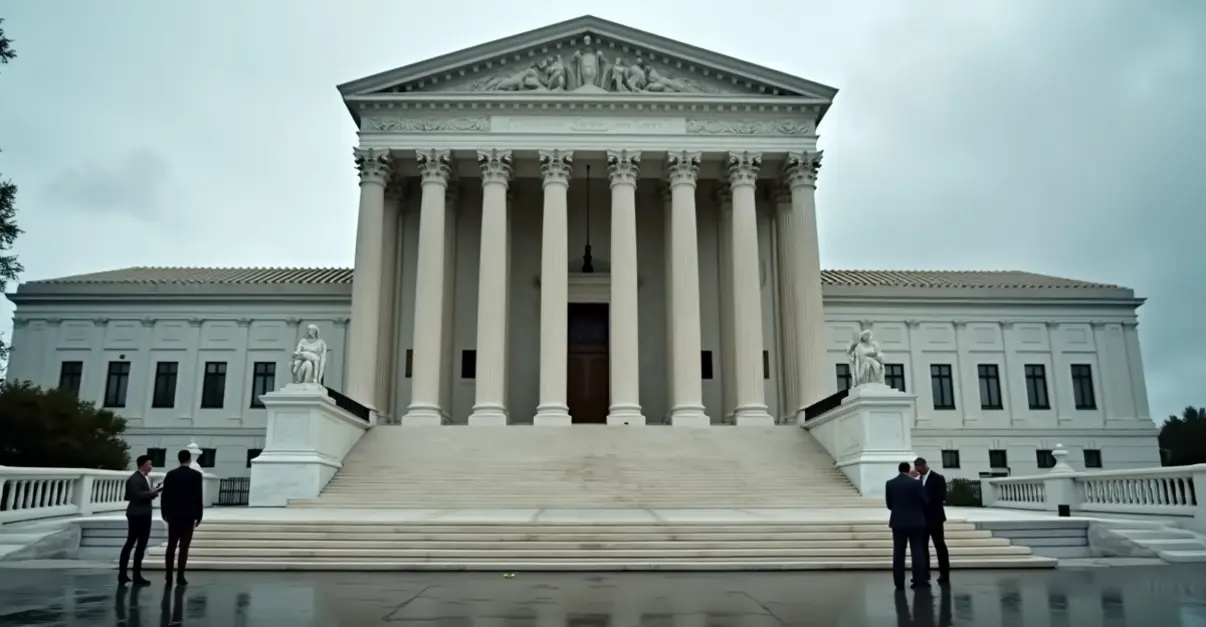
In a landmark 6-3 decision, the U.S. Supreme Court has cleared the way for Alabama to use a Republican-favored congressional redistricting map that eliminates one of the state's two majority-Black districts. The ruling, reported by the New York Times and other outlets, marks the first major voting rights case since the Court narrowed the Voting Rights Act and is expected to benefit the Republican Party in the 2026 midterm elections.
Background: The Alabama Redistricting Battle
Alabama's Republican-controlled legislature redrew congressional district boundaries in 2023, creating a map that concentrated Black voters into a single district rather than two. A lower federal court had blocked the map, ruling that it intentionally discriminated against Black voters in violation of Section 2 of the Voting Rights Act. However, the Supreme Court's conservative majority intervened, granting Alabama's request for an emergency stay and allowing the map to be used in upcoming elections.
The decision has reignited debate over voting rights and racial gerrymandering in the United States. Critics argue the ruling undermines decades of civil rights progress, while supporters contend it returns redistricting authority to state legislatures.
Key Details of the Supreme Court Ruling
What Did the Court Decide?
The Supreme Court's unsigned opinion stated that the lower court had 'improperly intruded' into Alabama's efforts to conduct congressional elections based on districts drawn by its elected representatives. The conservative justices—Chief Justice John Roberts and Justices Clarence Thomas, Samuel Alito, Neil Gorsuch, Brett Kavanaugh, and Amy Coney Barrett—formed the majority. The three liberal justices—Elena Kagan, Sonia Sotomayor, and Ketanji Brown Jackson—dissented.
Why Is This Significant?
This is the first major voting rights case decided after the Supreme Court's 2023 ruling in Allen v. Milligan, which had left the Voting Rights Act intact but set new standards for evaluating racial gerrymandering claims. The Alabama case tests the limits of that precedent. By allowing the map to stand for now, the Court signals a willingness to defer to state legislatures even when racial discrimination allegations are present.
Impact on the 2026 Midterm Elections
With Republicans holding a narrow majority in the U.S. House of Representatives, the Alabama map could prove decisive. The new map is expected to flip at least one seat from Democratic-leaning to Republican-leaning, potentially shifting the balance of power. Alabama's congressional delegation currently consists of six Republicans and one Democrat. Under the new map, that could become seven Republicans and zero Democrats.
The ruling also has implications for similar redistricting battles in other states, including Louisiana, Georgia, and South Carolina. Legal experts predict a wave of copycat maps as Republican legislatures cite the Alabama decision as justification. This connects closely to ongoing debates about US election integrity and redistricting reform.
Dissenting Opinions and Reactions
Justice Sonia Sotomayor, writing for the dissent, warned that the ruling would cause 'chaotic elections' and 'irreparable harm' to Black voters. She accused the majority of 'turning a blind eye to intentional discrimination.' The NAACP condemned the decision, stating the Court is 'stripping Black voters of power and voice.'
Alabama Attorney General Steve Marshall defended the map, arguing it was drawn lawfully and complies with the Voting Rights Act. 'The state legislature acted in good faith to create a map that reflects Alabama's population and political geography,' Marshall said in a statement.
What Is the Voting Rights Act and How Does It Apply?
The Voting Rights Act of 1965 is a landmark federal law that prohibits racial discrimination in voting. Section 2 specifically bars any voting practice that results in the denial or abridgment of the right to vote on account of race. Courts have long used Section 2 to challenge gerrymandered maps that dilute minority voting strength. The Alabama case tests whether the Supreme Court's conservative majority will continue to enforce this provision robustly.
The decision also raises questions about the future of Supreme Court voting rights rulings and their impact on minority representation.
FAQ: Alabama Redistricting and the Supreme Court
What did the Supreme Court decide about Alabama's congressional map?
The Court allowed Alabama to use a Republican-drawn map that reduces majority-Black districts from two to one, overturning a lower court's block.
How does this affect Black voters in Alabama?
Black voters, who tend to support Democratic candidates, will have their voting power concentrated in a single district, reducing their ability to elect candidates of their choice in other districts.
Is this a final ruling on the map's legality?
No. The Supreme Court's decision is an interim order allowing the map to be used while the legal challenge continues. A full trial on the merits is still pending.
What precedent does this set for other states?
The ruling signals that the Supreme Court is likely to defer to state legislatures in redistricting disputes, even when racial discrimination is alleged, potentially encouraging similar maps elsewhere.
When will the map be used?
Alabama plans to use the map for the 2026 midterm congressional elections in November.



Follow Discussion