


 Deutsch
 English
 Español
 Français
 Nederlands
 Português


 Share
Share




Renewed Hostilities Shatter Fragile Ceasefire
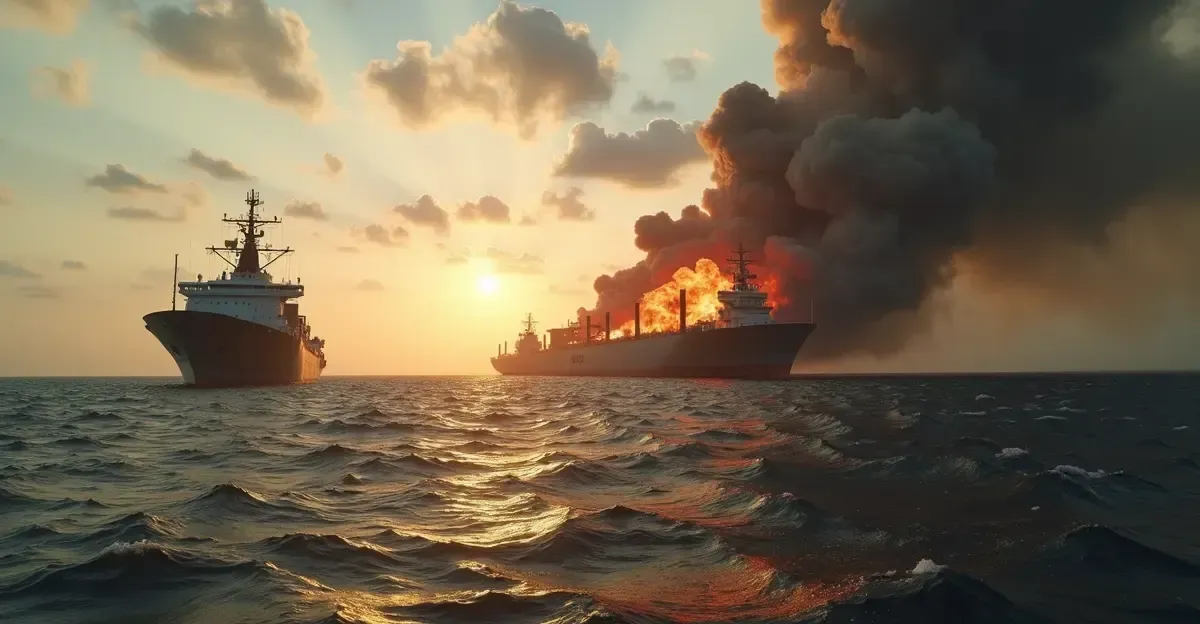
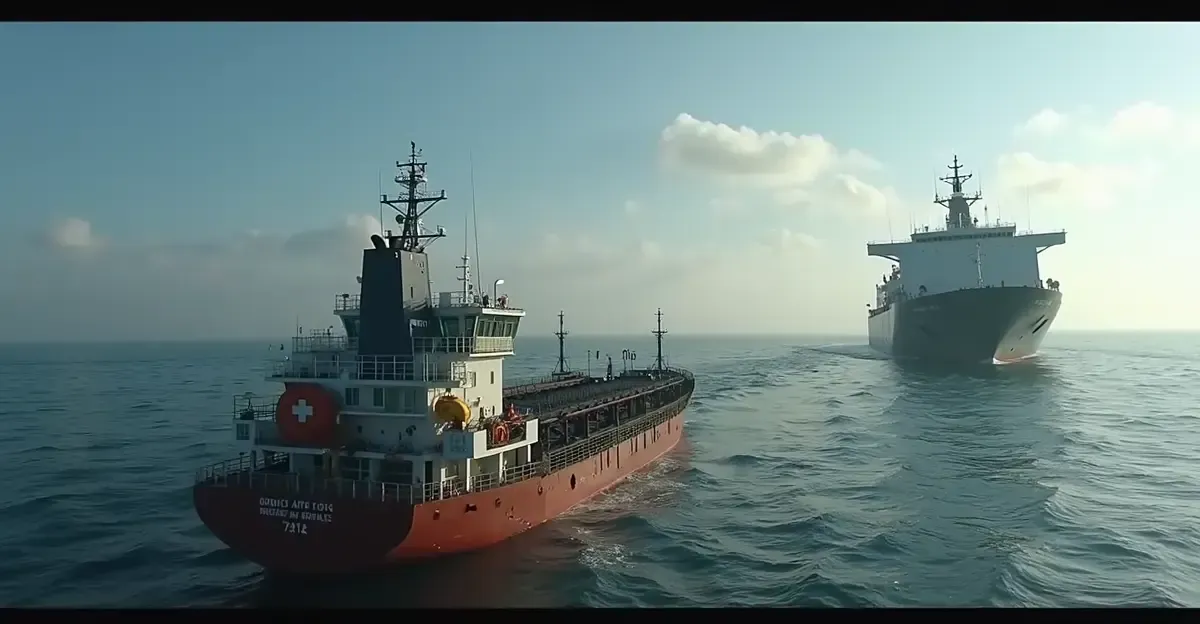
The simmering US-Iran conflict erupted anew in July 2026 as Iranian forces struck three commercial vessels near the Strait of Hormuz, prompting a swift and powerful American retaliation. The attacks, which targeted a Qatari LNG tanker and a Saudi crude oil carrier, mark the most serious breach of the Islamabad Memorandum ceasefire signed in June. US Central Command responded by launching strikes against over 80 Iranian positions, including air defense systems, radar sites, and Revolutionary Guard fast-attack craft. The escalation threatens to plunge the region back into full-scale war and has sent shockwaves through global energy markets.
The 2026 Iran war began on February 28, 2026, after US-Israeli airstrikes killed Iranian Supreme Leader Ali Khamenei and other senior officials during nuclear negotiations. Since then, the conflict has drawn in Hezbollah, the Houthis, and several Gulf states, causing thousands of casualties and massive economic disruption.
Strait of Hormuz: A Strategic Chokepoint Under Siege
The Strait of Hormuz, through which approximately one-fifth of the world's oil once flowed, has become the central battleground in the US-Iran confrontation. On July 7, 2026, Iran struck the Qatari-flagged LNG tanker al-Rakiyat and the Saudi crude carrier Wedyan, with a third vessel also hit. Qatar condemned the attack as a 'grave violation of international law,' while Saudi Arabia called it an 'assault on international navigation.'
In retaliation, President Donald Trump—attending a NATO summit in Turkey—ordered strikes that hit Iranian air defenses, anti-ship missile sites, and dozens of Revolutionary Guard small boats. Iran responded by launching missiles and drones at US installations in Bahrain and Kuwait, with explosions reported near Iran's Bushehr nuclear facility. The tit-for-tat strikes have effectively shattered the June 14 ceasefire agreement, which had briefly allowed the strait to partially reopen.
Humanitarian and Economic Toll
The renewed blockade has stranded approximately 6,000 seafarers in the channel, according to the UN. Global energy markets are reeling: Brent crude jumped 4% to near $78 per barrel amid fears of prolonged supply disruptions. The US Strategic Petroleum Reserve has been drained to its lowest level since 1983—just 319.5 million barrels—while commercial stockpiles in Cushing, Oklahoma remain critically low. Transit costs through the strait have doubled, and traffic is only one-third of normal levels.
The UN Economic Commission for Europe warned that energy prices and volatility will remain elevated for months. 'The resumption of US-Iran strikes risks derailing diplomatic progress,' said UN Secretary-General António Guterres, urging both sides to return to negotiations. The war has already cost US taxpayers an estimated $113.3 billion, and the economic impact of the Iran war is being felt worldwide, from fuel shortages in Vietnam to inflation spikes across Europe.
Global Reactions and Diplomatic Fallout
World leaders have reacted with alarm. The International Maritime Organization condemned the 'reckless attacks' on shipping. NATO allies were reportedly caught off guard by Trump's strike order, which came during the alliance's summit in Turkey. Iran's Parliament Speaker accused the US of major violations of the ceasefire agreement, while the US revoked a waiver allowing Iran to sell oil.
The conflict has also drawn in Lebanon, where Hezbollah has been attacking northern Israel, triggering the 2026 Lebanon war. The US invited Lebanon's president to the White House in a bid to ease tensions, but the situation remains volatile. Meanwhile, the UN Security Council is set to hold an emergency session to discuss the crisis.
Bonnie Tyler Dies at 75: A Musical Icon Remembered
In other news, legendary Welsh singer Bonnie Tyler passed away unexpectedly on July 9, 2026, at a hospital in Portugal at age 75. Known for her powerhouse vocals and global hits 'Total Eclipse of the Heart,' 'Holding Out for a Hero,' and 'It's a Heartache,' Tyler sold millions of records worldwide and was the first Welsh artist to score a US number one single. She received an MBE in 2023 for services to music. Tributes poured in from Catherine Zeta-Jones, Cliff Richard, Bryan Adams, and UK Prime Minister Keir Starmer, who called her an 'iconic figure.'
FAQ: US-Iran Conflict 2026
What caused the 2026 US-Iran war?
The war began on February 28, 2026, after US-Israeli airstrikes killed Iranian Supreme Leader Ali Khamenei and other officials amid stalled nuclear talks.
Is the Strait of Hormuz still open?
Yes, but traffic is severely restricted—only one-third of normal levels—and transit costs have doubled. The strait remains a flashpoint.
What is the Islamabad Memorandum?
A ceasefire framework signed on June 14, 2026, between the US and Iran. It briefly eased tensions but has been effectively broken by the July attacks.
How is the war affecting oil prices?
Brent crude rose to near $78 per barrel in July 2026. Global energy markets face sustained volatility and supply disruptions.
What is the human cost of the conflict?
Thousands of civilians and military personnel have been killed. The UN reports 6,000 seafarers stranded in the Strait of Hormuz, and millions face fuel shortages and economic hardship.
Follow Discussion