


 Deutsch
 English
 Español
 Français
 Nederlands
 Português


 Share
Share




Escalation in the Strait of Hormuz
The United States launched a third wave of military strikes against Iran on July 11-12, 2026, hitting approximately 140 Iranian military targets after Iran's Islamic Revolutionary Guard Corps (IRGC) attacked a container ship in the Strait of Hormuz and declared the waterway closed. This marks the most serious escalation in the 2026 Iran war since a fragile ceasefire was brokered in April. The 2026 Iran war timeline shows a pattern of repeated violations, but this latest confrontation threatens to unravel all diplomatic progress.
Background: The 2026 Iran War
The conflict began on February 28, 2026, with coordinated US-Israeli strikes on Iranian military and nuclear sites. Supreme Leader Ayatollah Ali Khamenei was killed in the opening salvo, along with dozens of senior IRGC officers. Iran retaliated by closing the Strait of Hormuz — a narrow waterway between the Persian Gulf and the Gulf of Oman through which roughly 20% of global oil and 25% of seaborne LNG trade passed annually before the war. A Pakistan-brokered ceasefire took effect on April 8, 2026, but both sides have repeatedly violated its terms.
By July 2026, the human toll has been catastrophic. According to Wikipedia's casualty tracking, total documented deaths exceed 8,000, with over 49,000 injured across multiple countries. Iran has reported 3,482 deaths (HRANA documents 3,636, including 1,701 civilians) and 26,500 injured. Lebanon suffered the highest toll with 4,321 killed and 12,203 injured. The United States has lost 13-18 service members. Over 3.2 million people have been displaced inside Iran.
The July 11-12 Attacks
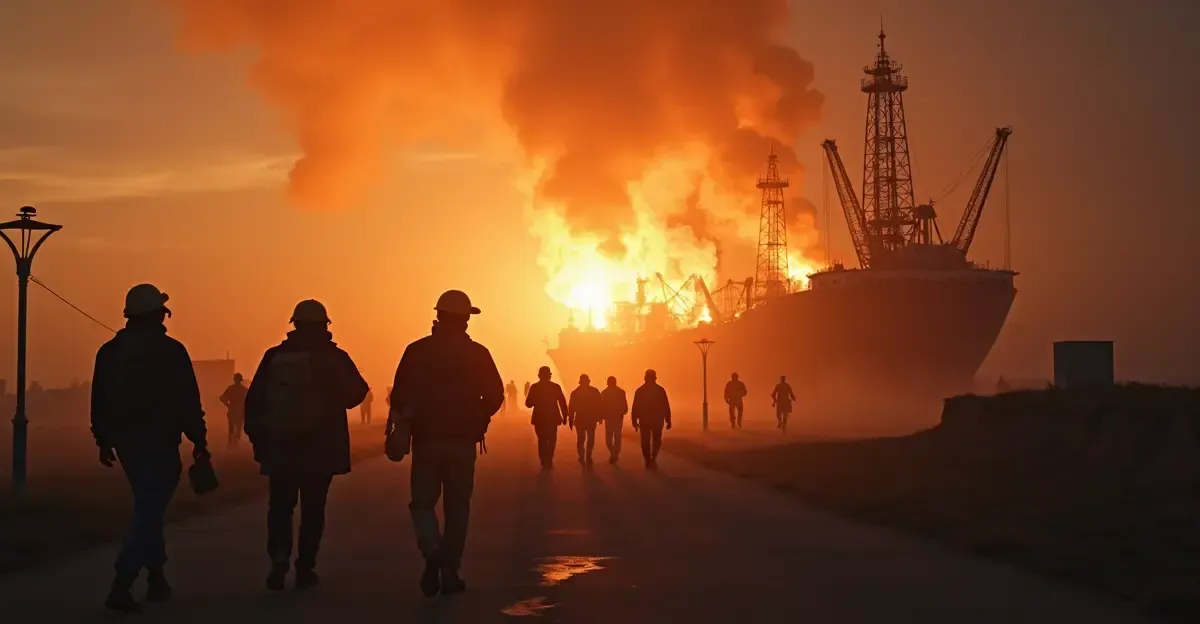
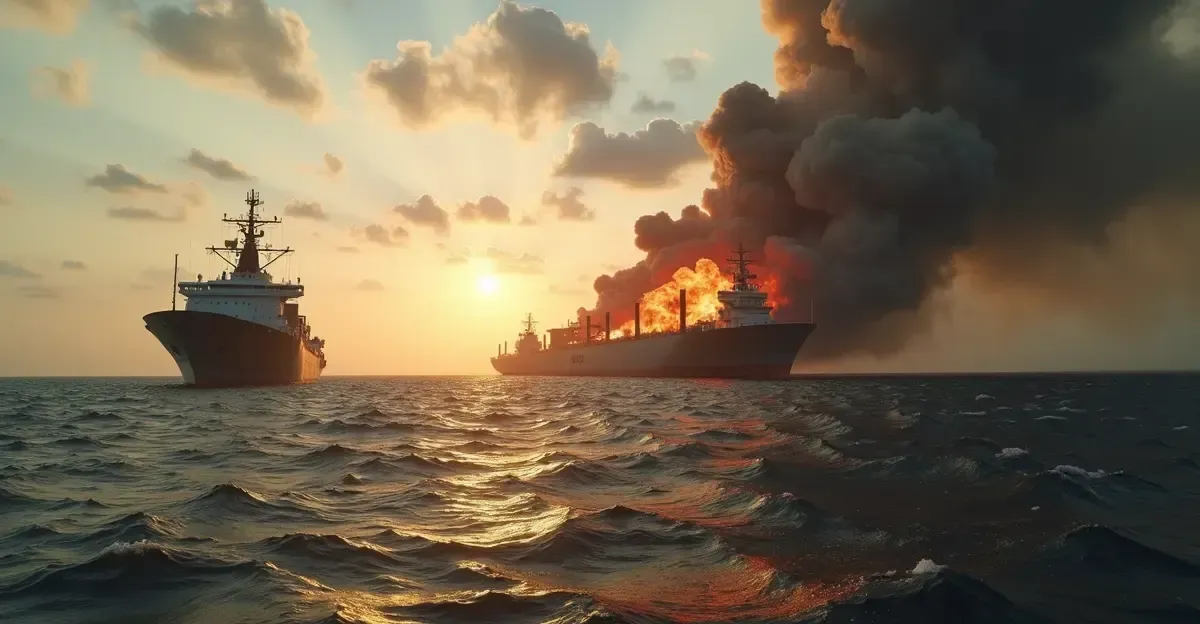
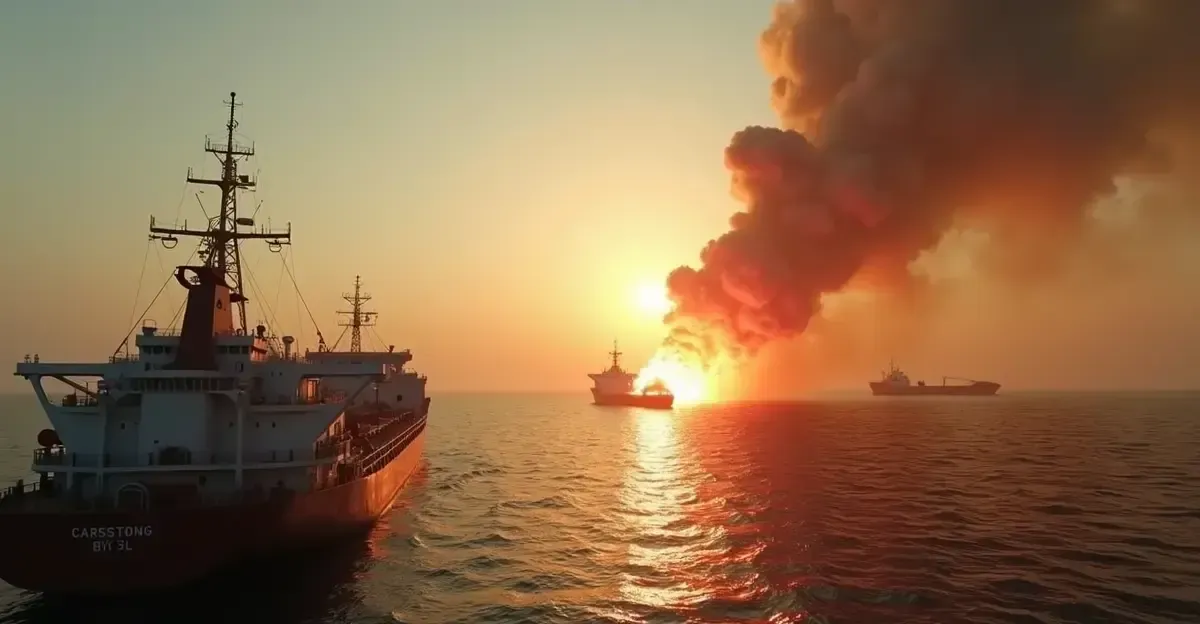
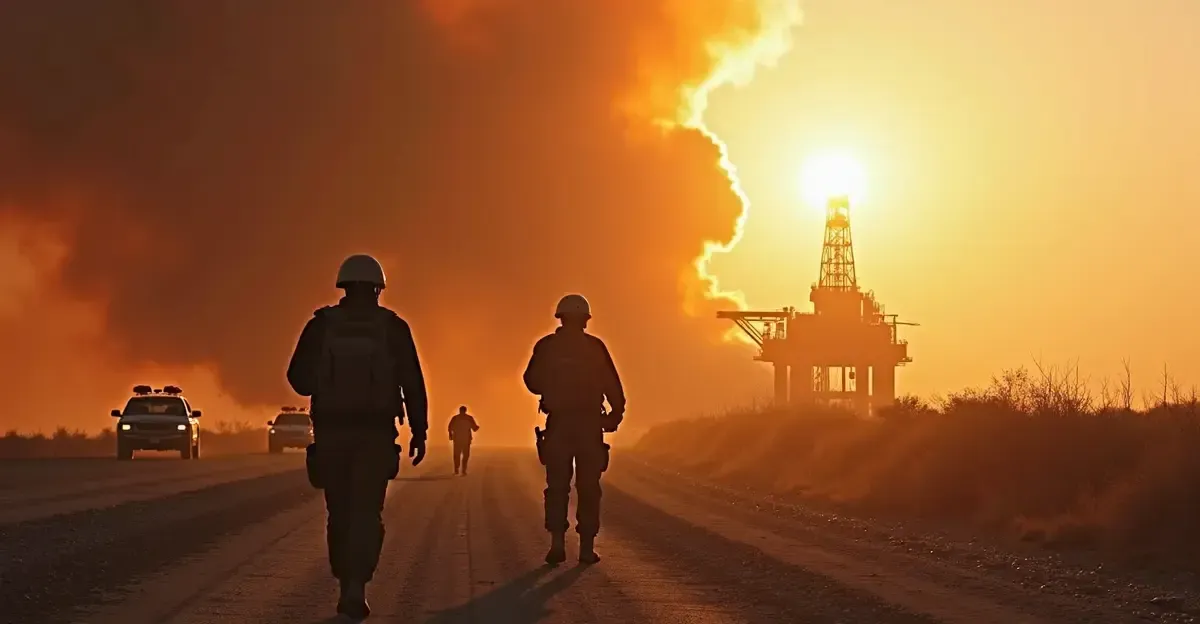
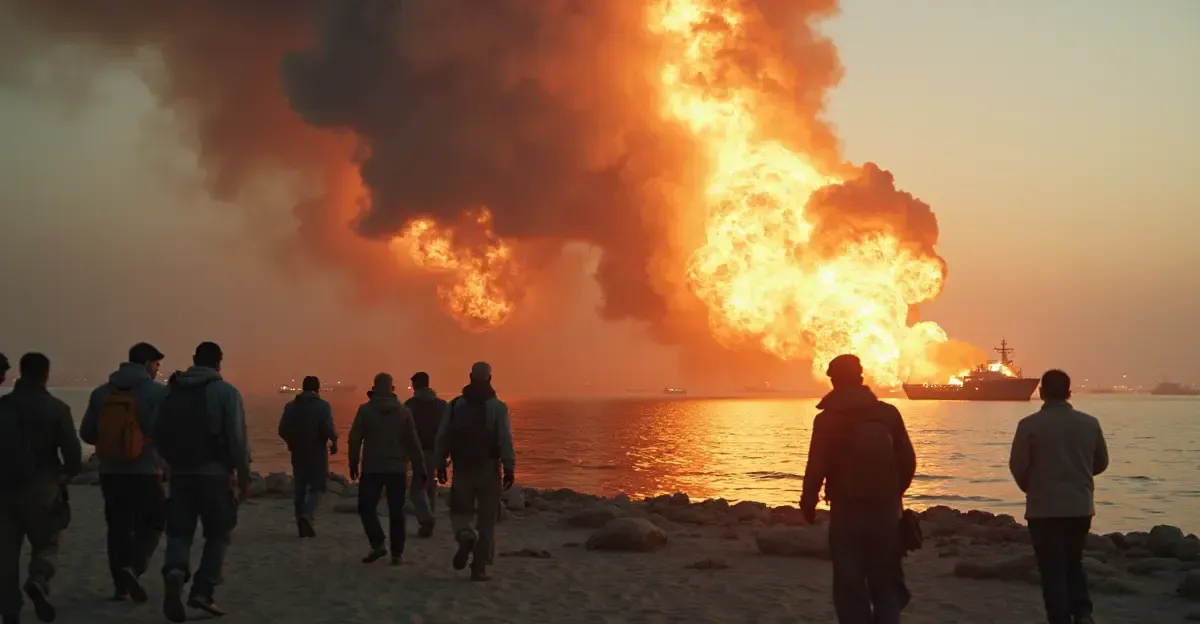
On July 11, Iranian forces fired on a container ship transiting the Strait of Hormuz, setting the vessel ablaze and forcing its crew to abandon it. The IRGC then declared the strait closed to all shipping. US Central Command (CENTCOM) responded with precision strikes on more than 140 targets, including missile and drone launch sites, coastal radar networks, air defense systems, and over 60 small boats used by the Revolutionary Guard. Explosions were reported along Iran's southern coast in Bushehr, Qeshm island, and Bandar Abbas.
Iran retaliated by targeting US military sites in Bahrain, Kuwait, Qatar, and the UAE, as well as Jordan's Prince Hassan Air Base. Multiple Gulf nations reported intercepting missiles or drones. CENTCOM stated it had struck over 300 targets during the week of July 6-12 to degrade Iran's ability to attack commercial shipping.
Global Energy Markets in Turmoil
The closure of the Strait of Hormuz has sent shockwaves through global energy markets. Brent crude futures surged to nearly $89 per barrel on July 12, up from $70.82 on July 2. Analysts warn that if the strait remains closed, prices could break above $90 and threaten the Federal Reserve's soft-landing narrative by making inflation sticky. Saxo Bank analyst Ole Hansen noted: 'The geopolitical risk premium is returning to prices, with $75 being the next natural target if escalation continues.'
The supply disruption is particularly damaging because it comes at a time when the Russia-Ukraine war continues to disrupt oil supplies, with Ukraine targeting Russian refineries and tankers. Together, these events are delaying the expected oil glut and keeping prices elevated. The UN Conference on Trade and Development (UNCTAD) has warned that oil price shocks from Strait of Hormuz disruptions disproportionately impact vulnerable and developing economies, which depend heavily on imported oil and lack fiscal buffers.
Diplomatic Fallout
President Trump declared on July 8 that the ceasefire with Iran was 'over' from his perspective, stating that continued engagement 'constitutes a waste of time.' Iran's new Supreme Leader, Ayatollah Mojtaba Khamenei (son of the slain leader), vowed revenge for his father's killing. Oman has drafted a tentative proposal to manage strait traffic, but US officials stated that negotiations cannot progress until safe passage is assured.
The global reaction to US-Iran conflict has been mixed. Gulf Arab states, while publicly neutral, are deeply concerned about the spillover effects on their own security and economies. Qatar's military intercepted incoming fire during Iran's retaliation, and Doha held Tehran fully responsible for the initial ship attack. European allies have urged restraint, while Russia and China have called for an immediate de-escalation.
What Comes Next?
The immediate outlook is grim. Iran has maintained a chokehold on the Strait of Hormuz since the war began, and its closure threatens to strangle the global economy. The US has made clear it will continue strikes to keep the waterway open, while Iran insists it will remain closed until its demands are met. The 2026 Iran war casualties continue to mount, and with no diplomatic off-ramp in sight, the region faces the prospect of a prolonged and devastating conflict.
Frequently Asked Questions
What is the Strait of Hormuz and why is it important?
The Strait of Hormuz is a narrow waterway between the Persian Gulf and the Gulf of Oman. It is the only sea passage from the Persian Gulf to the open ocean and handles roughly 20% of global oil and 25% of LNG trade annually. Its closure can cause severe supply disruptions and price spikes worldwide.
When did the 2026 Iran war start?
The war began on February 28, 2026, with US-Israeli strikes on Iranian military and nuclear sites. Supreme Leader Khamenei was killed in the opening salvo. A ceasefire was brokered by Pakistan on April 8, 2026, but has been repeatedly violated.
How many people have died in the 2026 Iran war?
As of July 2026, total documented deaths exceed 8,000, with over 49,000 injured. Iran has reported 3,482 deaths (including 1,701 civilians), Lebanon 4,321 deaths, and the US 13-18 service members killed.
How have oil prices been affected?
Brent crude surged to nearly $89 per barrel on July 12, up from $70.82 on July 2. Prices have been highly volatile, with a range of $71.41 to $78.35 in July alone. Analysts warn prices could break $90 if the strait remains closed.
What is the current status of the ceasefire?
President Trump declared the ceasefire 'over' on July 8. While no formal termination has been announced, both sides continue military operations, and diplomatic efforts led by Oman and Pakistan have stalled.
Follow Discussion