


 Deutsch
 English
 Español
 Français
 Nederlands
 Português


 Share
Share




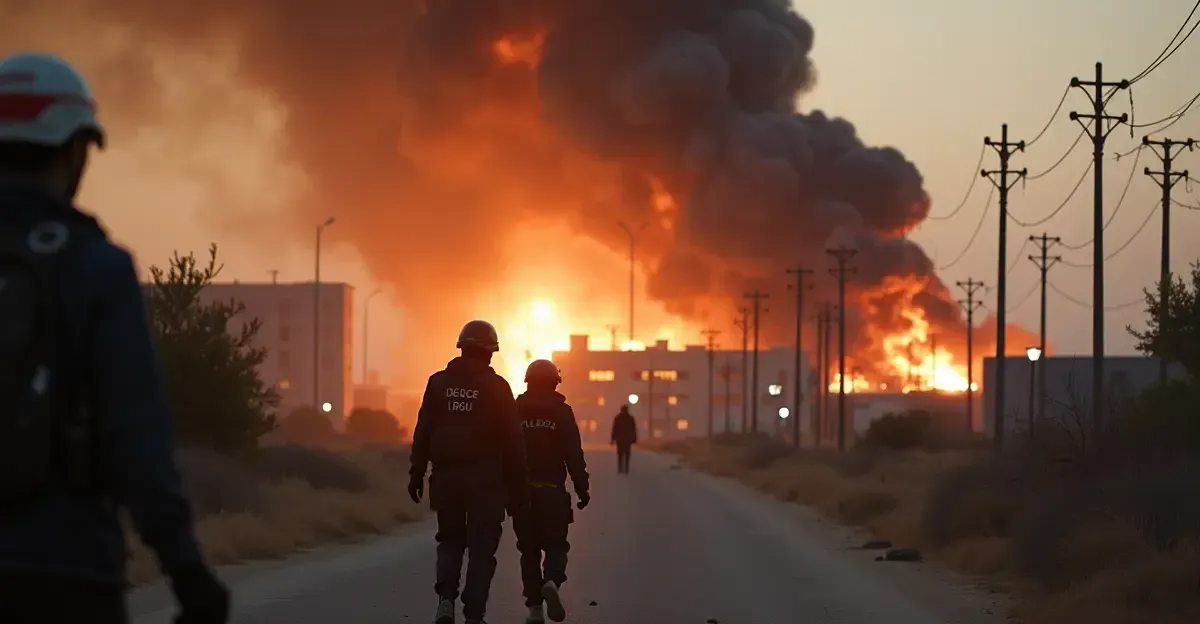
Six months after President Donald Trump launched Operation Epic Fury alongside Israel, a clear majority of Americans now say the war against Iran is not worth fighting. A new AP-NORC poll released in late July 2026 finds that 64% of U.S. adults believe the conflict has not been worth the cost, while only 33% say it has been. The numbers mark a dramatic shift from the early days of the bombing campaign, which began on 28 February with the assassination of Iran's Supreme Leader Ali Khamenei and the destruction of key military sites.
Growing Discontent: Six Months of Shifting Goals
President Trump initially promised a short, decisive operation lasting "four to six weeks." Instead, the war has dragged into its sixth month, with the administration repeatedly adjusting its objectives and timelines. The Strait of Hormuz blockade has choked global oil supplies, pushing gasoline prices above $4 per gallon in many parts of the United States. For a president who campaigned on ending "forever wars," the prolonged engagement is testing the patience of even his most loyal supporters.
Veterans in Vance's Hometown Voice Frustration
In Middletown, Ohio — the birthplace of Vice President JD Vance — the mood among veterans at Post 218, a local veterans' organization, reflects the national weariness. "It bounces all over the place, we have no clear goal," said John Cox, a retired sergeant first class who served in Vietnam. "Back then, the idea was also that we'd be in and out quickly. That war lasted nineteen years."
Jeff Manning, a former Army bomb builder, was even more blunt. "They say one thing with their mouth, and something completely different comes out the other end," he said. "I don't see a war. I see innocent people dying because governments want to expand their power." Manning's sentiment echoes the growing perception that the conflict lacks a coherent strategy — a charge that has dogged the Trump administration as the US military intervention in Iran grinds on.
Economic Pain at the Pump Fuels Opposition
While concerns over rising casualties and depleted weapons stockpiles persist, it is the soaring cost of living that is driving the sharpest backlash. With the Strait of Hormuz — a critical chokepoint for global oil shipments — largely blocked since late March, American households are feeling the squeeze. A POLITICO poll found that only 37% of voters are now willing to bear the economic pain of the war, down from 50% in May. Among MAGA voters, support has plummeted from roughly two-thirds to just over one-third.
The economic impact of the Iran war oil price surge is hitting working-class communities like Middletown especially hard. Jerry Dobbins, a neighbor of the house where JD Vance grew up, acknowledged the dilemma. "Politically, I think we're trying to do the right thing. If there's one country that shouldn't have nuclear weapons, it's Iran. As much as I'd like it not to be necessary, if ground troops are needed, maybe that's what it takes to finish this."
JD Vance's Shifting Stance and the Midterm Implications
The vice president has found himself in an increasingly awkward position. Before the war, Vance was a vocal critic of foreign interventions, once warning in a leaked Signal group chat that strikes on Iran-backed Houthis would be "a mistake" and risk "spiking oil prices" without public understanding. That message fell on deaf ears. Now, with midterm elections looming, Vance must defend a war he privately questioned while his hometown constituents grow restless.
A small memorial bench dedicated to "Mamaw" — the grandmother who raised Vance — sits in a park near his childhood home. One neighbor joked that if it bore Vance's name, "someone would have tied it to their pickup truck and it would already be gone." The JD Vance Iran war stance has become a political liability in a state where manufacturing jobs remain scarce and gas prices dominate kitchen-table conversations.
Back at Post 218, Danny, a former Marine, offered a pragmatic view. "It shouldn't have come to this," he said of Trump's broken campaign promise to end wars rather than start new ones. "Iran is a tough one. I just hope he finishes the job and then we can pack up."
The war has already cost the U.S. an estimated $33 billion, according to Trump administration figures, with the Pentagon requesting an additional $67.1 billion in emergency funding. With 64% of Americans now saying the war is not worth it, and the 2026 midterms fast approaching, the political calculus for the White House is becoming perilous.
Frequently Asked Questions
Why did the US go to war with Iran?
The US and Israel launched Operation Epic Fury on 28 February 2026, citing the need to prevent Iran from obtaining nuclear weapons, destroy its missile capabilities, and decapitate its leadership. The strikes killed Supreme Leader Ali Khamenei and targeted military infrastructure across Iran.
How many Americans support the Iran war?
According to an AP-NORC poll from late July 2026, only 33% of Americans say the war is worth fighting, while 64% say it is not. Support among Republicans has also declined, from 71% in June to 61% in July.
What is the cost of the Iran war so far?
The Trump administration has acknowledged a cost of at least $33 billion as of August 2026, with independent estimates ranging as high as $39 billion. The Pentagon has requested $67.1 billion in additional emergency funding.
How has the war affected gas prices?
The closure of the Strait of Hormuz has disrupted global oil supplies, pushing US gasoline prices above $4 per gallon and contributing to broader inflation and economic anxiety.
What is JD Vance's position on the Iran war?
Vice President JD Vance initially expressed private reservations, warning that the public might not understand the necessity of the war and that oil prices would spike. However, he has since publicly defended the administration's actions, creating tension with his earlier anti-interventionist rhetoric.
Follow Discussion