


 Deutsch
 English
 Español
 Français
 Nederlands
 Português


 Share
Share




Senate Votes to Limit Presidential War Authority for First Time
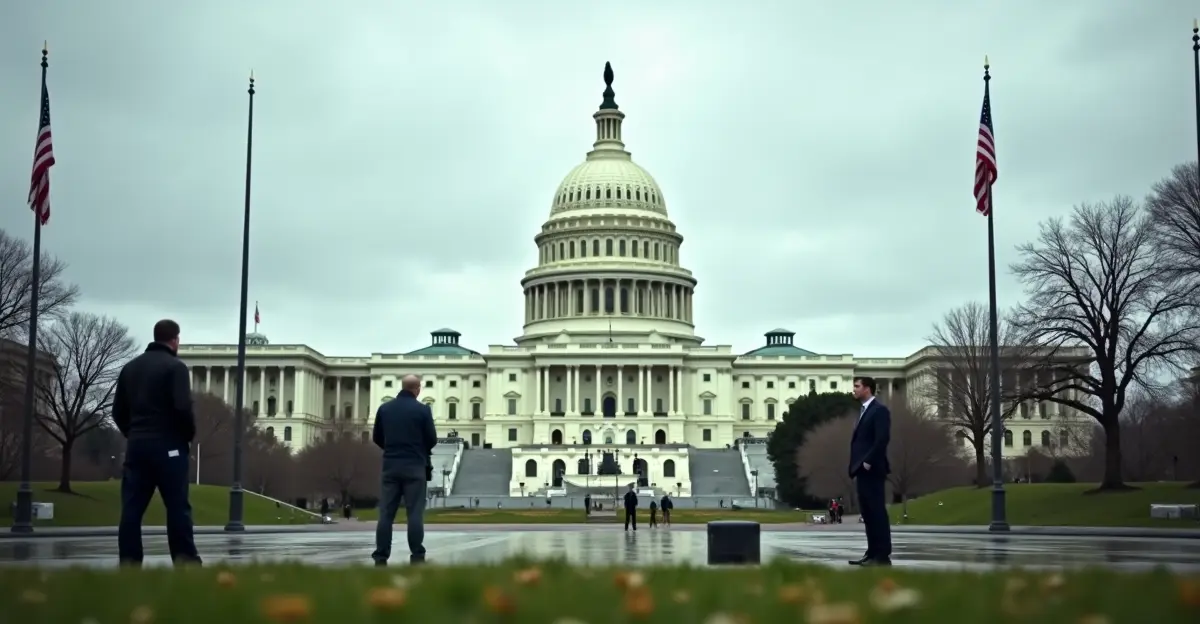
In a landmark bipartisan vote on June 23, 2026, the U.S. Senate approved a war powers resolution directing President Donald Trump to remove American forces from hostilities against Iran, marking the first time either chamber of Congress has successfully passed such a measure during the ongoing conflict. The 50-48 vote represents a rare and significant congressional rebuke of the president's authority to wage war without explicit legislative approval.
The resolution, which had already cleared the House of Representatives on June 3 by a vote of 215-208, invokes the 1973 War Powers Resolution to assert Congress's constitutional role in authorizing military action. Four Republican senators — Bill Cassidy, Susan Collins, Lisa Murkowski, and Rand Paul — crossed party lines to join Democrats in supporting the measure, while Democratic Senator John Fetterman broke with his party to vote against it.
Historic Bipartisan Breakthrough
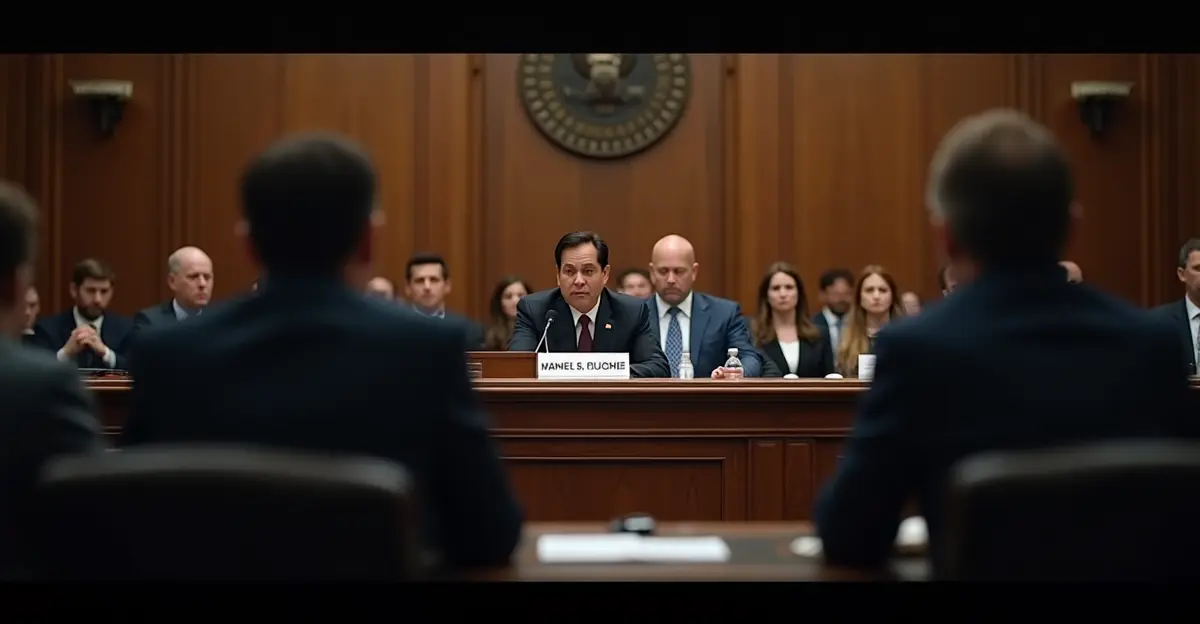
The Senate vote came after nine previous attempts by Democrats to advance similar resolutions had failed, blocked each time by the Republican majority. This time, the absences of Republican Senators Mitch McConnell and Dave McCormick — both away campaigning — proved decisive. With the chamber split 50-50 between parties, the four Republican defections and one Democratic opposition produced a narrow victory for the resolution's supporters.
"This is the perfect time for Congress to have a discussion about the rationale for this war and the economic toll it is taking on the American people," said Senator Tim Kaine (D-VA), the resolution's lead sponsor and a longtime advocate for reasserting congressional war powers. "The Constitution gives Congress the power to declare war, not the president alone."
The resolution directs the president to remove U.S. Armed Forces from hostilities against Iran within 30 days unless Congress declares war or explicitly authorizes the use of military force. As a concurrent resolution, it does not require the president's signature and carries no force of law, making the action largely symbolic. However, supporters argue it sends a powerful political message.
White House Dismisses Vote as 'Meaningless'
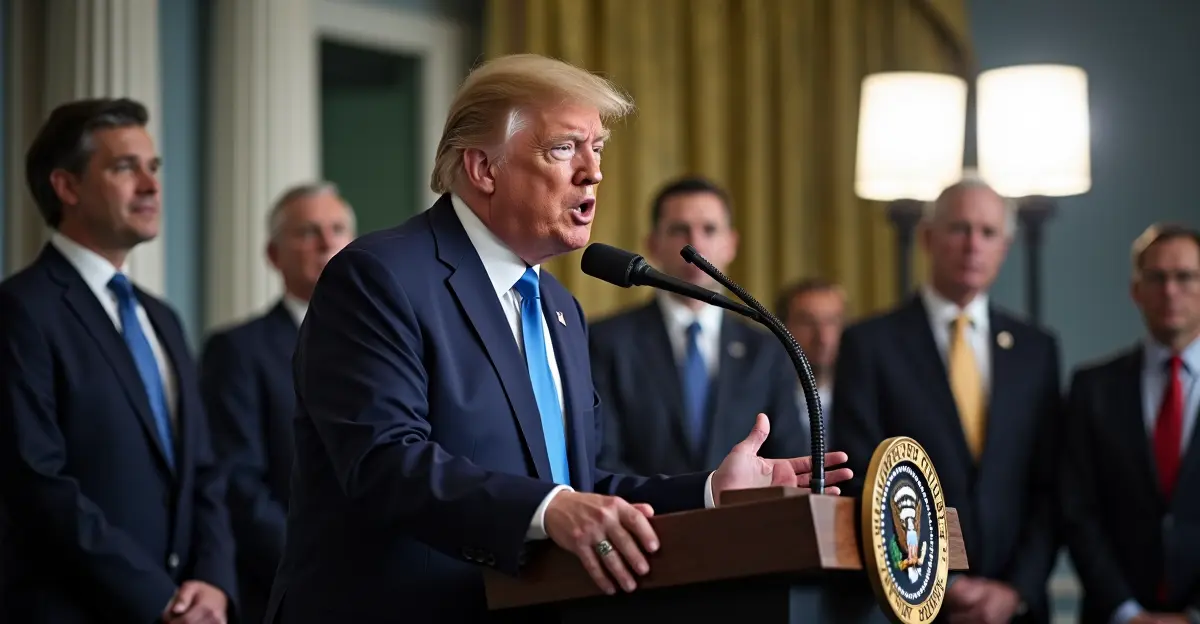
President Trump swiftly dismissed the Senate vote on his Truth Social platform, calling it "poorly timed and meaningless" and accusing the four Republican supporters of providing "aid and comfort to the Enemy." The White House argued that the resolution is moot because hostilities effectively ended with a ceasefire brokered by Pakistan on April 7, 2026, which was later extended by 60 days on May 28.
Despite the administration's dismissive stance, the vote underscores growing unease within Trump's own party over the direction of the Iran war. The conflict, which began on February 28, 2026, after U.S.-Israeli airstrikes killed Iran's Supreme Leader Ali Khamenei, has resulted in thousands of casualties, massive infrastructure damage across the Middle East, and global economic disruption due to Iran's closure of the Strait of Hormuz.
The 2026 Iran war ceasefire has held tenuously, with both sides accusing each other of violations. On June 17, the U.S. and Iranian presidents signed a memorandum of understanding to negotiate final terms for ending the war, but key issues — including sanctions relief, nuclear restrictions, and the status of Iran's regional proxies — remain unresolved.
Congressional War Powers: A Constitutional Showdown
The War Powers Resolution of 1973, enacted over President Richard Nixon's veto, requires the president to notify Congress within 48 hours of committing armed forces to military action and forbids forces from remaining for more than 60 days without congressional authorization. Critics argue that successive administrations — both Democratic and Republican — have routinely violated the law, but no court has ever enforced it against a sitting president.
Senate Majority Leader John Thune (R-SD) acknowledged that Congress would need to consider the resolution's implications but stopped short of endorsing it. House Foreign Affairs Committee Chairman Gregory Meeks (D-NY) said he plans to "explore all legal avenues to ensure compliance" with the measure, asserting that it is binding under the 1973 law.
Legal experts remain skeptical. No war powers resolution has ever overcome a presidential veto, and courts have historically declined to rule on the constitutionality of such measures. The path to enforcement would likely require Congress to cut off funding for the war — a step neither party has shown appetite for.
Economic and Geopolitical Fallout
The Iran war has exacted a heavy economic toll. Iran's closure of the Strait of Hormuz — through which about 20% of the world's oil passes — sent global energy prices soaring, contributing to inflation and economic uncertainty worldwide. Defense contractors, including RTX, Lockheed Martin, and Northrop Grumman, have seen sustained demand for munitions, but the broader fiscal environment remains strained.
Senate Democratic Leader Chuck Schumer criticized the administration's handling of the conflict before the vote: "Trump has given Iran everything: their terrorist proxies, control over the Strait of Hormuz, their oil revenues. And what we get in return is still an open question."
Meanwhile, Gulf leaders from Qatar, Saudi Arabia, and the UAE have reportedly urged Trump to delay further military action to allow peace negotiations to proceed. Trump stated he was "an hour away" from ordering a major strike on Iran before suspending it at their request, though he warned he remains prepared for a full-scale assault if no deal is reached.
What Happens Next?
The resolution now heads to the president's desk, though as a concurrent resolution it does not require his signature. Trump is expected to ignore it entirely. The House and Senate could attempt to pass a joint resolution — which would carry the force of law — but such a measure would face a certain veto and would need a two-thirds majority in both chambers to override, a threshold far beyond current support.
Other possible avenues include Congress denying funding for the Iran war or the issue ending up in court. However, given historical precedent and the current political dynamics, the resolution's practical impact remains limited — but its political significance is undeniable.
"This vote shows that the president's iron grip on his party is not absolute," said one senior Democratic aide. "The war in Iran is deeply unpopular, and more Republicans are starting to listen to their constituents."
Frequently Asked Questions
What is the War Powers Resolution?
The War Powers Resolution of 1973 is a federal law that requires the president to notify Congress within 48 hours of committing U.S. forces to military action and limits the deployment to 60 days without congressional authorization. It was enacted to check presidential power to engage in armed conflict without legislative consent.
Does the Senate resolution force Trump to end the Iran war?
No. The resolution is a concurrent resolution, which does not carry the force of law. It is largely symbolic, expressing Congress's opinion that the president should seek authorization. The president can ignore it without legal consequence.
Why did four Republicans vote against their party?
Senators Cassidy, Collins, Murkowski, and Paul have long expressed concerns about presidential overreach in military matters and the lack of a clear strategy in Iran. Their votes reflect growing unease within the GOP about the war's costs and unclear objectives.
What is the current status of the Iran war?
A ceasefire brokered by Pakistan began on April 8, 2026, and was extended by 60 days on May 28. A memorandum of understanding was signed on June 17 to negotiate final terms. However, the ceasefire remains fragile, with sporadic violations reported by both sides.
Could Congress cut off funding for the war?
Yes, Congress could use its power of the purse to deny funding for military operations in Iran. However, such a move would require majority votes in both chambers and would almost certainly face a presidential veto. No serious effort to defund the war has been mounted to date.


Follow Discussion