


 Deutsch
 English
 Español
 Français
 Nederlands
 Português


 Share
Share




US Troop Surge Explained: 10,000 Additional Forces Deployed to Middle East
The United States is deploying over 10,000 additional troops to the Middle East in a significant military escalation aimed at increasing pressure on Iran amid ongoing tensions and a fragile ceasefire. This major troop movement, reported by The Washington Post and confirmed by Pentagon officials, represents one of the largest US military buildups in the region since the beginning of the 2026 Iran war in February.
What is the US Troop Deployment to the Middle East?
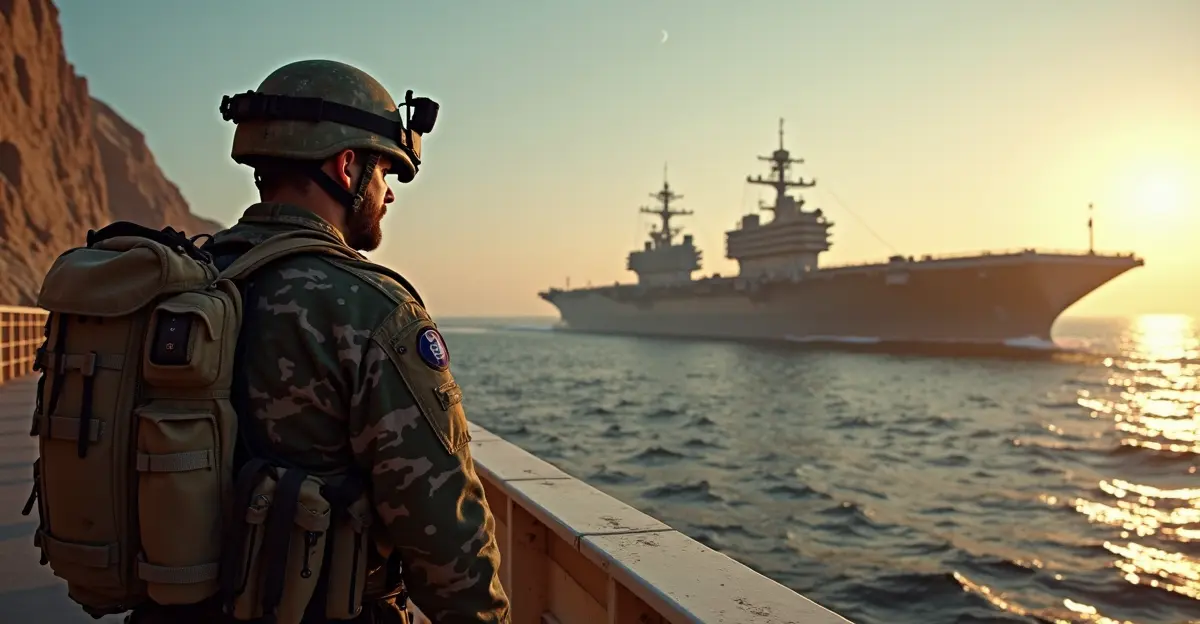
The Pentagon is sending approximately 10,000 additional military personnel to the Middle East over the coming days, bringing the total US military presence in the region to around 60,000 troops. The deployment includes 6,000 personnel aboard the USS George H.W. Bush aircraft carrier and 4,200 troops from the Boxer Amphibious Ready Group with the 11th Marine Expeditionary Unit. This strategic move comes as the current ceasefire between the US and Iran is set to expire on April 22, 2026, with negotiations having reached an impasse.
Background: The Strait of Hormuz Blockade
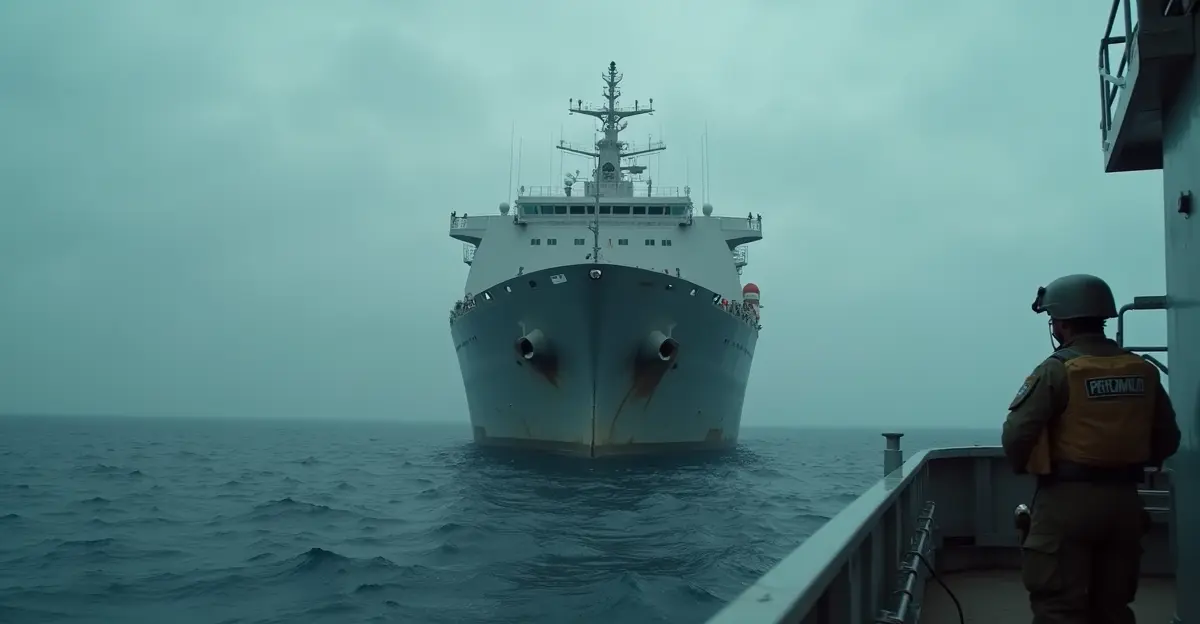
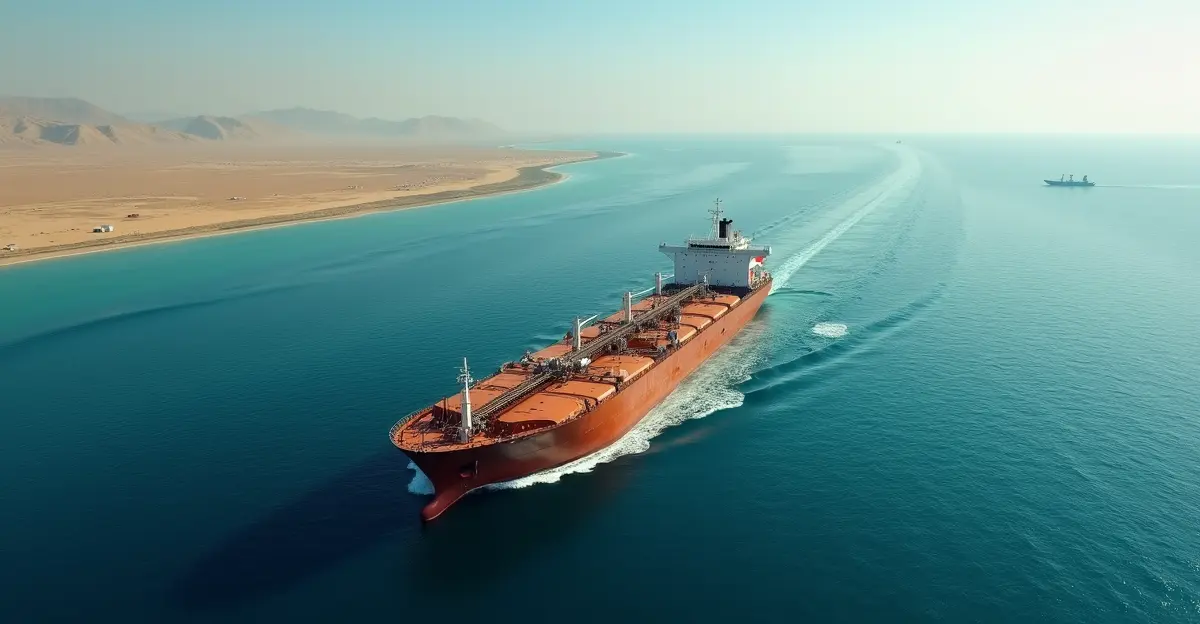
The troop surge follows the implementation of a US naval blockade of Iranian ports in the strategic Strait of Hormuz, which began on Monday, April 13, 2026. The Strait of Hormuz is one of the world's most critical choke points for global oil shipments, with approximately 25% of seaborne oil trade passing through annually. The US claims to have established "maritieme superioriteit" within 36 hours of initiating the blockade, though tracking data suggests some ships continue to navigate the waterway.
"Geen enkele haven in de regio zal veilig zijn," warned the Iranian military in a statement on state television, denouncing the blockade as piracy. The Iranian regime has threatened retaliation against Gulf states if the blockade continues, creating significant regional security concerns.
Military Assets in the Region
With the arrival of the USS George H.W. Bush, the US will have three aircraft carriers operating in the Middle East:
- USS George H.W. Bush (carrying 6,000 personnel)
- USS Abraham Lincoln (already deployed)
- USS Gerald Ford (already deployed)
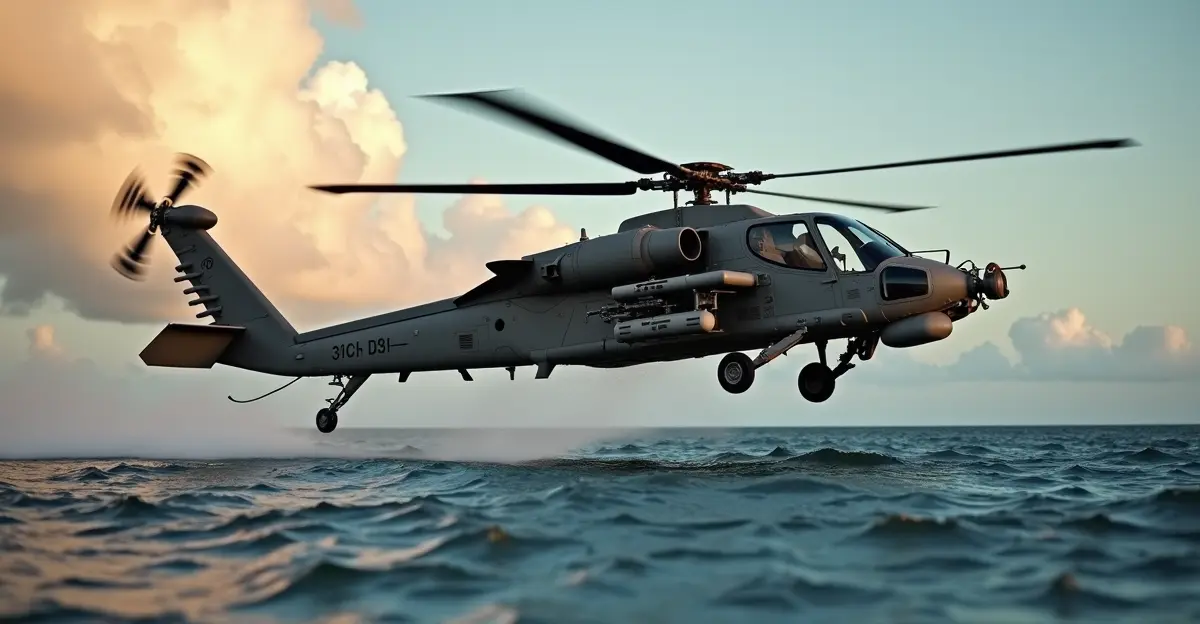
In addition to these carriers, dozens of other warships and over 100 aircraft are positioned primarily in the Gulf of Oman. The military buildup provides the US with significant strike capabilities, including the option for additional attacks or even ground operations if the ceasefire collapses completely.
Why is the US Sending More Troops Now?
Several factors are driving this military escalation:
- Ceasefire Deadline: The current fragile ceasefire expires on April 22, 2026, and negotiations have failed to produce a lasting agreement.
- Economic Pressure: The blockade aims to economically pressure Iran by restricting its oil exports, which account for approximately 90% of the country's export revenue.
- Negotiation Leverage: US officials hope the increased military presence will force Iran back to the negotiating table with more favorable terms.
- Regional Security: The deployment serves as a deterrent against potential Iranian retaliation or escalation.
Political Context and Statements
President Donald Trump has made contradictory statements about the conflict, recently claiming that "Het is volgens mij heel dicht bij het einde" ("It's very close to the end, in my opinion") in an interview with Fox News. However, this optimism contrasts with the military escalation and follows a pattern of premature victory declarations since the conflict began on February 28, 2026.
Vice President J.D. Vance, who led unsuccessful negotiations in Pakistan over the weekend, remains optimistic about the possibility of renewed talks despite the current impasse. "The ball is in the Iranian court," Vance stated, emphasizing that the US has made its red lines clear.
Potential Impacts and Risks
The troop deployment and blockade carry significant risks:
| Risk Category | Potential Impact |
|---|---|
| Economic | Oil prices have already surged above $130/barrel, potentially causing global recession |
| Military | Increased likelihood of direct confrontation and casualties |
| Regional Stability | Threats to Gulf state security and potential proxy conflicts |
| Global Shipping | Disruption to 25% of global oil trade through the Strait of Hormuz |
Critics and former military officials warn that further escalation could lead to significant economic consequences and potentially heavy military losses. The conflict has already resulted in approximately 787 Iranian military casualties, 11 Israeli deaths, and over 242 civilian fatalities across affected countries since February.
International Reactions
China, which purchases 90% of Iran's oil exports, has criticized the US blockade as "dangerous and irresponsible." The International Maritime Organization has stated there is no legal basis for blocking international shipping routes, adding to the diplomatic tensions surrounding the US action.
Pakistan continues to push for renewed negotiations before the ceasefire expires, with its army chief recently visiting Iran to facilitate discussions. The situation remains fluid, with the potential for rapid escalation if diplomatic efforts fail.
FAQ: US Troop Deployment to Middle East
How many US troops are being sent to the Middle East?
The US is deploying approximately 10,000 additional troops, including 6,000 aboard the USS George H.W. Bush and 4,200 with the Boxer Amphibious Ready Group.
When did the Strait of Hormuz blockade begin?
The US naval blockade of Iranian ports in the Strait of Hormuz began on Monday, April 13, 2026, at 10:00 AM EDT.
What is the current US military presence in the Middle East?
Approximately 50,000 US troops were already deployed in the region before this latest deployment, bringing the total to around 60,000.
When does the ceasefire between US and Iran expire?
The current fragile ceasefire is set to expire on April 22, 2026, unless extended through successful negotiations.
What are the main sticking points in negotiations?
Key issues include Iran's nuclear ambitions, safe passage protocols for the Strait of Hormuz, reconstruction support, and sanctions relief. Similar to the US-China trade negotiations of previous years, both sides have presented demands that the other finds unacceptable.
Follow Discussion