


 Deutsch
 English
 Español
 Français
 Nederlands
 Português


 Share
Share




Trump Announces 'Project Freedom' to Free Trapped Vessels
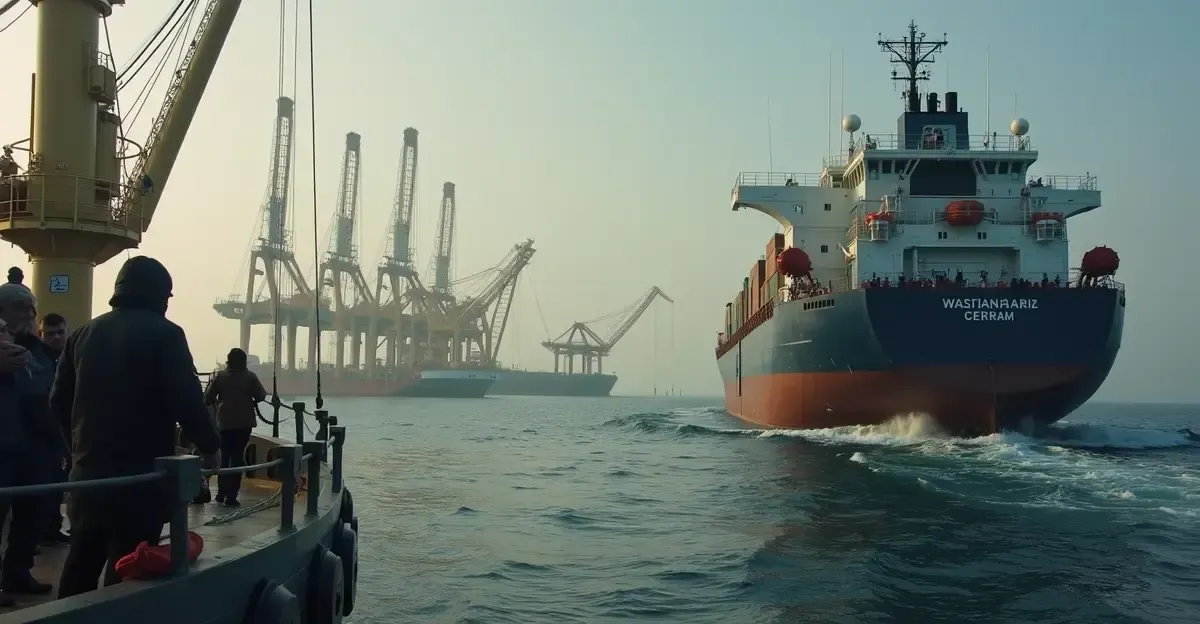
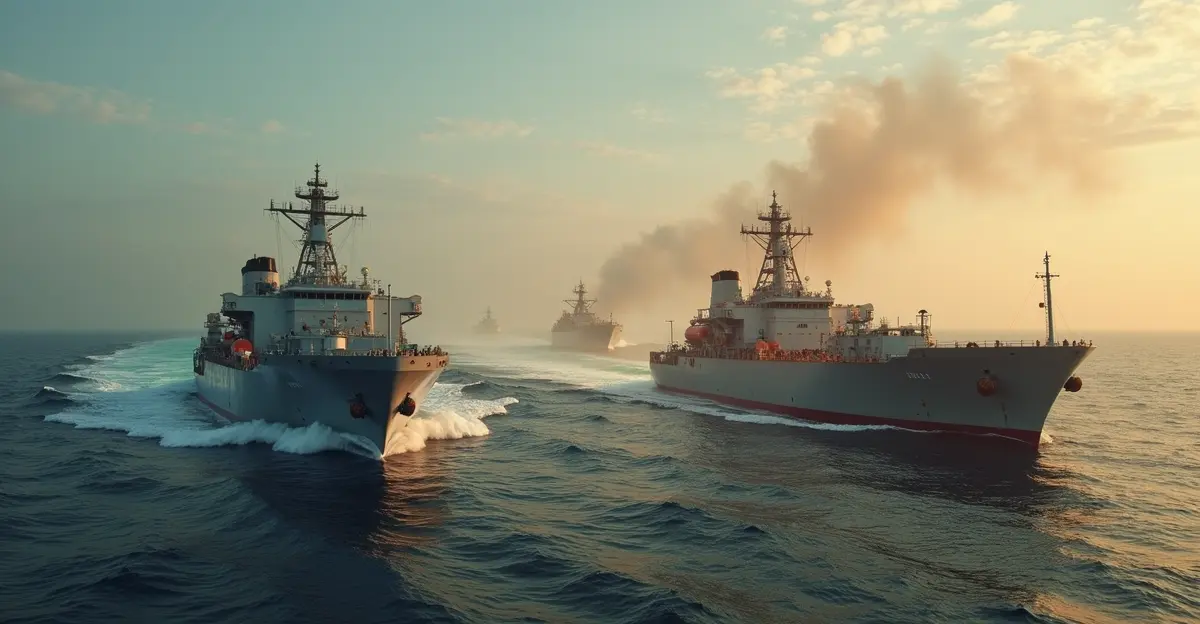
President Donald Trump announced on Sunday that the United States will launch Project Freedom, a military-led operation to guide hundreds of civilian ships stranded in the Strait of Hormuz since the outbreak of the US-Iran war in late February 2026. The strategic waterway, through which approximately 20% of the world's crude oil and 25% of LNG transits, has been effectively closed for over two months due to Iranian mines, attacks, and the subsequent US naval blockade.
"The United States will begin immediately to guide ships that are stuck in the Strait of Hormuz," Trump wrote on Truth Social. "This is a humanitarian operation. Many vessels have been anchored for weeks without adequate food and supplies. Project Freedom will prioritize ships flagged in neutral, non-conflict countries." The operation is set to commence on Monday, May 4, 2026.
Background: How the Strait of Hormuz Became a Flashpoint
The Strait of Hormuz, a 104-mile-long chokepoint between the Persian Gulf and the Gulf of Oman, has been at the center of escalating tensions since the US and Israel launched strikes against Iran on February 28, 2026. In response, Iran effectively closed the strait by mining the waters and attacking commercial vessels. The US then imposed a naval blockade on Iranian ports on April 13, further trapping ships inside the gulf. As many as 800 to 2,000 vessels with over 20,000 seafarers are estimated to be stranded, according to maritime intelligence sources.
The situation mirrors earlier crises but has escalated to an unprecedented level. The Strait of Hormuz crisis of 2026 has disrupted global energy markets, with oil prices spiking and the IMF cutting its global growth forecast to 3.1%.
Operation Details: A Massive Naval Deployment
The Pentagon confirmed that US Central Command (CENTCOM) will oversee Project Freedom, deploying guided-missile destroyers, over 100 aircraft, unmanned maritime platforms, and approximately 15,000 service members. The stated goal is to restore freedom of navigation and safely evacuate civilian vessels not affiliated with the conflict.
However, analysts question whether the US Navy has sufficient assets in the region. As of late April, only 12 destroyers were available, many already committed to blockade enforcement and carrier escort duties. "The Navy does not have enough ships to conduct traditional convoy operations while maintaining the blockade," said a former CENTCOM planner. "This will likely involve a show of force to deter Iranian attacks rather than full escort convoys."
The operation comes amid a fragile ceasefire that was brokered in early April. Trump warned Iran not to interfere: "If this humanitarian process is hindered in any way, it will be dealt with forcefully, unfortunately."
Iran's Warning: Ceasefire Violation
Iran reacted swiftly and sharply. Ebrahim Azizi, head of the security committee in the Iranian parliament, posted on X: "Any American interference in the new maritime regime of the Strait of Hormuz will be considered a violation of the ceasefire." He added in capital letters: "WARNING. The Strait of Hormuz and the Persian Gulf are not managed by the delusions of Trump's messages!"
Iran's foreign ministry confirmed it is reviewing a US counterproposal to end the war but stated that the US must abandon "excessive demands." Tehran has previously offered to reopen the strait if the US lifts its blockade, but no agreement has been reached. The US-Iran ceasefire negotiations remain fragile, with both sides accusing each other of violations.
Renewed Attacks Heighten Tensions
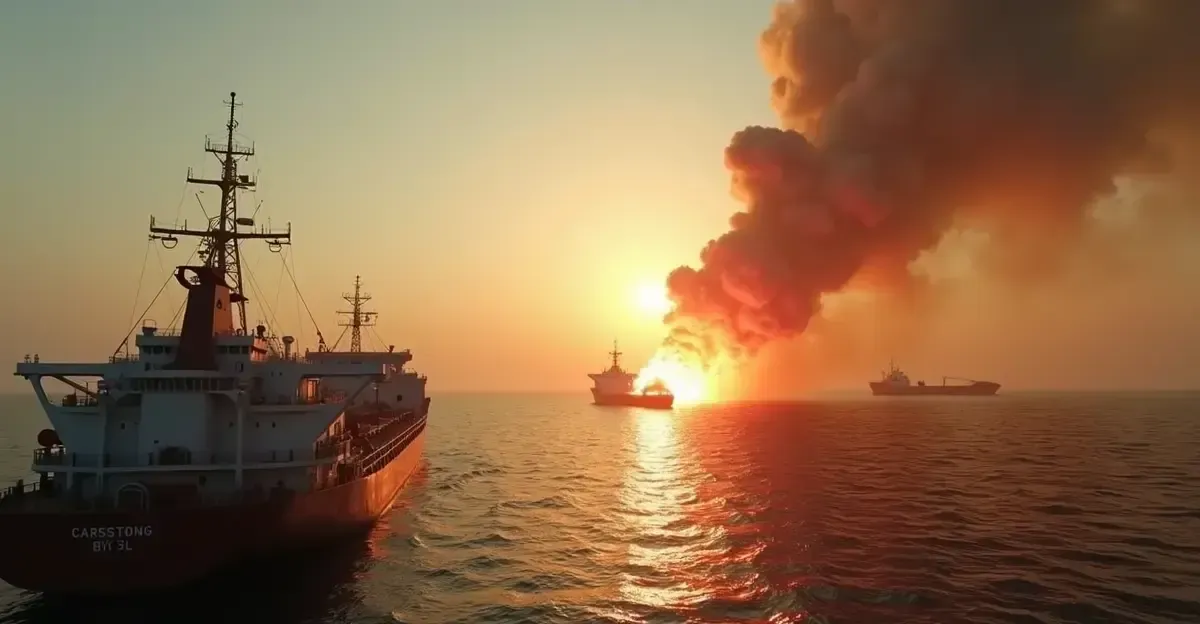
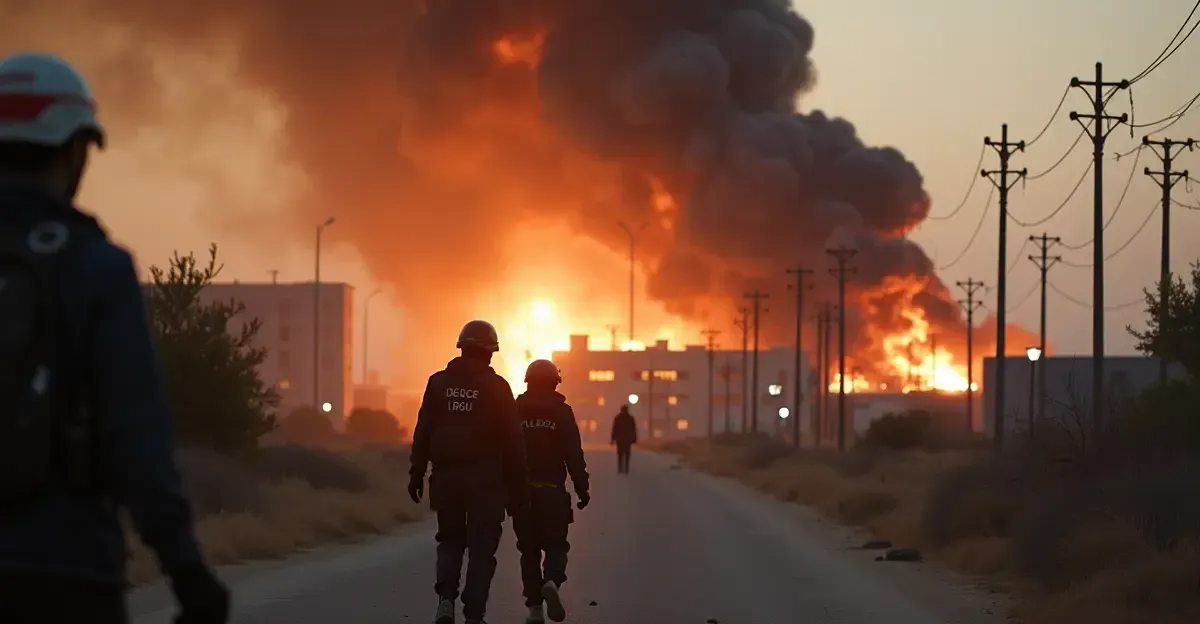
Hours before Trump's announcement, a tanker was struck by unknown projectiles approximately 78 nautical miles north of Fujairah, UAE, according to the UK Maritime Trade Operations (UKMTO). Earlier the same day, a bulk carrier was attacked by multiple small craft near Sirik, Iran. All crew members were reported safe with no environmental damage. The attacks underscore the volatile security environment in the region.
On May 4, Iran claimed it stopped a US warship from transiting the strait, with state media reporting missiles fired near Jask island. A senior US official denied the ship was hit, but the incident highlights the hair-trigger nature of the confrontation.
The situation has also drawn in regional powers. China condemned the US blockade as "dangerous and irresponsible," while Gulf states remain caught in the middle. The global economic impact of the Hormuz blockade continues to mount, with oil prices hovering around $100 per barrel and supply chains under severe strain.
Humanitarian Crisis at Sea
Trump framed Project Freedom primarily as a humanitarian mission. Reports indicate that many of the stranded vessels are running low on food, fresh water, and medical supplies. The International Maritime Organization (IMO) has called for safe passage for civilian vessels, but so far diplomatic efforts have failed.
"The seafarers on these ships are innocent civilians caught in a geopolitical conflict they have no part in," said a spokesperson for the International Transport Workers' Federation. "We urge all parties to allow the safe evacuation of these crews."
The US Treasury estimates that Iran has collected less than $1.3 million in tolls from ships attempting to transit, a fraction of normal revenues. Meanwhile, Iran's currency has tumbled to 1,840,000 rials to the dollar, with widespread job losses and economic hardship.
FAQ: Project Freedom and the Strait of Hormuz
What is Project Freedom?
Project Freedom is a US military operation announced by President Trump on May 3, 2026, to guide civilian ships stranded in the Strait of Hormuz out of the conflict zone. It involves Navy destroyers, aircraft, and 15,000 troops.
Why are ships stranded in the Strait of Hormuz?
Ships have been trapped since Iran effectively closed the strait in late February 2026 after US-Israeli strikes. The US naval blockade imposed in April further restricted movement, leaving hundreds of vessels at anchor.
Is the operation a violation of the ceasefire?
Iran claims it violates the April 8 ceasefire. The US argues it is a humanitarian mission and that freedom of navigation is a right under international law.
How many ships are affected?
Estimates range from 800 to 2,000 vessels, with over 20,000 seafarers onboard.
What happens if Iran attacks US ships during the operation?
Trump has warned that any interference will be met with force. The US has significant naval assets in the region, but analysts caution that a direct confrontation could escalate into a broader conflict.
Follow Discussion