


 Deutsch
 English
 Español
 Français
 Nederlands
 Português


 Share
Share




What is the Iran War Crisis?
The Iran War crisis reached a critical turning point on April 16, 2026, as multiple geopolitical developments converged to create one of the most volatile situations in modern Middle East history. The United States has fully implemented a naval blockade of Iranian ports, completely cutting off Tehran's international sea trade which accounts for approximately 90% of its $109.7 billion annual economy. This dramatic escalation comes amid Senate votes on arms sales to Israel, House Democrats filing impeachment articles against Defense Secretary Pete Hegseth, and revelations that top oil companies are making staggering windfall profits from the conflict.
US Naval Blockade of Iranian Ports
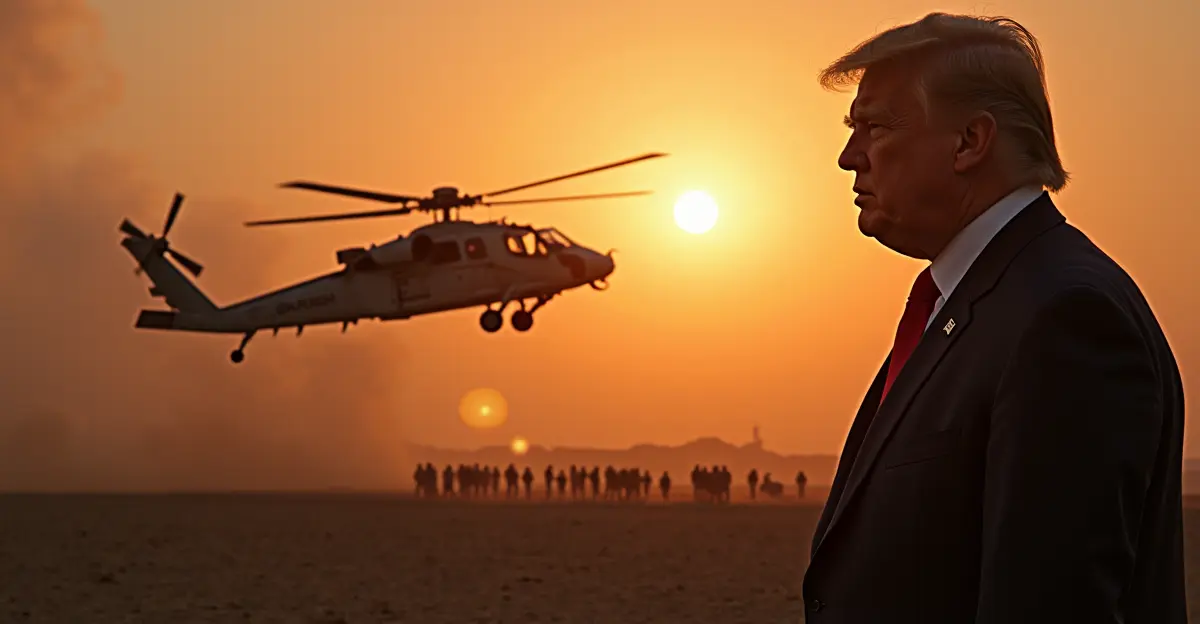
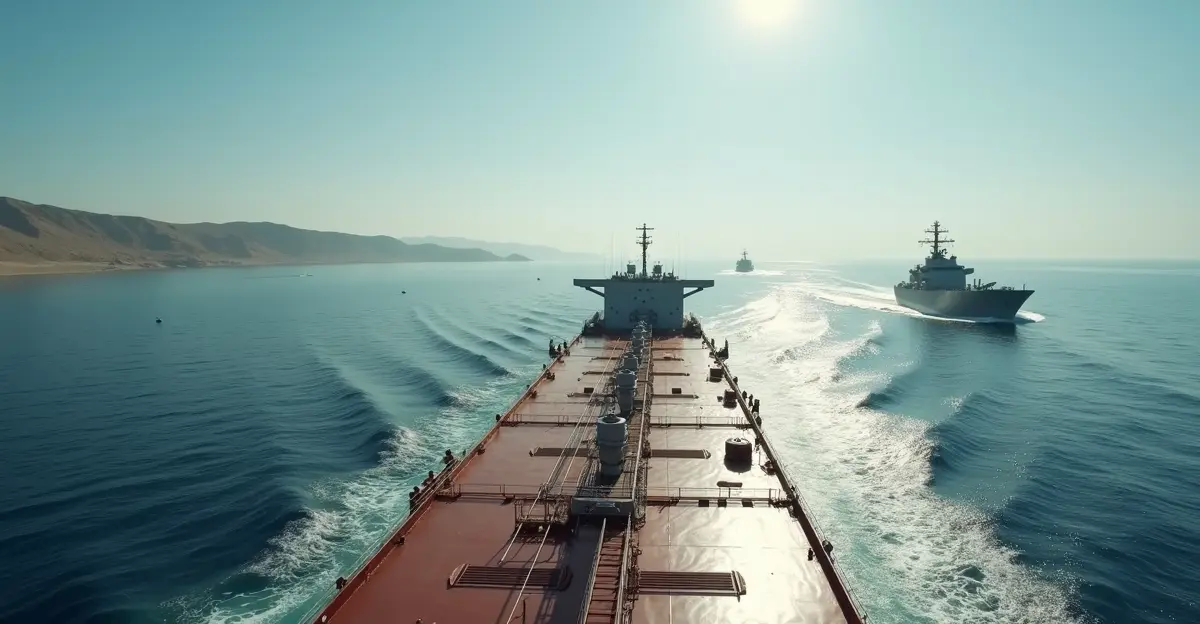
The US blockade, ordered by President Donald Trump and enforced by over 10,000 US troops, dozens of Navy ships, and fighter jets, took effect during a shaky two-week ceasefire. More than 90% of Iran's seaborne trade transits through the strategically vital Strait of Hormuz, with the blockade estimated to cost Iran approximately $435 million daily in economic damage. During the first 24 hours, six merchant vessels were turned back, though at least two vessels including a Chinese-owned tanker managed to transit the strait.
Iran's Retaliation Threat
Iran has threatened to expand its blockade from the Strait of Hormuz to include the Sea of Oman and Red Sea unless the United States ends its naval blockade. "The U.S. must prove its seriousness in negotiations given past failures to adhere to commitments," stated Iran's Foreign Ministry spokesman. The warning came as US Central Command confirmed its forces have completely halted maritime trade in and out of Iran, forcing at least 10 vessels to turn around.
Senate Votes on Arms Sales to Israel
In a parallel development, the Senate narrowly rejected resolutions to halt the Iran war and arms sales to Israel. Senator Bernie Sanders (I-Vt.) sponsored measures to stop US weapons transfers despite Israel's alleged war crimes, but the effort failed despite approximately 80% of Democratic senators voting to block the arms sales.
Key Details of Proposed Arms Sales
- $298 million for 5,000 small-diameter bombs
- $209 million for 10,000 500-pound bombs
- $151.8 million for 12,000 1,000-pound bombs
- Total: $658.8 million in proposed weapons transfers
Sanders and cosponsors argued the weapons would support an illegal war and violate the Foreign Assistance Act's human rights criteria. The Trump administration attempted to bypass Congress by declaring an emergency to sell over 20,000 bombs to Israel, which are implicated in tens of thousands of civilian deaths in Iran, Lebanon, and Gaza.
Oil Companies Making $30 Million Per Hour
A Guardian analysis reveals that the world's top 100 oil and gas companies earned over $30 million per hour in windfall profits during the first month of the US-Israeli war in Iran. These unearned profits total $23 billion for March 2026 alone, with projections reaching $234 billion by year-end if oil prices remain at $100 per barrel.
Top Beneficiaries of War Profits
| Company | Projected 2026 Profits |
|---|---|
| Saudi Aramco | $25.5 billion |
| Russian companies (Gazprom, Rosneft, Lukoil) | $23.9 billion combined |
| ExxonMobil | $11 billion |
| Shell | $6.8 billion |
| Chevron | $9.2 billion |
The profits come directly from consumers paying higher prices for fuel and energy, while many countries have cut fuel taxes, reducing public service funding. European finance ministers are calling for windfall taxes on these war profits, noting the EU's fossil fuel bill has increased by €22 billion since the conflict began.
House Democrats File Impeachment Articles
House Democrats have filed six articles of impeachment against Defense Secretary Pete Hegseth, led by Rep. Yassamin Ansari of Arizona. The impeachment articles allege:
- Unauthorized war against Iran
- Violations of the law of armed conflict including civilian casualties
- Negligence in handling sensitive military information
- Obstruction of congressional oversight
- Abuse of power
- Conduct bringing disrepute upon the US armed forces
Specific allegations include the February 28 bombing of a girls' school in Iran that killed 168 people, sharing military operation details in private chats, and undermining US commitments to NATO. While the impeachment push is unlikely to succeed in the current Republican-controlled House, Democrats could renew efforts if they gain control after midterm elections.
Global Economic Impact and Diplomatic Efforts
The IMF has warned of global economic impacts including potential $100 per barrel oil prices. China condemned the blockade as 'dangerous and irresponsible,' while Pakistan is pushing for renewed negotiations before the current ceasefire expires next week. A high-level Pakistani delegation arrived in Tehran to lay groundwork for a second round of US-Iran talks, with Pakistani officials expressing optimism about a potential "major breakthrough."
Meanwhile, China's President Xi Jinping has pledged to play a constructive role in promoting Middle East peace talks, and Secretary of State Marco Rubio will participate in Israel-Lebanon talks in Washington. The situation remains fluid, with the 2026 Middle East crisis representing one of the most complex geopolitical challenges since World War II.
Frequently Asked Questions
What is the Strait of Hormuz and why is it important?
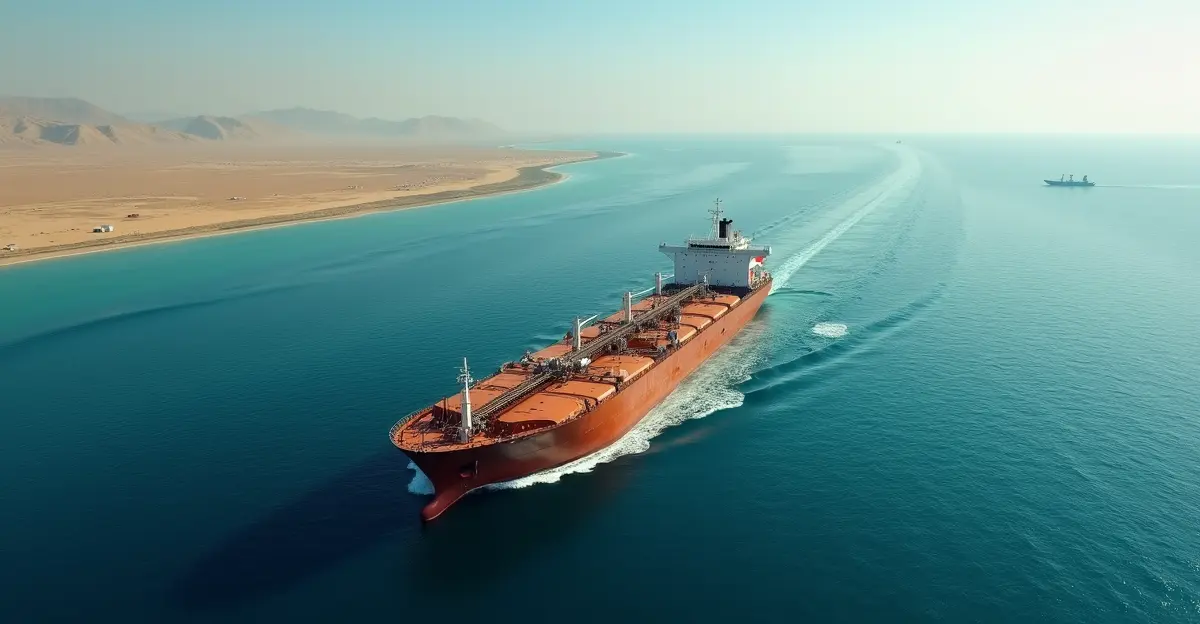
The Strait of Hormuz is a waterway between the Persian Gulf and Gulf of Oman that provides the only sea passage from the Persian Gulf to the open ocean. During 2023-2025, 20% of the world's liquefied natural gas and 25% of seaborne oil trade passed through annually, making it critical to global energy security.
How much is the US blockade costing Iran daily?
The blockade is estimated to cost Iran approximately $435 million daily in economic damage, with 90% of its $109.7 billion annual seaborne trade transiting through the Strait of Hormuz.
Which oil companies are benefiting most from the war?
Saudi Aramco leads with $25.5 billion projected profits, followed by Russian companies ($23.9 billion combined), ExxonMobil ($11 billion), Chevron ($9.2 billion), and Shell ($6.8 billion).
What are the main allegations against Defense Secretary Hegseth?
The six impeachment articles allege unauthorized war against Iran, war crimes including bombing a girls' school, reckless handling of classified information, obstruction of Congress, abuse of power, and bringing disrepute to the US military.
Will the Senate arms sales block succeed?
While the Senate rejected the resolutions on April 16, 2026, approximately 80% of Democratic senators voted to block arms sales to Israel, indicating significant party division and potential for future legislative action on US foreign military sales.


Follow Discussion