


 Deutsch
 English
 Español
 Français
 Nederlands
 Português


 Share
Share




Dubai Luxury Retail Crisis: War Impact Explained
The ongoing Middle East conflict has triggered a severe crisis in Dubai's luxury retail sector, with visitor numbers at iconic shopping destinations like Dubai Mall plummeting by up to 57% and sales dropping 60% compared to last year. As the region's premier luxury shopping hub faces unprecedented challenges, the war's ripple effects are reshaping the global luxury landscape and threatening Dubai's position as the Middle East's retail growth engine.
What is Dubai's Luxury Retail Crisis?
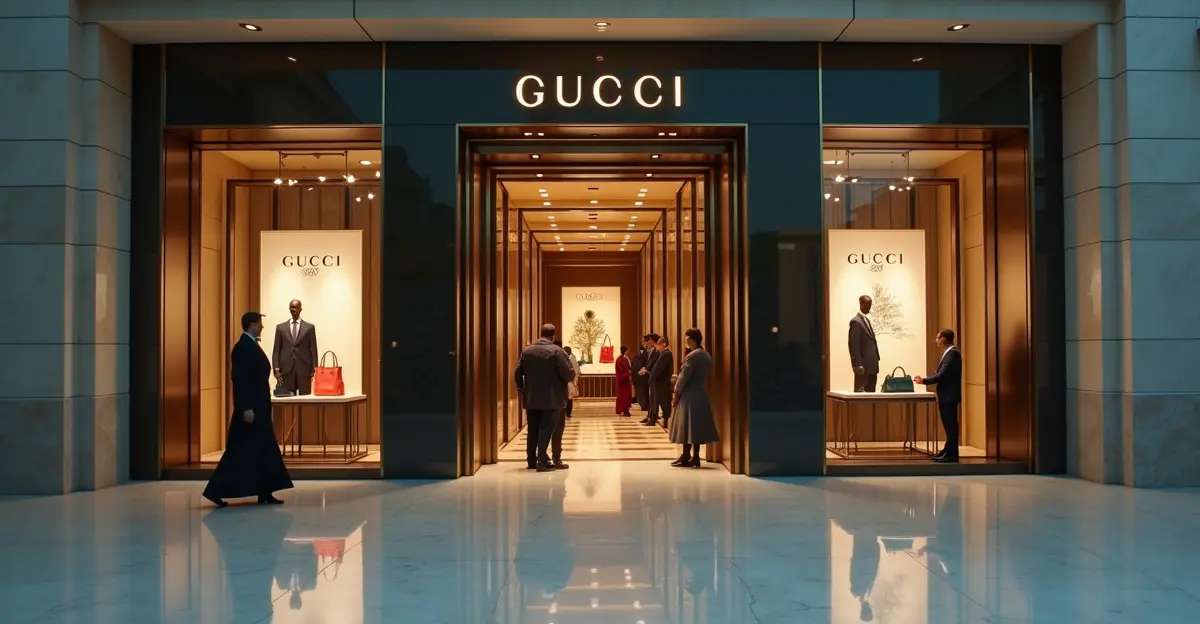
Dubai's luxury retail crisis refers to the dramatic downturn in high-end shopping activity across the emirate's premier retail destinations due to the ongoing Middle East conflict. The crisis manifests through plummeting visitor numbers, collapsing sales figures, and disrupted supply chains affecting luxury brands like Chanel, Gucci, and Saint Laurent that have made Dubai their regional headquarters. With Dubai Mall typically attracting over 100 million annual visitors and serving as the Middle East luxury shopping hub, the current situation represents a significant threat to the emirate's economic model.
Visitor Numbers Collapse Across Major Retail Destinations
Official visitor data reveals staggering declines across Dubai's premier shopping destinations. At the iconic Dubai Mall – the world's most visited shopping center with over 1,200 stores – foot traffic has dropped dramatically from its typical 100 million annual visitors. The Mall of the Emirates, another luxury retail landmark, shows similar patterns of decline.
Department Store Devastation
The impact is particularly severe at high-end department stores:
- Bloomingdale's: 45% visitor decline compared to same period last month
- Harvey Nichols: 57% visitor decline at Mall of the Emirates location
- Both stores: 60% sales decline year-over-year
'If the war is short, Dubai can return to its former glory and this will only be a small dent,' says Luca Solca, luxury analyst at Bernstein in Geneva. 'If the war continues, that will not be the case.' Solca's firm published a report detailing how the conflict has created a genuine crisis for luxury brands operating in the region.
Supply Chain Disruption: Strait of Hormuz Closure
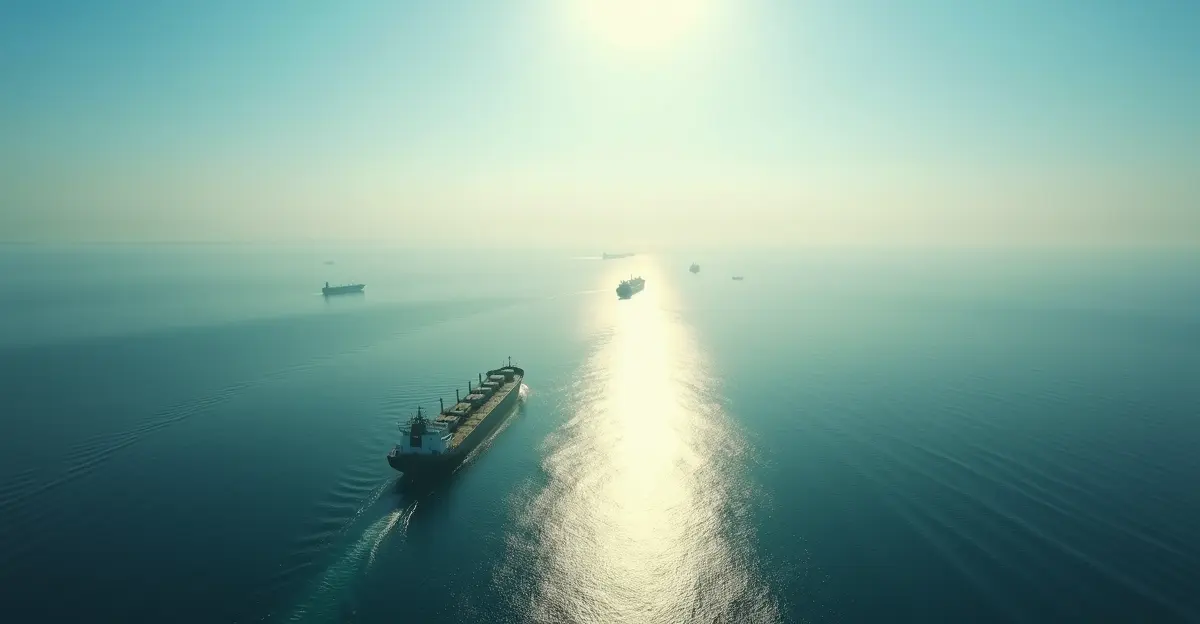
Beyond declining consumer traffic, luxury retailers face severe supply chain challenges due to the closure of the Strait of Hormuz in March 2026. This critical maritime chokepoint, which normally handles 20% of global oil and 20% of global LNG shipments, has seen commercial traffic drop to just eight vessels daily – effectively a standstill.
Shipping Cost Escalation
The closure has forced European companies to reroute shipments through ports in Oman and Saudi Arabia, dramatically increasing transportation costs:
- Freight rates increased 750-900% on some routes
- Maersk implemented emergency freight increases of $1,800-$3,800 per container
- Transit times extended by 10-14 days via Cape of Good Hope alternative
- Container shortages creating additional logistical challenges
These supply chain disruptions compound the global shipping crisis affecting luxury goods availability and pricing across the region.
Regional Economic Impact and Global Luxury Market
The Gulf region represents approximately 5% of revenue for most luxury conglomerates, with more than half of that generated in the UAE according to Morgan Stanley analysis. Before the conflict, the Middle East was luxury's fastest-growing market, expanding 6-8% organically and accounting for 6% of global luxury sales.
Tourist Traffic Collapse
The crisis is particularly damaging because tourists normally account for one-third of UAE luxury sales. With security concerns and travel advisories in effect, the flow of wealthy international shoppers has dramatically slowed. Bernstein estimates regional sales in March 2026 will halve overall, creating a 100 basis-point headwind to Q1 2026 results for luxury companies.
Government Response and Damage Control
Dubai authorities have attempted to project an image of normalcy despite the crisis. At the war's outset, a video circulated showing Dubai's ruler Sheikh Mohammed bin Rashid Al Maktoum walking through stores and waving to employees to demonstrate safety. However, these efforts have struggled against the reality of daily missile alerts and security concerns that have prompted tens of thousands of foreign residents and tourists to flee.
The situation represents an existential threat to Dubai's economic model, which relies heavily on tourism ($30 billion annually) and lacks substantial oil reserves. The emirate's identity as a safe haven for global business and tourism is being tested as never before.
Long-Term Implications for Luxury Retail
The crisis may accelerate strategic shifts already underway in the luxury sector. Saudi Arabia's growing importance under Vision 2030 could see brands redirecting investment from the UAE to the kingdom. The conflict also impacts European luxury sales, as Gulf nationals had become the third-largest spending nationality globally by tax-free expenditure before the crisis.
For luxury brands, the Dubai situation highlights the risks of over-reliance on specific regional markets and the vulnerability of retail operations to geopolitical instability. The crisis may prompt reevaluation of global retail expansion strategies and supply chain diversification.
Frequently Asked Questions
How much have Dubai Mall visitor numbers declined?
While exact figures vary by location, overall visitor traffic at Dubai Mall and Mall of the Emirates has dropped dramatically, with specific department stores reporting 45-57% declines compared to previous periods.
What is causing the luxury retail crisis in Dubai?
The crisis stems from multiple factors: declining tourist traffic due to security concerns, supply chain disruptions from Strait of Hormuz closure, and reduced consumer confidence amid ongoing regional conflict.
How are luxury brands responding to the crisis?
Brands are facing store traffic declines of up to 60% in sales while dealing with increased shipping costs and logistical challenges. Some are considering strategic shifts toward Saudi Arabia and other regional markets.
What is the Strait of Hormuz closure's impact?
The March 2026 closure has increased shipping costs by 750-900%, extended transit times by 10-14 days, and created container shortages, severely disrupting luxury goods supply chains.
Will Dubai's luxury retail sector recover?
Recovery depends on conflict duration. As analyst Luca Solca notes: short conflict means temporary setback; prolonged conflict could permanently alter Dubai's luxury retail landscape.


Follow Discussion