


 Deutsch
 English
 Español
 Français
 Nederlands
 Português


 Share
Share




What is the Lamu Car Stranding Crisis?
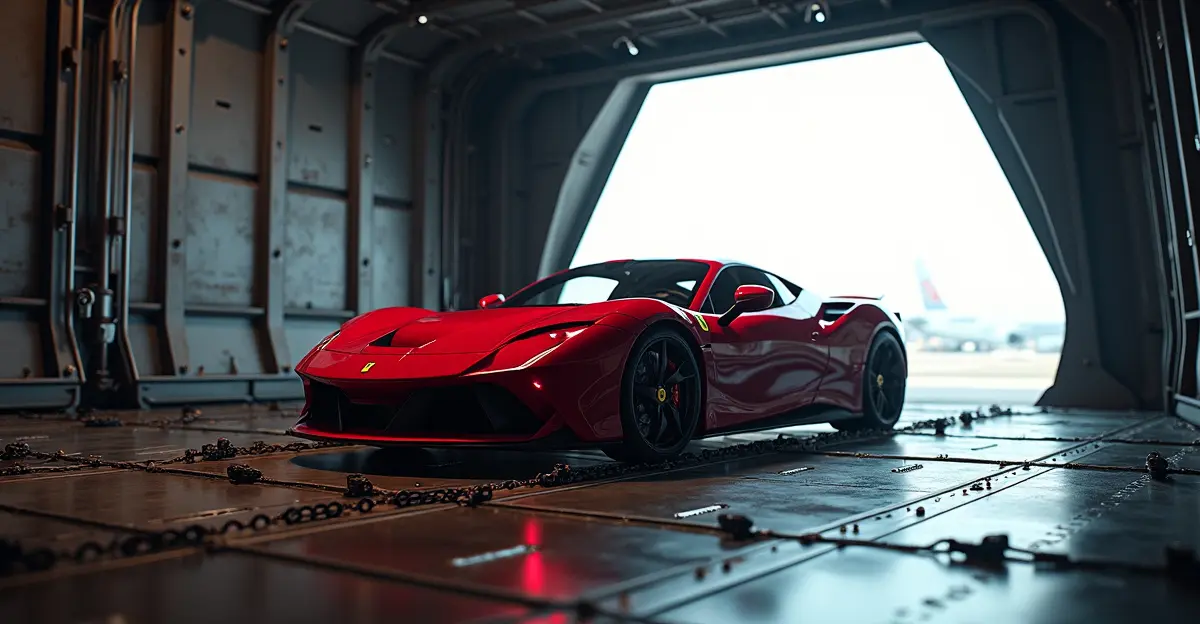
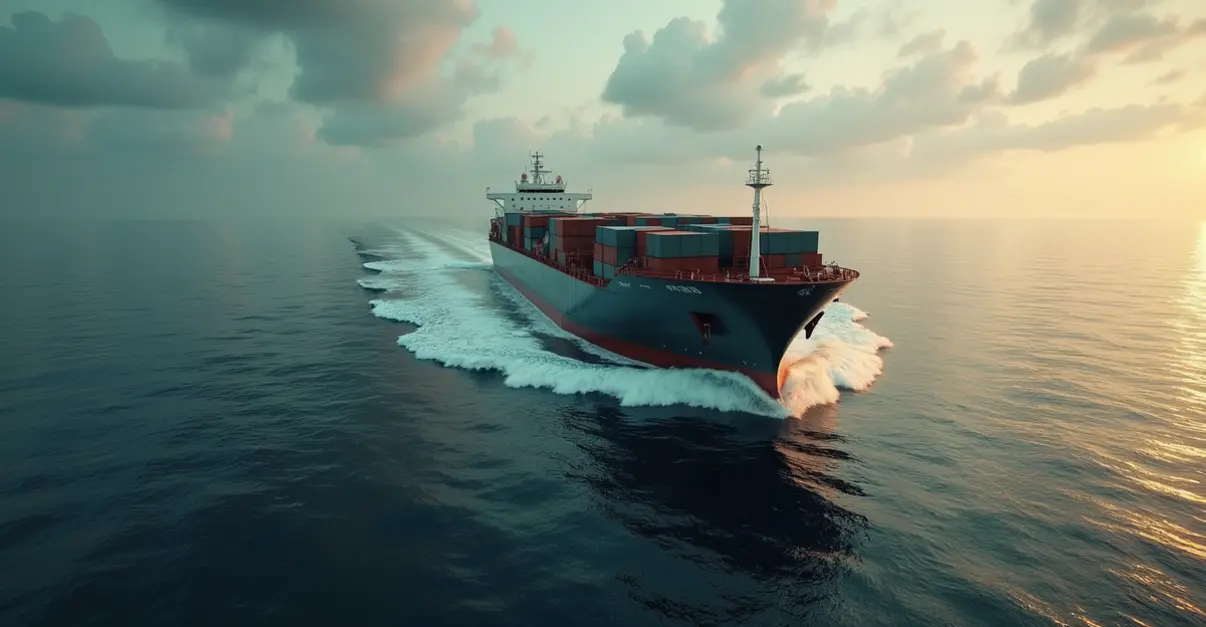
Thousands of luxury vehicles originally destined for Dubai have been unexpectedly stranded at Kenya's Lamu Port due to escalating Middle East conflicts that have disrupted critical shipping routes. The crisis involves over 4,000 high-end cars, including Porsches, Ferraris, Bentleys, and Maseratis, which were diverted from their intended destination at Dubai's Jebel Ali Port after Iranian strikes and the closure of the Strait of Hormuz made the Persian Gulf route impassable. This unprecedented situation highlights how regional conflicts can create unexpected ripple effects across global supply chains, transforming a UNESCO World Heritage Site into a temporary parking lot for luxury automobiles.
How the Middle East War Created This Shipping Crisis
The current situation stems directly from the escalating conflict between the U.S., Israel, and Iran that reached a critical point in March 2026. Following U.S.-Israeli strikes on Iran in February, Iran's Revolutionary Guard Corps announced the closure of the strategically vital Strait of Hormuz on March 2, 2026. This narrow waterway between Iran and Oman handles approximately 20% of global petroleum consumption and serves as the primary maritime route to Dubai's Jebel Ali Port.
Major shipping companies including Maersk, MSC, Hapag-Lloyd, and CMA CGM suspended operations through the region after at least 20 ships were attacked. The closure caused transits through the Strait of Hormuz to drop dramatically from a historical average of 138 vessels per day to as low as 28. Dubai's Jebel Ali Port was further compromised by Iranian airstrikes earlier in March, making it unsafe for vessel arrivals.
Abdulaziz Mzee, Lamu Port manager, explained the situation: 'Since the situation there deteriorated, those ships have been more or less drifting at sea. They couldn't proceed to their original destination, so they had to find alternative ports.' The ships carrying the luxury vehicles were originally en route from Japan and Europe to Dubai when they were forced to divert.
Lamu Port: An Unexpected Beneficiary
Lamu Port, located on Kenya's northern coast, has emerged as an unexpected beneficiary of the Middle East shipping crisis. As part of the Lamu Port-South Sudan-Ethiopia Transport (LAPSSET) Corridor, the port features natural depths of 17 meters along the main channel, extending to 60 meters at the bay, allowing access for large vessels. The port's first three berths (each 400 meters long) can handle Panamax and Post-Panamax vessels with capacities exceeding 10,000 TEUs.
Port manager Abdulaziz Mzee expressed mixed feelings about the situation: 'It's no reason to celebrate because people are suffering there, but at the same time it's also an unexpected commercial windfall.' The port is preparing for another shipment of 5,000 vehicles expected next week, bringing the total to approximately 9,000 stranded luxury cars.
Impact on Luxury Automotive Manufacturers
The shipping disruptions have forced major luxury automakers to suspend deliveries to the Middle East entirely. Ferrari has stopped most deliveries to the war-torn region, with only a few models being flown in via air freight at three to four times the cost of sea transport. Italian brand Maserati has temporarily halted shipments citing 'logistical challenges and safety concerns.'
British luxury automaker Bentley has also paused deliveries, with CEO Frank-Steffen Walliser noting that people in the Middle East 'have other thoughts than looking for a new Bentley at the moment,' indicating weakening regional demand. Noud Broekhof of De Nationale Autoshow commented on the broader impact: 'That's naturally a significant financial drain. Manufacturers of luxury cars like Ferrari, Bentley, and Maserati have decided to temporarily suspend their deliveries to the Middle East due to the transport problems.'
The Middle East represents a key market for high-end luxury vehicles, making these disruptions significant for automakers' sales and customer relationships in the region. The situation is reminiscent of other global supply chain disruptions that have affected various industries in recent years.
Lamu's Strategic Position and Future Implications
Lamu, a UNESCO World Heritage Site established in 1370, is Kenya's oldest continually inhabited town and has unexpectedly found itself at the center of global shipping rerouting. The port's strategic location along major Indian Ocean shipping lanes has positioned it as a viable alternative during the Middle East crisis.
The Kenya Ports Authority reports that Lamu has recorded 74 vessel calls so far in 2026, with cargo throughput jumping dramatically from 74,380 metric tons in 2024 to 799,161 metric tons in 2025, largely driven by containerized cargo. The port expects another car carrier next week to discharge 5,000 motor vehicle units, signaling continued growth in operations.
This crisis highlights several important trends in global shipping:
- Vulnerability of critical chokepoints: The Strait of Hormuz disruption shows how dependent global trade is on narrow maritime corridors
- Africa's emerging role in global logistics: Lamu Port's capacity to handle diverted traffic demonstrates Africa's growing infrastructure capabilities
- Geopolitical impacts on luxury markets: High-end consumer goods are not immune to regional conflicts and shipping disruptions
- Alternative routing strategies: Shipping companies are increasingly considering African routes as viable alternatives during Middle East crises
The situation also parallels other maritime security challenges affecting global trade routes in recent years.
What Happens Next to the Stranded Vehicles?
The thousands of luxury vehicles currently parked at Lamu Port will remain there until the Middle East situation stabilizes and shipping routes through the Strait of Hormuz reopen safely. Port authorities have secured storage facilities, including warehouses for high-value vehicles like Porsches. The vehicles are insured and protected while awaiting onward transportation.
Shipping experts estimate that route diversions around Africa's Cape of Good Hope add 10-14 days transit time compared to the traditional Suez Canal and Persian Gulf route. Once security conditions improve, the vehicles will likely be reloaded onto vessels and continue their journey to Dubai, though the timeline remains uncertain given the ongoing conflict.
The crisis has broader implications for global trade patterns, potentially accelerating Lamu Port's development as a major transshipment hub. As one of the emerging African economic centers, Lamu could benefit from increased shipping traffic even after the current crisis resolves.
Frequently Asked Questions
How many cars are stranded at Lamu Port?
Currently, approximately 4,000 luxury vehicles are stranded at Lamu Port, with another 5,000 expected to arrive next week, bringing the total to around 9,000 cars.
Which luxury car brands are affected?
The stranded vehicles include Porsches, Ferraris, Bentleys, and Maseratis, among other high-end brands. These manufacturers have suspended deliveries to the Middle East due to the shipping disruptions.
Why can't the ships reach Dubai?
The Strait of Hormuz has been effectively closed since March 2, 2026, following Iranian retaliation for U.S.-Israeli strikes. Additionally, Dubai's Jebel Ali Port was damaged by Iranian airstrikes earlier in March.
How long will the cars remain in Kenya?
The vehicles will stay at Lamu Port until the Middle East conflict de-escalates and shipping routes through the Persian Gulf become safe again. There is no definite timeline for resolution.
Is this affecting car prices in the Middle East?
Yes, the delivery suspensions and shipping disruptions are likely to cause supply shortages and potentially higher prices for luxury vehicles in Middle Eastern markets once the conflict ends.

Follow Discussion