


 Deutsch
 English
 Español
 Français
 Nederlands
 Português


 Share
Share




Kering Revenue Decline: Gucci & Balenciaga Sales Drop 14% in Q1 2026
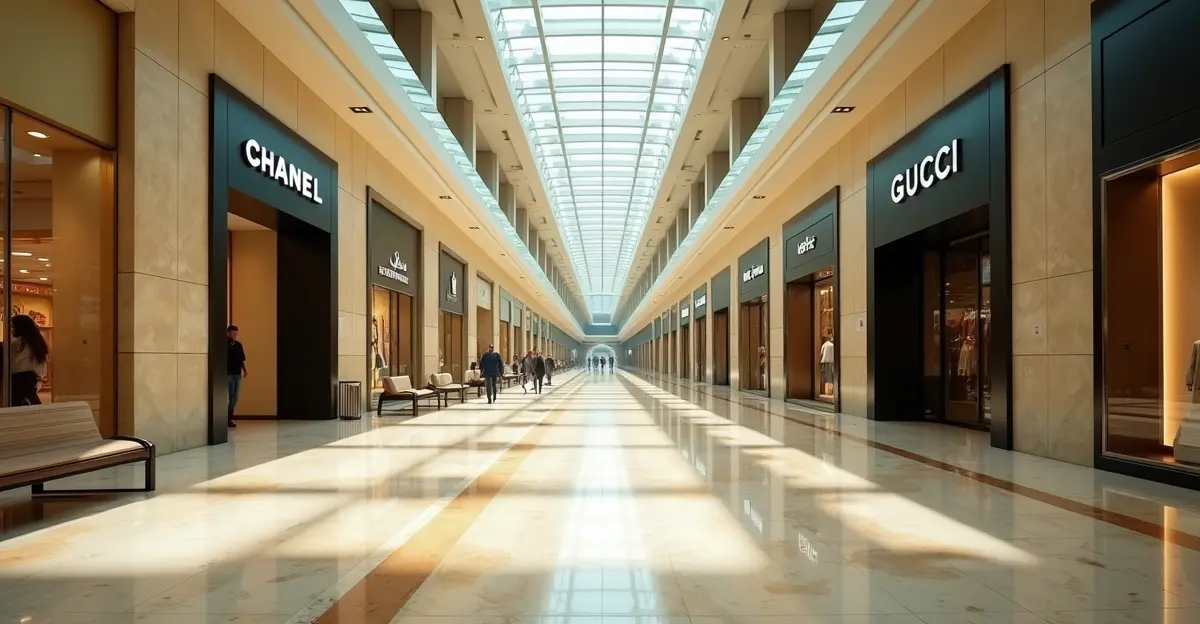
Kering, the French luxury conglomerate behind iconic brands Gucci, Balenciaga, Saint Laurent, and Bottega Veneta, has reported a significant 14% revenue decline at its flagship Gucci brand during the first quarter of 2026. The company's total revenue fell 6% to €3.5 billion, marking a concerning trend for the luxury giant as it faces multiple headwinds including Middle East geopolitical tensions and weakening Chinese demand. This latest financial report reveals deepening challenges for the luxury sector, with Kering's performance mirroring broader industry struggles amid economic uncertainty.
What is Kering and Why Does This Matter?
Kering S.A. is a French multinational holding company specializing in luxury goods, headquartered in Paris. Founded in 1962 as a timber trading company by François Pinault, it transformed into a luxury powerhouse through strategic acquisitions including Gucci in 1999, Yves Saint Laurent in 1999, and Balenciaga in 2001. Today, Kering represents one of the world's most influential luxury groups, with its performance serving as a key indicator for the broader luxury market's health. The company's current struggles reflect systemic challenges facing the entire global luxury goods industry as consumers pull back on discretionary spending.
Breaking Down the Q1 2026 Numbers
Kering's first-quarter results reveal a complex picture of luxury market dynamics. Gucci, which accounts for approximately 37% of Kering's total revenue, saw sales plummet to €1.3 billion, representing a 14% year-over-year decline. The broader luxury goods division (including clothing and handbags) experienced a 9% drop, though there were some bright spots: jewelry sales increased 14% while eyewear grew 3%. These mixed results suggest shifting consumer preferences within the luxury sector, with accessories and smaller-ticket items showing more resilience than high-fashion apparel.
Middle East Impact: A 10% Regional Decline
The ongoing conflict in the Middle East has significantly impacted Kering's regional performance, with sales dropping over 10% in the area. The Middle East represents approximately 5% of Kering's total retail revenue and employs about 1,100 workers across the region. 'The geopolitical situation has created significant headwinds for luxury retail in key markets like Dubai,' explains luxury market analyst Claire Dubois. 'Middle Eastern consumers, particularly wealthy Iranians who traditionally shop in Dubai, have reduced their luxury spending due to travel restrictions and economic uncertainty.' This regional decline mirrors challenges faced by competitor LVMH, which also reported reduced sales in Dubai and surrounding areas.
China's Weakening Demand and Economic Uncertainty
Beyond Middle East tensions, Kering faces challenges in China, where economic uncertainty continues to dampen luxury spending. Chinese consumers have become more cautious with discretionary purchases, particularly for high-end fashion items. This trend aligns with broader market data showing China's personal luxury goods market contracted 3-5% in 2025, though early signs of recovery emerged in late 2025. The Chinese luxury market outlook remains cautious for 2026, with brands needing to recalibrate strategies for changing consumer behavior.
Kering's Strategic Response and Future Outlook
Under CEO Luca de Meo, who joined in September 2025, Kering has implemented several strategic initiatives to address its challenges. The company has successfully tackled debt problems through asset sales including a €4 billion beauty business sale to L'Oreal and €1.5 billion in real estate transactions. However, reviving Gucci remains de Meo's primary challenge, with the brand's sales having nearly halved from their peak. 'Our goal remains returning to growth and improving margins this year,' stated a Kering spokesperson ahead of the company's Thursday strategy presentation. The company's shares have risen 13% since de Meo's arrival despite the recent revenue declines, suggesting investor confidence in his turnaround strategy.
Broader Luxury Market Implications
Kering's struggles reflect wider challenges in the luxury sector. HSBC has lowered its 2026 global luxury growth estimates from 7% to 5.9%, citing inflationary pressures and consumer sentiment challenges. The sector faces a polarized recovery, with jewelry showing strength while handbag demand weakens. Fresh creativity from new creative directors at brands like Dior and Gucci may help revive soft luxury sectors, but the overall environment remains challenging. The luxury market trends 2026 indicate continued volatility, with brands needing to adapt to changing consumer priorities and geopolitical realities.
Frequently Asked Questions
How much did Kering's revenue decline in Q1 2026?
Kering's total revenue declined 6% to €3.5 billion in the first quarter of 2026, with flagship brand Gucci experiencing a 14% drop to €1.3 billion.
What is causing Kering's revenue decline?
Multiple factors contribute to Kering's challenges: Middle East geopolitical tensions reducing regional sales by over 10%, weakening Chinese demand due to economic uncertainty, and broader consumer pullback on luxury discretionary spending.
How does Kering compare to competitor LVMH?
Both Kering and LVMH have reported sales declines in the Middle East due to regional conflicts. While specific Q1 2026 numbers for LVMH aren't detailed in this report, both companies face similar headwinds in key markets.
What is Kering's strategy for recovery?
Under CEO Luca de Meo, Kering has addressed debt through asset sales and is focusing on reviving Gucci through strategic changes and new creative direction. The company aims to return to growth and improve margins in 2026.
How important is the Middle East market for luxury brands?
The Middle East represents approximately 5% of total retail revenue for luxury groups like Kering, with Dubai serving as a key shopping destination for wealthy regional consumers, particularly Iranians.



Follow Discussion