


 Deutsch
 English
 Español
 Français
 Nederlands
 Português


 Share
Share




What is the US-Iran Military Leak?
The United States military is preparing for potentially weeks-long operations against Iran, according to leaked information from two American officials to Reuters. This revelation comes just days before crucial nuclear negotiations between the two nations are set to begin in Geneva on February 17, 2026. The timing suggests a deliberate strategy to increase pressure on Iran ahead of diplomatic talks aimed at preventing military confrontation.
Background: Escalating Tensions and Nuclear Diplomacy
The leaked military plans emerge against a backdrop of heightened tensions between Washington and Tehran. Iranian Foreign Minister Abbas Araghchi has arrived in Geneva for what he described as 'high-stakes second-round nuclear talks' with the United States. These negotiations follow renewed tensions after the US and Israel bombed Iran's main nuclear facilities during a 12-day war in June 2025. The current diplomatic efforts represent a critical attempt to reduce tensions and prevent further military escalation, similar to previous Middle East peace initiatives that have faced similar challenges.
Military Scenarios and Strategic Calculations
Three Potential Attack Scenarios
According to Middle East correspondent Tara Kenkhuis, military planners are considering several contingency scenarios:
- Targeted strikes on Revolutionary Guard facilities: Precision attacks aimed at signaling opposition to Iran's suppression of protests while avoiding broader conflict.
- Attacks on ballistic missile infrastructure: Operations targeting Iran's missile program, which Israel considers a direct threat to its territory.
- Sustained ground operations: Extended 'boots on the ground' deployments aimed at achieving regime change, though this represents the most escalatory option.
Why Leak Military Plans Before Negotiations?
Experts suggest the timing of the leak serves dual purposes. First, it creates a credible threat of military action if Iran doesn't make sufficient concessions at the negotiating table. Second, it positions the United States to present restraint as a diplomatic concession. 'The leak appears to be a conscious strategy to put more pressure on the negotiations,' explained Kenkhuis. 'On the one hand, the threat of military intervention is a clear warning to Iran if it does not make enough concessions. On the other hand, the US is positioning itself so that refraining from an attack can be presented as an American concession.'
Key Negotiation Points and Sticking Points
Nuclear Program: The Central Issue
The Geneva negotiations will focus primarily on Iran's nuclear program, with several critical questions on the table:
- Enriched uranium stockpiles: Whether Iran can retain current levels or must dilute existing supplies
- Civilian enrichment rights: Whether Iran can continue uranium enrichment for energy purposes
- Inspection protocols: The form and frequency of International Atomic Energy Agency (IAEA) inspections
- Knowledge preservation: What happens to the technical expertise and infrastructure behind Iran's nuclear program
Non-Nuclear Issues: Missiles and Regional Influence
While nuclear issues dominate the agenda, other contentious topics include Iran's ballistic missile program and its support for regional militias. Iranian officials have repeatedly stated that their missile capabilities represent a non-negotiable 'red line' in defense doctrine, creating significant obstacles for comprehensive agreement. This situation mirrors challenges seen in other international arms control negotiations where national security concerns conflict with diplomatic objectives.
Regional Security Implications and Concerns
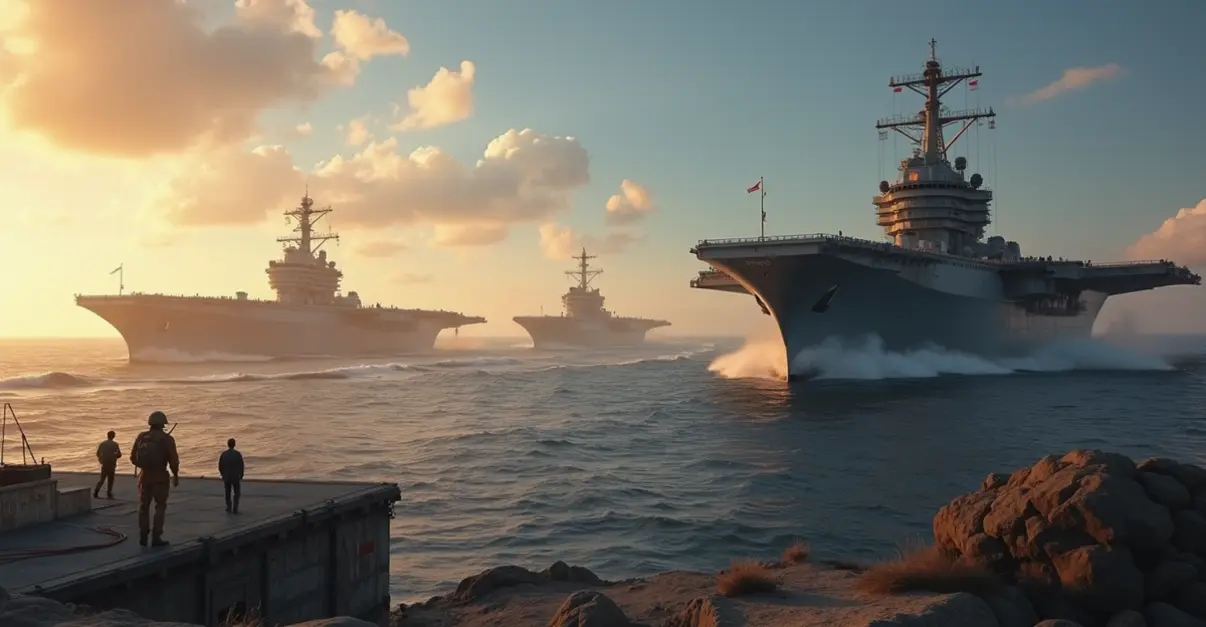
The prospect of US military action against Iran raises significant regional security concerns. Countries like Israel and Gulf states fear potential Iranian retaliation, including attacks on their territories or through proxy forces. The United States has recently deployed additional military assets to the region, including a second aircraft carrier, signaling serious preparedness for potential conflict. These developments occur alongside ongoing Middle East security dynamics that have shaped regional politics for decades.
FAQ: US-Iran Military Leak and Negotiations Explained
What military plans were leaked about Iran?
The US military is preparing for potentially weeks-long operations against Iran, including targeted strikes on Revolutionary Guard facilities, attacks on ballistic missile infrastructure, and possible sustained ground operations.
Why were these plans leaked before negotiations?
The timing appears strategic: to pressure Iran into making concessions by demonstrating credible military options, while allowing the US to present restraint as a diplomatic concession if negotiations succeed.
What are the main issues in the Geneva negotiations?
Key issues include Iran's nuclear program (enrichment levels, inspections), ballistic missile development, and Iran's support for regional militias. The nuclear program remains the central focus.
How has Iran responded to the leaked plans?
Iranian officials have stated they bring 'real ideas' for a fair deal but emphasized that 'submission before threats' is not an option, indicating they won't negotiate under duress.
What happens if negotiations fail?
Failure could lead to increased military tensions, potential US or Israeli strikes on Iranian facilities, and possible Iranian retaliation through regional proxies or direct attacks.

Follow Discussion