


 Deutsch
 English
 Español
 Français
 Nederlands
 Português


 Share
Share




Historic US-Iran Talks Conclude in Oman with Cautious Optimism
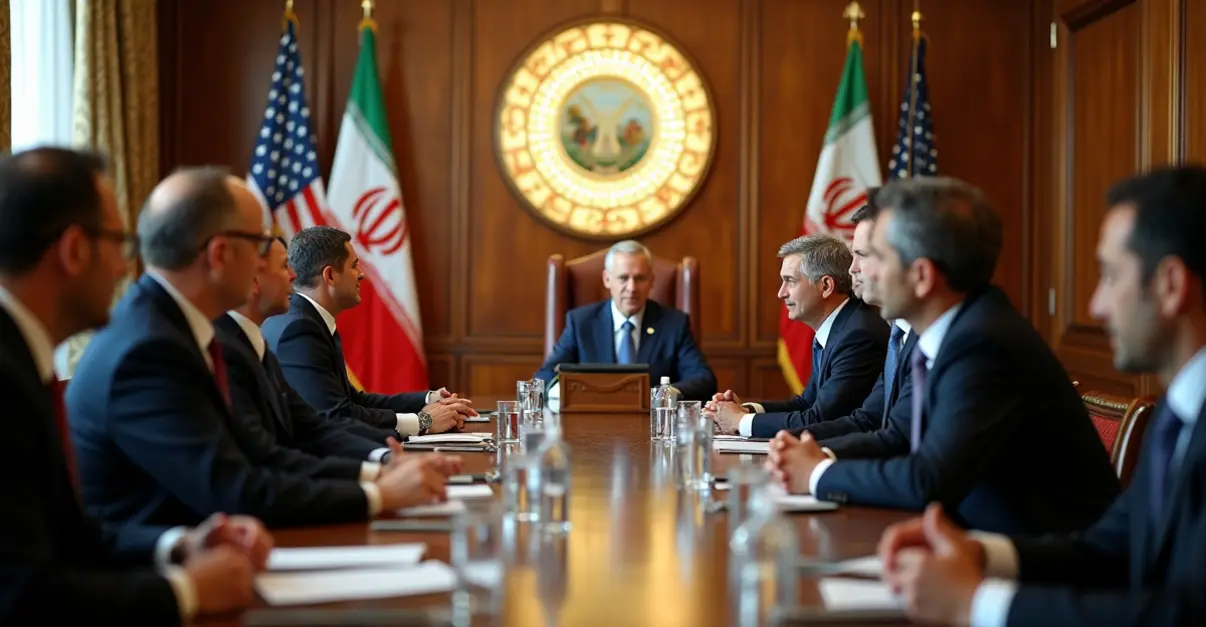
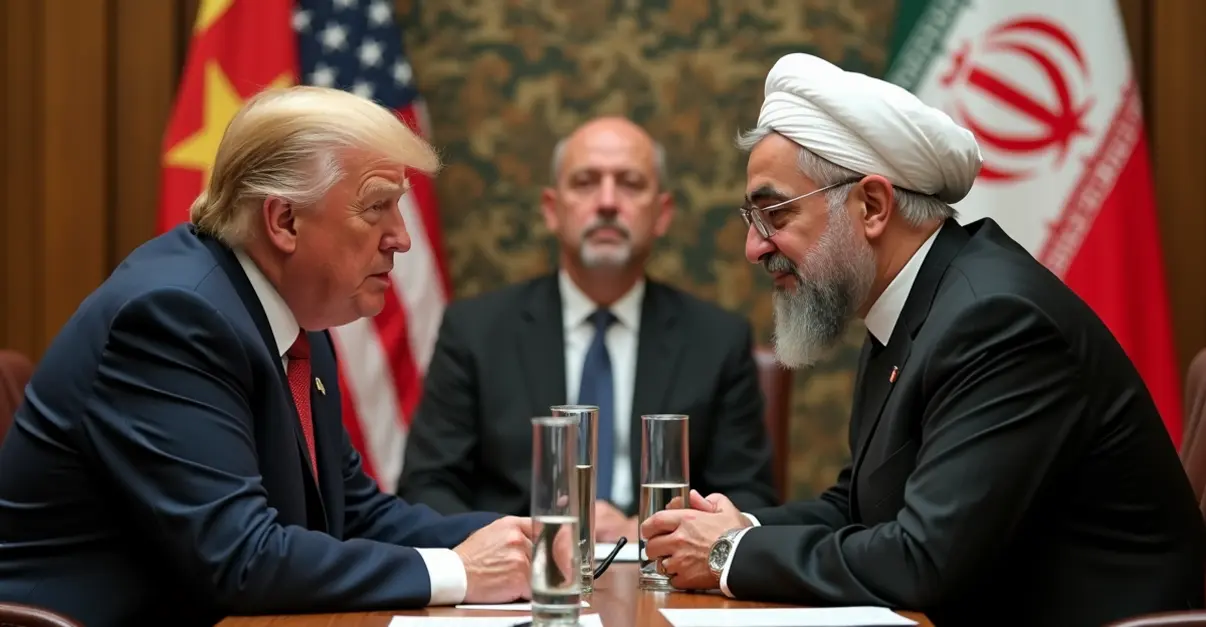
The first high-level diplomatic talks between the United States and Iran in over a year concluded in Oman's capital Muscat today, with Iranian Foreign Minister Abbas Araghchi describing them as 'a very good start' and stating both sides are 'working to remove distrust'. The indirect negotiations, mediated by Omani Foreign Minister Badr al-Busaidi, represent a significant diplomatic breakthrough amid escalating regional tensions.
What Was Discussed?
The talks focused primarily on Iran's nuclear program, with Tehran insisting on keeping discussions limited to nuclear issues and sanctions relief. 'We are not discussing any other topic with the US than the nuclear program,' Araghchi emphasized after the meetings. However, US officials had reportedly pushed for broader discussions including Iran's ballistic missile program and support for regional militant groups like Hamas, Hezbollah, and the Houthis in Yemen.
Regional Context and Tensions
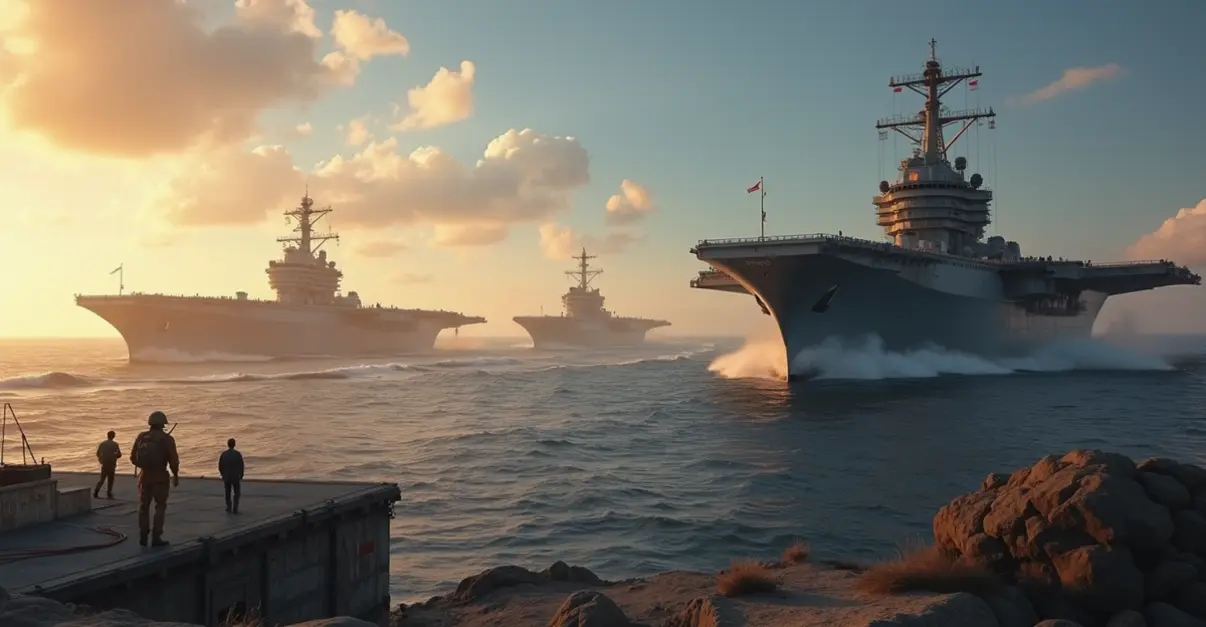
The negotiations come against a backdrop of heightened military tensions. The US has deployed an aircraft carrier and additional warships to the region, while Iran recently seized ships in the Persian Gulf over alleged fuel smuggling. These developments follow US-Israeli airstrikes on Iranian nuclear facilities in June 2025 and deadly protests in Iran that reportedly claimed thousands of lives.
Arab Gulf states have expressed concern that any military confrontation could trigger a regional war. 'The goal now is to bring the parties back together,' said Omani Foreign Minister al-Busaidi, who described the negotiations as 'very serious.'
Key Players and Next Steps
The US delegation was led by Middle East envoy Steve Witkoff and Jared Kushner, son-in-law of former President Donald Trump. The Iranian side was represented by Foreign Minister Abbas Araghchi. Both delegations will now consult with their respective capitals before deciding on future negotiation rounds.
According to Iranian ministry spokesperson, 'the decision about further negotiation rounds will be taken in consultation with the two capitals.' This suggests that while the talks have concluded for now, the door remains open for continued diplomacy.
Broader Diplomatic Efforts
Prior to the Oman talks, Qatar, Turkey, and Egypt presented a framework of proposals that would require Iran to significantly limit uranium enrichment and restrict ballistic missile possession and arming of regional allies. These proposals represent regional efforts to find a comprehensive solution to the nuclear standoff.
The talks also come after Iran officially terminated the Joint Comprehensive Plan of Action (JCPOA) in October 2025, following the June 2025 Iran-Israel war. The original 2015 nuclear deal had collapsed after the US withdrawal in 2018.
Follow Discussion