


 Deutsch
 English
 Español
 Français
 Nederlands
 Português


 Share
Share




US Military Plans for Potential Iran Strike Under Review
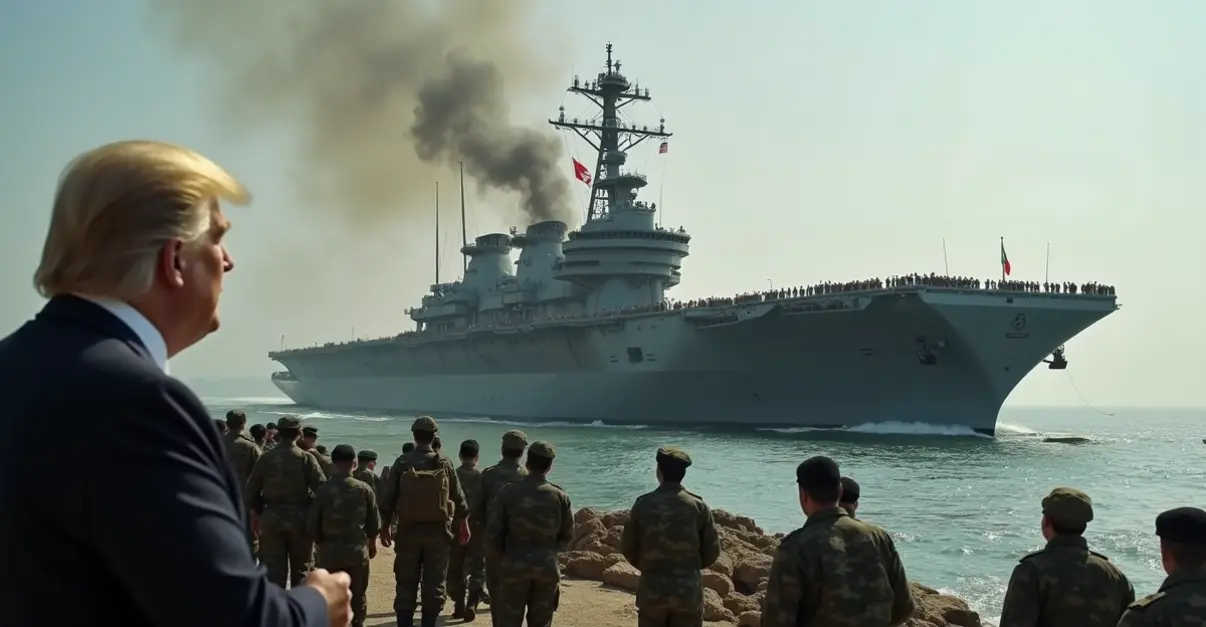
Former President Donald Trump has received an extensive list of potential military options for a strike against Iran, according to a New York Times report citing anonymous sources. The options reportedly include operations targeting Iran's nuclear infrastructure and missile installations, as well as measures aimed at weakening the Islamic regime's position. 'We are strong. We are financially strong. We are militarily strong. I hope I don't have to use this power,' Trump said in Washington on Thursday evening local time.
Escalating Military Buildup in Gulf Region
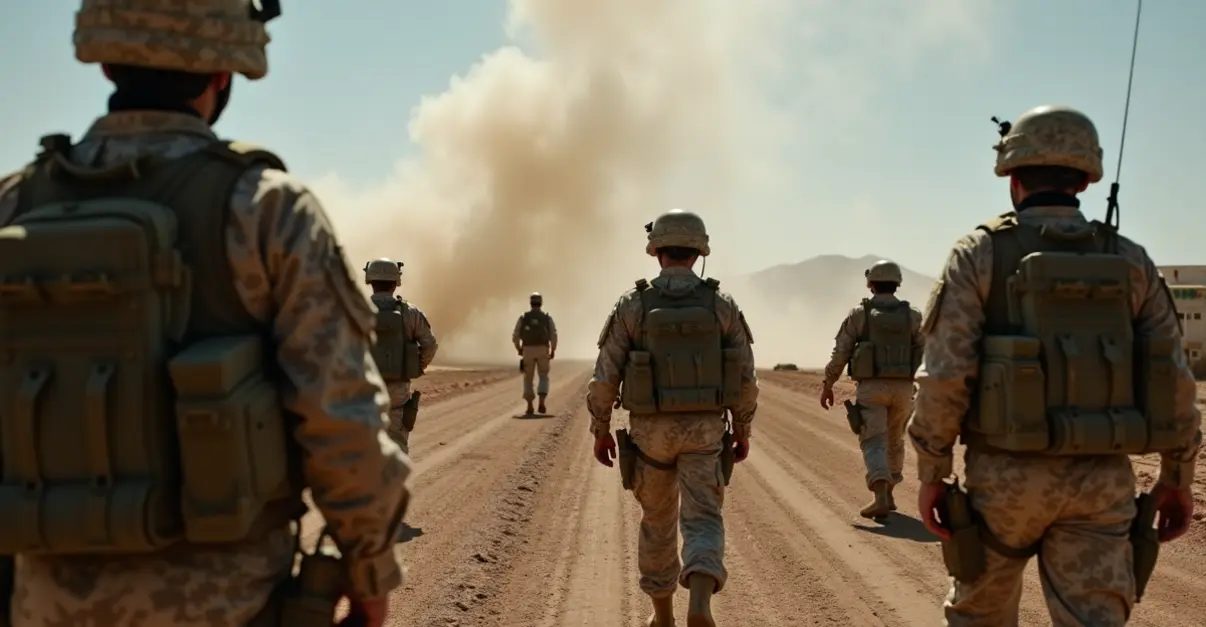
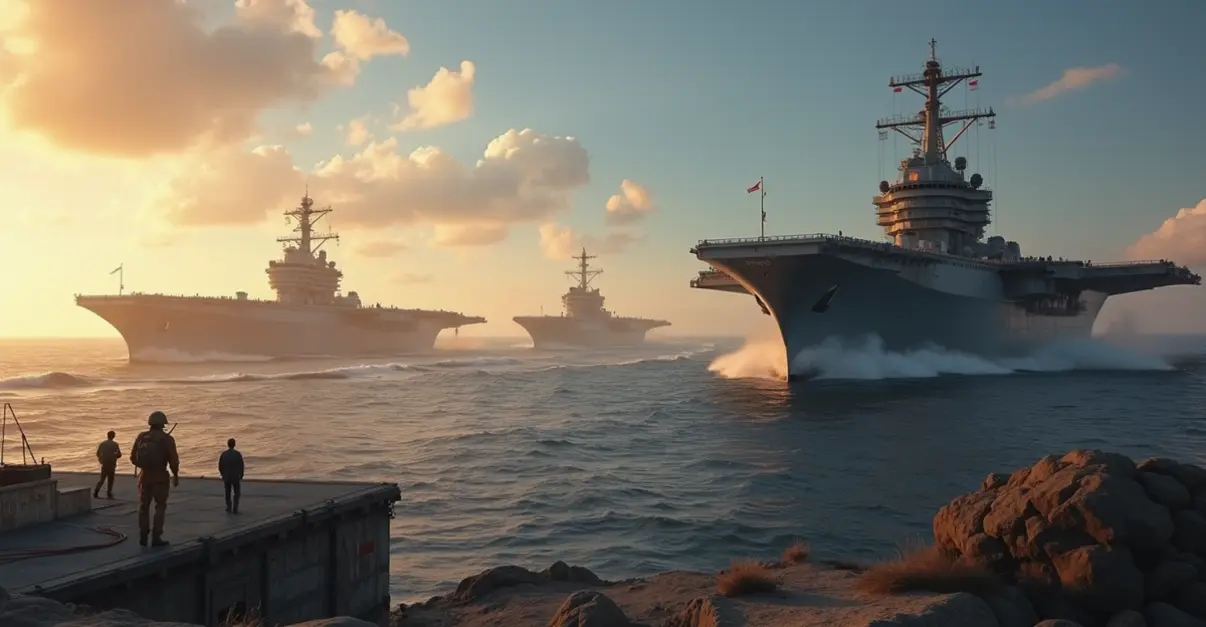
The United States has been increasing its military presence in the Gulf region for several days, with the USS Abraham Lincoln Carrier Strike Group now positioned in the Indian Ocean region. According to CNN reporting, the US is deploying additional air defense systems including Patriot batteries and THAAD missile defense systems. Satellite images show increased activity at bases in Jordan, Qatar, and Diego Garcia.
Despite the military preparations, Trump has not yet authorized any military action and hasn't selected any of the proposed options, according to the Times report. The same evening he made his comments about military strength, Trump also said he plans to talk with Iran 'soon,' though he didn't elaborate on what such talks might entail.
Nuclear Program at Center of Tensions
The tensions follow Trump's 2018 withdrawal from the 2015 nuclear deal and subsequent US sanctions that have crippled Iran's economy. Iran has since breached nuclear restrictions, increasing uranium enrichment beyond permitted levels. According to Al Jazeera analysis, the US demands that Iran abandon its nuclear program entirely, cease uranium enrichment, hand over existing enriched uranium, curb ballistic missile development, and end support for regional armed groups.
Iran, meanwhile, demands the US lift all economic sanctions, allow continuation of its nuclear program with some limits, and permit uranium enrichment. The conflict intensified after US-Israeli bombing of Iranian nuclear facilities in June 2025 and Iran's retaliatory strikes.
Regional and Global Implications
Experts warn that potential US military action against Iran risks triggering a dangerous global nuclear proliferation cascade. 'This sends a dangerous message to other nations that true security only comes from possessing nuclear weapons,' notes an analysis from The Conversation. The article highlights that military action could push regional rivals like Saudi Arabia to accelerate their own nuclear ambitions.
Iran has vowed an immediate and powerful response to any aggression, with top advisers threatening to target Israel if attacked. Oil prices have risen amid concerns about potential disruptions to global supply if conflict erupts.
Historical Context of US-Iran Relations
The two nations have had no formal diplomatic relations since April 7, 1980, following the 1979 Iranian Revolution and subsequent hostage crisis. According to Wikipedia, relations have been turbulent with the US implementing an embargo on trade with Iran since 1995. The Trump administration's 'maximum pressure campaign' began in 2018 with the unilateral withdrawal from the nuclear deal and re-imposition of sanctions.
As military options remain on the table, regional powers are urging restraint while the international community watches nervously. The coming days will reveal whether diplomatic channels can prevent further escalation in one of the world's most volatile regions.


Follow Discussion