


 Deutsch
 English
 Español
 Français
 Nederlands
 Português


 Share
Share




What is Putin's Valdai Fortress?
Russian President Vladimir Putin has transformed his Valdai residence into one of the world's most heavily fortified compounds, with satellite imagery revealing at least 27 air defense systems now encircling the property. This unprecedented security buildup includes 26 Pantsir-S1 missile systems and one S-400 long-range air defense system, creating a defensive perimeter comparable to Moscow's own air defense network. The Russian military modernization effort around Putin's personal residence represents a significant escalation in presidential security measures amid ongoing tensions with Ukraine and Western nations.
Security Escalation Timeline and Analysis
The transformation of Putin's Valdai residence into what analysts now call 'Fortress Valdai' began modestly in January 2023 with a single Pantsir-S1 system. According to RFE/RL journalist Mark Krutov's investigation, the pace accelerated dramatically in 2025, when the number of air defense systems jumped from 12 to 20 in just a few months. This rapid expansion followed unverified Russian claims of a thwarted Ukrainian drone attack on the residence—allegations that both Kyiv and U.S. officials have denied.
Current Defensive Configuration
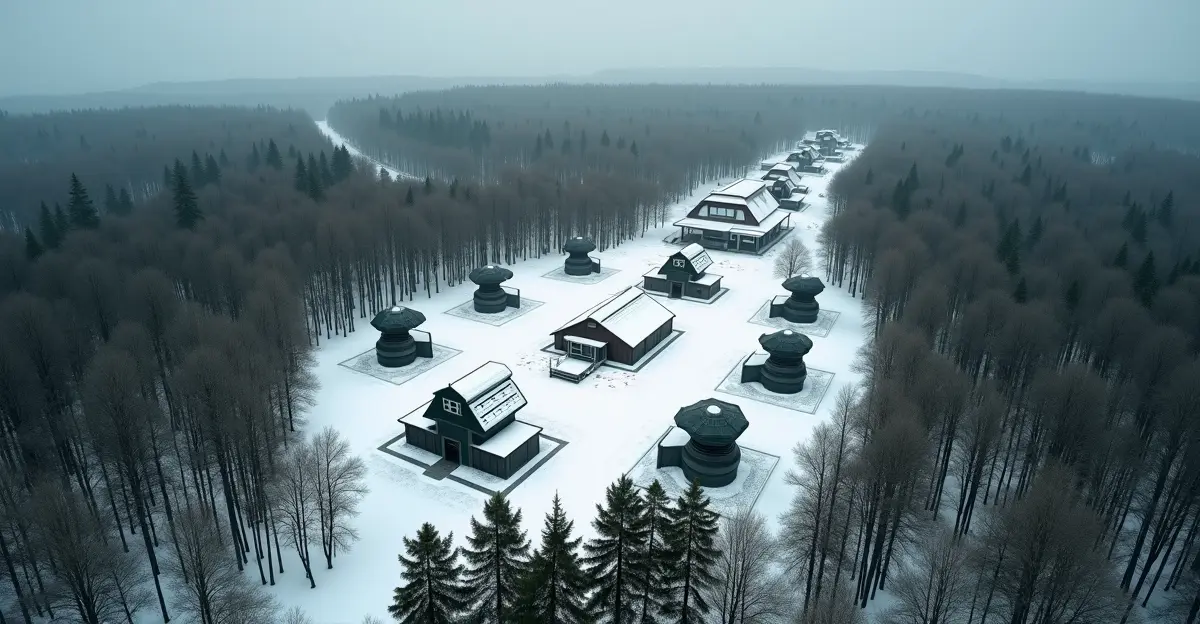
Satellite images from March 2026 show the completed two-ring defensive structure around the Valdai compound:
- Inner Ring: 18 Pantsir-S1 systems positioned approximately 1-2 kilometers from the main residence
- Outer Ring: 8 Pantsir-S1 systems forming a perimeter 3-5 kilometers out
- Strategic Asset: One S-400 system providing long-range coverage up to 400 kilometers
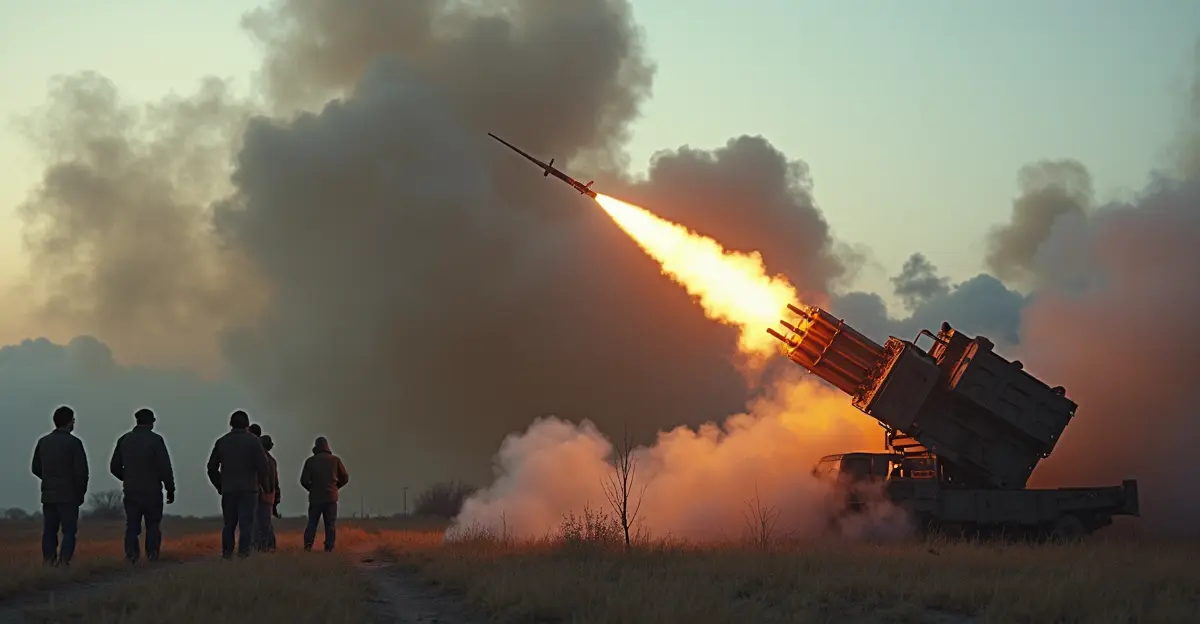
The Pantsir-S1 systems, known by NATO designation SA-22 Greyhound, combine 30mm anti-aircraft guns with 12 ready-to-fire missiles capable of engaging aircraft, helicopters, drones, and precision-guided munitions at ranges up to 20 kilometers. The S-400 missile system extends this coverage dramatically, capable of intercepting targets at altitudes up to 30 kilometers and distances of 400 kilometers.
Comparative Security Analysis
To understand the scale of this fortification, consider these comparisons:
| Location | Air Defense Systems | Population Protected |
|---|---|---|
| Putin's Valdai Residence | 27 systems | Approximately 50-100 residents/staff |
| Moscow Metropolitan Region | ~60 systems | Over 20 million people |
| Typical Military Base | 2-6 systems | 1,000-5,000 personnel |
'The density of air defense around Putin's residence is unprecedented for a non-military facility,' says security analyst Maria Ivanova. 'This represents a defensive posture typically reserved for strategic military installations or national capitals.'
Broader Regional Security Implications
Lithuania Warning: 90-Day Occupation Scenario
Parallel to Putin's personal security buildup, the Baltic Defense Initiative think tank has issued a chilling warning about regional security. Their December 2025 report outlines a hypothetical scenario where Russia could force Lithuania's capitulation within 90 days without crossing its borders. The study envisions December 2027 conditions where France withdraws its nuclear umbrella from NATO allies and the U.S. is drained by conflict with Iran.
In this scenario, Russia would launch hypersonic missile strikes followed by over 170,000 Shahed drones over 60 days, systematically destroying Vilnius' critical infrastructure including bridges, power plants, hospitals, and water treatment facilities. The study highlights Lithuania's constitutional vulnerability—the absence of a clear line of succession if both the president and parliamentary speaker are incapacitated.
Ukrainian Defense Industry Challenges
Meanwhile, Ukraine's leading drone and missile manufacturer Fire Point has abandoned plans to establish production in the Netherlands due to excessive bureaucracy. Director Denis Shtilerman told Nieuwsuur that while Ukraine can set up new production lines in just two days, Dutch permit procedures take up to 18 months. 'Working with Dutch bureaucracy is like running with a lead backpack,' Shtilerman stated, highlighting the contrast between Ukraine's wartime production agility and European regulatory processes.
Fire Point produces approximately 200 drones and three Flamingo cruise missiles daily in Ukraine, demonstrating the rapid innovation occurring in Ukrainian defense technology despite ongoing conflict. The company has instead chosen Denmark for European expansion, where authorities have simplified procedures for defense production.
Strategic Implications and Future Outlook
The fortification of Putin's Valdai residence reflects several strategic realities:
- Heightened Security Concerns: The extensive air defense network suggests genuine concerns about aerial threats to Russian leadership
- Resource Allocation: Significant military resources diverted to personal protection amid broader defense needs
- Symbolic Messaging: Demonstrates Putin's isolation and fortress mentality to both domestic and international audiences
- Regional Instability: Combined with warnings about Baltic security, indicates ongoing tensions in Eastern Europe
Security experts note that while personal protection for heads of state is standard, the scale and sophistication of the Valdai defenses are extraordinary. The systems deployed represent some of Russia's most advanced military technology, with the Pantsir-S1M variant capable of engaging stealth aircraft and hypersonic missiles.
Frequently Asked Questions
How many air defense systems protect Putin's Valdai residence?
Satellite imagery confirms at least 27 air defense systems, including 26 Pantsir-S1 missile systems and one S-400 long-range system.
When did the security buildup begin?
The first system appeared in January 2023, with rapid expansion occurring throughout 2025 and completion in early 2026.
What are Pantsir-S1 systems capable of?
Pantsir-S1 systems combine 30mm anti-aircraft guns with 12 missiles, capable of engaging aircraft, helicopters, drones, and precision munitions at ranges up to 20 kilometers.
Could Russia really occupy Lithuania in 90 days?
The Baltic Defense Initiative's scenario is hypothetical but based on verified weapon capabilities and political trends, highlighting vulnerabilities in Baltic defense.
Why did Ukraine's Fire Point abandon Netherlands production?
Excessive bureaucracy and 18-month permit processes made Dutch expansion impractical compared to Ukraine's two-day production line setup capability.




Follow Discussion