


 Deutsch
 English
 Español
 Français
 Nederlands
 Português


 Share
Share




What is Putin's Valdai Residence?
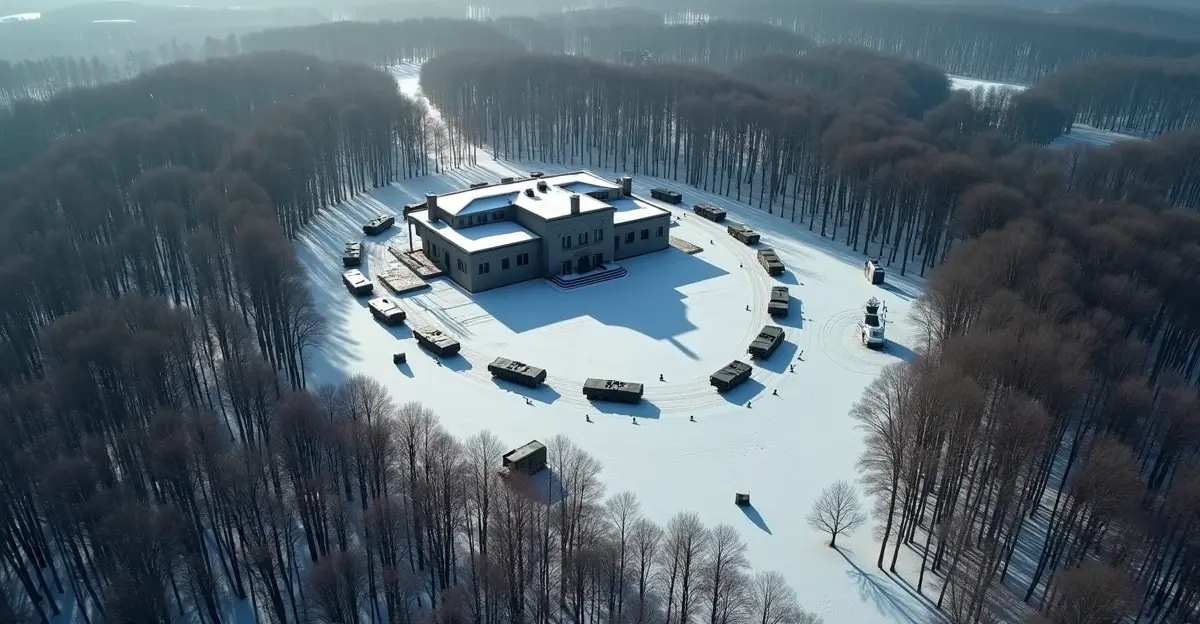
Russian President Vladimir Putin's secluded Valdai residence in the Novgorod region has been transformed into one of the world's most heavily fortified personal compounds, now protected by 27 air defense systems according to a RadioFreeEurope/RadioLiberty investigation. This extensive security upgrade represents a dramatic escalation in personal protection measures for the Russian leader amid ongoing geopolitical tensions and concerns about aerial threats. The Russian military buildup around Putin's personal spaces reflects broader security anxieties in Moscow's leadership circles.
Breaking Down the 27 Air Defense Systems
Satellite imagery analysis by RFE/RL journalist Mark Krutov reveals the comprehensive defensive network encircling Putin's Valdai estate. The system consists of 26 Pantsir-S1 surface-to-air missile and anti-aircraft artillery towers, plus one long-range S-400 missile system positioned strategically within the compound. This represents a significant increase from just two systems detected in early 2023.
Pantsir-S1: Russia's Mobile Air Defense Workhorse
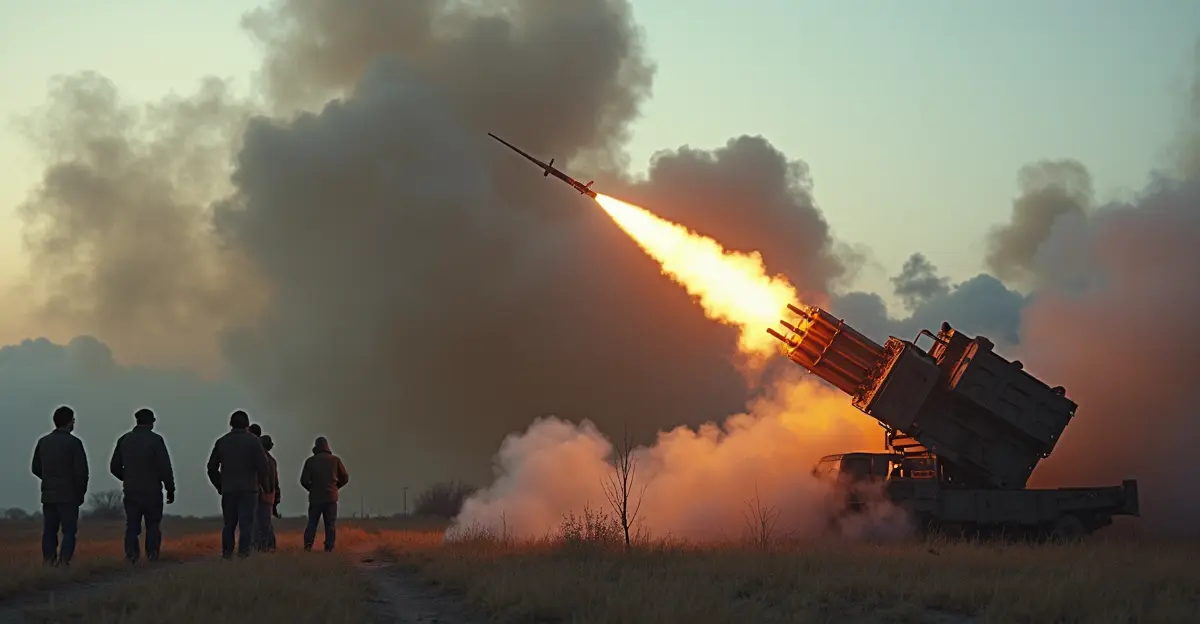
The Pantsir-S1 (NATO designation SA-22 Greyhound) forms the backbone of Putin's personal air defense. Each system features:
- 12 surface-to-air missiles with 20 km range
- Two 30mm automatic guns with 4 km range
- Capability to engage up to 10 targets per minute
- Advanced radar and electro-optic guidance systems
- Full mobility on specially constructed towers
Developed by KBP Instrument Design Bureau, the Pantsir-S1 entered Russian service in 2012 and has seen combat in Syria and Ukraine. Each unit costs approximately £16 million ($20 million).
S-400: The Long-Range Guardian
The single S-400 Triumf system (NATO designation SA-21 Growler) provides extended coverage with capabilities including:
- Missile ranges from 40km to 400km
- Ability to engage up to 80 targets simultaneously
- Advanced phased-array radar with 360-degree tracking
- Interception of aircraft, cruise missiles, and ballistic missiles
The S-400 represents Russia's most advanced air defense technology and creates a layered defense zone around the Valdai residence.
Timeline of Security Escalation
The defensive buildup around Putin's Valdai compound has accelerated dramatically since 2023:
- January 2023: First Pantsir-S1 system detected
- July 2024: Second tower constructed
- August 2025: Twelve systems operational
- December 2025: Twenty systems in place
- March 2026: Construction begins on eight additional towers
- Current: Total of 27 air defense systems deployed
This rapid expansion coincides with increasing Ukrainian drone capabilities and alleged attack attempts on Russian leadership facilities.
Two-Ring Defense Strategy
According to RFE/RL analysis, the air defense network operates on a two-ring principle similar to Moscow's defensive system:
- Inner Ring: Closely spaced Pantsir-S1 systems providing point defense
- Outer Ring: Extended coverage with overlapping engagement zones
The S-400 system provides strategic long-range coverage, creating what military analysts describe as an 'impenetrable air defense bubble' around the compound. This defensive architecture mirrors the Kremlin security protocols but on a more concentrated scale.
Context: Alleged Drone Attacks and Security Concerns
The security escalation follows Russian claims in December 2025 that Ukraine attempted to attack the Valdai residence with 91 drones. Russian Major General Alexander Romanenkov stated that 50 drones were intercepted over Bryansk and Smolensk regions, with another 41 shot down near Novgorod. However, U.S. intelligence agencies and European analysts have questioned these claims, with the CIA concluding there's 'no credible evidence' of such an attack.
Ukrainian President Volodymyr Zelensky dismissed the allegations as 'complete fabrication,' while the European Union's foreign policy chief described them as a 'deliberate distraction' from peace negotiations. Despite the disputed claims, the security buildup continues unabated.
Significance and Implications
The transformation of Putin's Valdai residence into a military fortress carries several important implications:
1. Disproportionate Security Allocation
The entire Moscow metropolitan area, with over 20 million residents, reportedly had only about 60 Pantsir systems in 2025. Putin's personal compound now contains nearly half that number for a single location, raising questions about resource allocation priorities within Russia's defense budget.
2. Personal Security vs. National Defense
The concentration of advanced air defense systems around a personal residence suggests heightened concerns about leadership vulnerability. As military analyst Dmitry Gorenburg noted, 'This level of personal protection is unprecedented for a world leader and indicates serious anxiety about aerial threats to the Russian presidency.'
3. Geopolitical Messaging
The visible fortification sends a clear message about Putin's perceived vulnerability and Russia's defensive posture. It also reflects the evolving nature of modern warfare, where drone technology has made previously secure locations potentially vulnerable.
Frequently Asked Questions
How many air defense systems protect Putin's Valdai residence?
According to RFE/RL investigation, there are 27 air defense systems: 26 Pantsir-S1 towers and one S-400 missile system.
What is the Pantsir-S1 system capable of?
The Pantsir-S1 can engage aircraft, helicopters, drones, and cruise missiles at ranges up to 20 km with missiles and 4 km with its 30mm guns, engaging up to 10 targets per minute.
Did Ukraine really attack Putin's residence in December 2025?
Russian authorities claim Ukraine launched 91 drones at the Valdai residence, but U.S. intelligence and European analysts dispute this, with no independent verification of the alleged attack.
How much does this air defense network cost?
With each Pantsir-S1 costing approximately $20 million and the S-400 system valued at over $100 million, the total defensive network represents an investment of at least $620 million.
Why is the Valdai residence so important?
The Valdai compound is believed to house Putin's partner Alina Kabaeva and their children, and features a replica of Putin's Kremlin office, making it both a personal retreat and functional presidential workspace.



Follow Discussion