


 Deutsch
 English
 Español
 Français
 Nederlands
 Português


 Share
Share




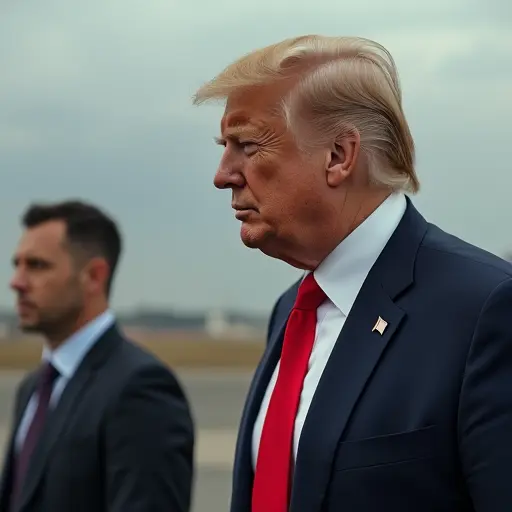
Ukrainian President Volodymyr Zelensky has sent an urgent letter to U.S. President Donald Trump warning of a critical shortage of air defense systems, particularly Patriot PAC-3 interceptors, as Russia intensifies its aerial bombardment. The letter, obtained by multiple news outlets, underscores that Ukraine's ballistic missile defense is almost exclusively dependent on the United States and that current delivery rates through NATO's Prioritized Ukraine Requirements List (PURL) program are failing to keep pace with the escalating threat from Russian ballistic missiles.
Background: A Nation Under Siege
The appeal comes just days after Russia launched a massive overnight assault on Ukraine on May 24, 2025, firing 90 missiles and 600 drones in a single coordinated attack that killed at least four people in Kyiv and injured dozens more. The bombardment targeted critical infrastructure, cultural sites, and residential areas, including the Chornobyl Museum and the National Art Museum. The scale of the attack — the largest in months — has placed immense strain on Ukraine's already depleted air defense network.
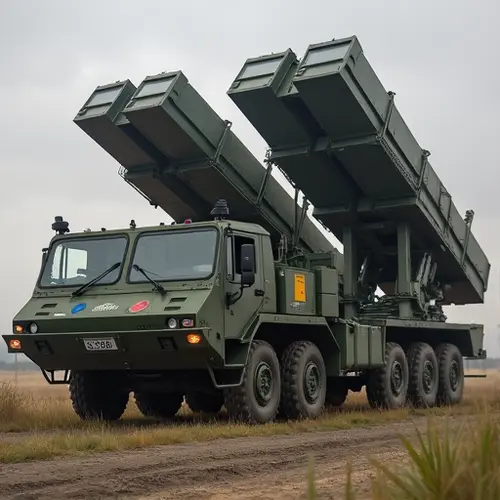
Since the start of the full-scale invasion in 2022, Ukraine has relied heavily on Western-supplied systems like the MIM-104 Patriot, NASAMS, and IRIS-T to defend its skies. However, sustained combat operations and relentless Russian strikes have drained interceptor stockpiles. According to Ukrainian officials, the country currently operates only eight Patriot systems, with two out of service, and ideally needs at least two per major city. The global production of Patriot interceptors — roughly 500 per year by Lockheed Martin — is insufficient to meet demand, especially as conflicts in the Middle East and elsewhere compete for the same limited supply.
What Zelensky's Letter Says
In his letter to Trump, Zelensky warns that "the Ukrainian air defense system is almost completely dependent on the United States" and that without immediate resupply, Ukraine's ability to protect its cities and critical infrastructure will collapse. He specifically requests munitions for the Patriot systems already deployed in Ukraine, including PAC-3 interceptors capable of countering ballistic missiles.
Zelensky acknowledged competing global demands for the same systems, writing: "I understand that there is currently great demand for Patriot systems in other regions, particularly due to the situation in the Middle East and other growing security risks." However, he stressed that Ukraine is "fighting to survive" and that the weapons are needed urgently. The letter also expresses concern that deliveries via the PURL program — a mechanism where NATO allies finance the purchase of U.S.-manufactured arms for Ukraine — are "no longer keeping pace with the growing threat from Russia."
The letter was delivered to the White House and Congress by Ukraine's ambassador to the U.S., Olha Stefanishyna, who has been lobbying for continued American support. Zelensky also thanked Trump for his past efforts to ensure the safety of Ukrainian civilians, stating that without the United States, the world would be "a dark place."
The Ballistic Missile Threat
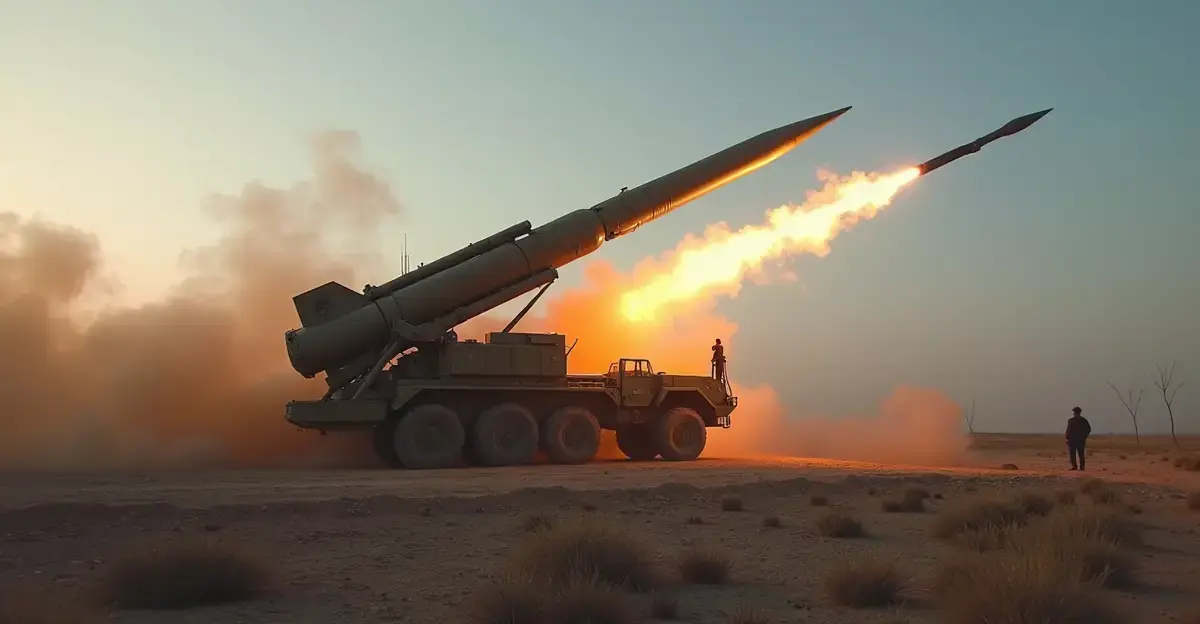
Russia has increasingly relied on ballistic missiles — particularly the Iskander-M and the Kh-47M2 Kinzhal — as a key advantage on the battlefield. These missiles are difficult to intercept due to their high speed, steep terminal trajectories, and ability to perform evasive maneuvers. According to Ukrainian air force data, interception rates for ballistic missiles have dropped from 37% in August 2024 to as low as 6% by October 2025, primarily due to interceptor shortages.
Zelensky warned that as long as President Vladimir Putin maintains a numerical advantage in missiles, "there will be no room for diplomatic negotiations." He argued that Russia's ballistic missile stockpile gives Moscow a decisive edge, making fair negotiations impossible. "As long as Putin has a lead in his weapons stockpile, there will be no space for diplomatic negotiations," the letter states. The Russia Ukraine war latest developments continue to show that air defense parity is essential for any potential ceasefire talks.
The PURL Program Under Strain
The Prioritized Ukraine Requirements List (PURL) initiative, launched by the U.S. and NATO in 2024, allows allied nations to fund the procurement of American-made weapons based on Ukraine's most urgent needs. To date, NATO allies and partners have pledged over $4 billion through PURL, with commitments reaching $1 billion per month by late 2025. Contributors include the Netherlands (€500 million for Patriot systems), Germany ($500 million), Canada ($500 million), and a joint Nordic package worth $495 million.
However, Zelensky's letter highlights a critical bottleneck: the pace of deliveries is not matching the intensity of Russian attacks. While funding is available, production capacity for advanced interceptors like the PAC-3 is limited, and competing demands from other theaters — particularly Israel's Iron Dome and U.S. commitments in the Indo-Pacific — have strained supply chains. The US military aid to Ukraine 2025 packages have faced delays due to congressional debates and global redistribution of defense assets.
International Reactions
The letter has drawn widespread attention from Western capitals. NATO Secretary General Mark Rutte welcomed allied contributions but acknowledged the urgency of the situation. EU foreign policy chief Kaja Kallas condemned Russia's recent attacks as "abhorrent acts of terror" and called for increased international pressure on Moscow. Meanwhile, Russian Foreign Minister Sergey Lavrov informed U.S. Secretary of State Marco Rubio of planned strikes on Ukrainian "decision-making centers," signaling further escalation.
In Kyiv, the mood is grim but resolute. Ukrainian air defense expert Anatolii Khrapchynskyi warned that "without missiles, Patriot systems are just blinking lights." The European Union defense spending 2025 initiatives have been discussed as a way to supplement U.S. aid, but production timelines remain a challenge.
What's at Stake
Ukraine's air defense crisis comes at a pivotal moment in the war. Russia has shifted to a strategy of attrition, using mass drone and missile barrages to overwhelm Ukrainian defenses and deplete interceptor stocks. If the shortfall continues, experts warn that Ukraine could lose the ability to protect major cities like Kyiv, Lviv, and Dnipro, as well as critical energy infrastructure heading into winter. The ripple effects could be catastrophic, potentially forcing Ukraine into a disadvantageous peace or causing a humanitarian crisis.
Zelensky's letter to Trump is a stark reminder that Ukraine's survival hinges on continued U.S. support. As the war enters its fourth year, the question remains whether Washington and its allies can ramp up production fast enough to match Russia's relentless assault.
Frequently Asked Questions
What did Zelensky ask Trump for in the letter?
Zelensky requested urgent deliveries of Patriot PAC-3 interceptor missiles and additional air defense systems to counter Russian ballistic missile attacks. He warned that Ukraine's air defense is almost entirely dependent on U.S. supplies.
What is the PURL program?
The Prioritized Ukraine Requirements List (PURL) is a NATO-U.S. initiative that allows allied nations to finance the purchase of American-made weapons for Ukraine based on a prioritized list of military needs. It has generated over $4 billion in commitments.
How many Patriot systems does Ukraine have?
Ukraine operates approximately eight Patriot systems, with two currently out of service. Experts estimate Ukraine needs at least 10-12 additional systems for minimal nationwide coverage.
Why is Ukraine's air defense failing?
The primary issue is a critical shortage of interceptor missiles. Global production of Patriot interceptors is only about 500 per year, insufficient to meet Ukraine's needs, especially as Russia launches mass attacks with 90 missiles and 600 drones in a single night.
Can Ukraine negotiate peace without air defense parity?
Zelensky argues that as long as Russia maintains a ballistic missile advantage, fair diplomatic negotiations are impossible. Air defense parity is seen as a prerequisite for any credible ceasefire or peace deal.


Follow Discussion