


 Deutsch
 English
 Español
 Français
 Nederlands
 Português


 Share
Share




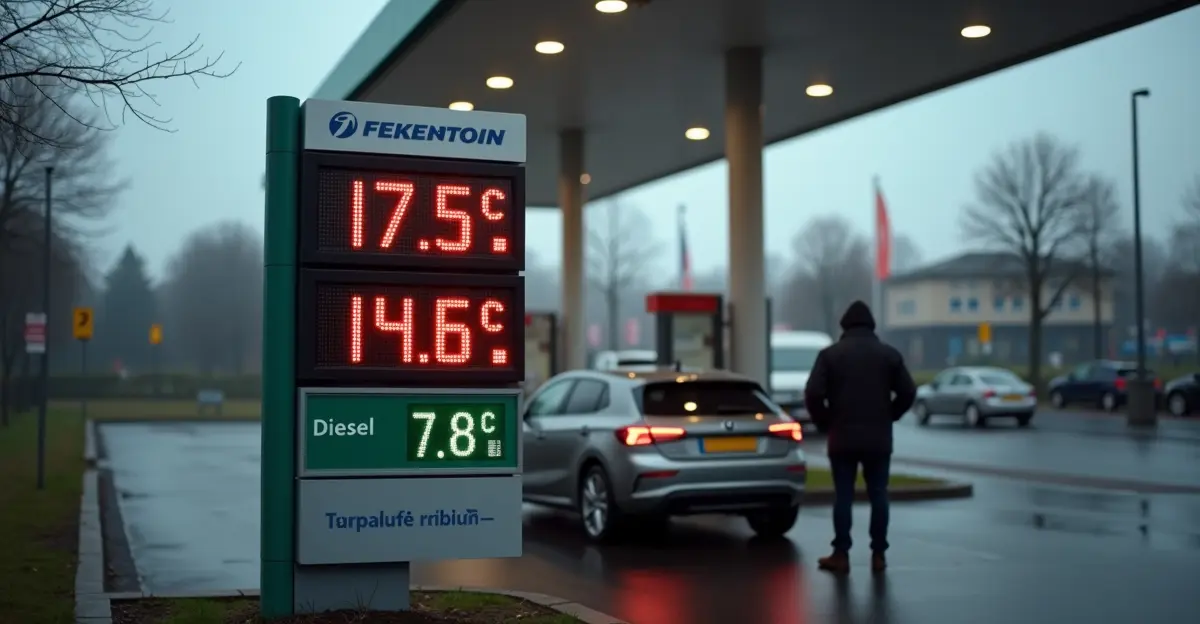
German drivers are enjoying a rare moment of relief at the pump as fuel prices have dipped below €2 per litre for the first time in months, thanks to a temporary tax cut introduced by the federal government on 1 May 2026. The so-called 'Tankrabatt' — a temporary reduction in energy tax on petrol and diesel — has lowered prices by approximately 17 cents per litre, bringing the average price of Super E10 petrol to €1.989 and diesel to €2.063, according to data from the ADAC automobile club.
What Is the German Fuel Tax Cut?
The German fuel tax cut is a temporary reduction in the energy tax on petrol and diesel, approved by the Bundestag on 24 April 2026 and effective from 1 May to 30 June 2026. The tax is reduced by 14.04 cents per litre, which, combined with the VAT exemption on the reduced tax, amounts to a total relief of about 16.7 to 17 cents per litre at the pump. The measure is expected to cost the state around €1.6 billion and is intended to cushion the impact of soaring energy prices driven by geopolitical tensions, particularly the war in Iran and the blockade of the Strait of Hormuz.
How Much Cheaper Is Fuel in Germany Now?
According to ADAC, the average price of Super E10 petrol on 1 May fell by 13.7 cents to €1.989 per litre, while diesel dropped by 13.6 cents to €2.063. Although the full 17-cent reduction has not yet been passed on everywhere — partly because stations still have old, higher-taxed stock — prices are expected to fall further in the coming days. The price difference with neighbouring Netherlands has widened to around 30 cents per litre, making a full tank up to €10 cheaper across the border.
For Dutch motorists living near the German border, the incentive to fill up in Germany has become significant. The cross-border fuel tourism trend is expected to intensify, as it did when Belgian fuel became cheaper. Dutch border petrol station owner Gerrit Heinen told NOS he already notices fewer customers and expects 'two quieter months.'
Why Is Germany Cutting Fuel Taxes?
The German government introduced the temporary tax cut to provide immediate relief to consumers and businesses facing high energy costs. The war in Iran and the subsequent blockade of the Strait of Hormuz have disrupted global oil supplies, driving up crude oil prices and, consequently, pump prices across Europe. The EU energy price crisis response has varied by member state, with Germany opting for a broad-based tax cut while the Netherlands chose targeted support for low-income households and commuters.
However, economists have criticised the German approach. The DIW economic institute warned that the tax cut may not be fully passed on to consumers and that it disproportionately benefits higher-income households who drive more. Charlotte Waaijers, NOS correspondent in Germany, noted: 'The pressure on the German government to do something about rising pump prices was great, but economists in Germany are not very enthusiastic about the choice of a fuel discount. It actually reduces the need to save energy, which also does not help the climate.'
When Is the Best Time to Tank in Germany?
Under a new pricing regulation, fuel stations in Germany are allowed to increase prices only once per day, around 12:00 noon. After that, prices gradually decrease throughout the afternoon and evening, meaning the cheapest time to fill up is typically in the morning, just before noon. The ADAC advises drivers to use fuel price comparison apps to find the best local deals.
Impact on Dutch Motorists and Border Stations
The Netherlands has not followed Germany's lead in cutting fuel taxes. Instead, the Dutch cabinet approved a €1 billion support package focusing on higher commuting allowances, cheaper train tickets, and energy subsidies for the poorest households. As a result, Dutch fuel prices remain among the highest in Europe, with petrol often exceeding €2.50 per litre.
Research by ABN Amro's Jeannine van Reeken-van Wee indicates that about 15% of petrol consumption in the southern border region has shifted to Belgium when price differences were large, and a similar shift is now expected towards Germany. The Dutch fuel price comparison with neighbours shows a growing gap that is driving more motorists to cross the border.
Will the Full Tax Cut Reach Consumers?
ADAC has criticised fuel retailers for not passing on the full tax cut immediately. While the government and industry associations promised the reduction would be fully reflected, initial data shows that the average price drop was 13.7 cents for petrol and 13.6 cents for diesel — short of the expected 17 cents. The ADAC expects further declines as old stock is cleared and competition forces prices down.
FAQ
How long will the German fuel tax cut last?
The temporary tax reduction is valid from 1 May to 30 June 2026, after which the standard energy tax rates will apply again.
How much does the tax cut save per litre?
The energy tax is reduced by 14.04 cents per litre. Including VAT effects, the total saving at the pump is approximately 16.7 to 17 cents per litre.
Why is fuel still expensive in the Netherlands?
The Dutch government chose not to cut excise duties on fuel, opting instead for targeted support measures such as higher commuting allowances and energy subsidies for low-income households, arguing a broad tax cut would be too costly and provide only temporary relief.
Will the German tax cut affect climate goals?
Critics argue the measure reduces the incentive to save energy and may temporarily increase fossil fuel consumption. The government maintains that the short duration of the tax cut limits its environmental impact.
Is it worth driving to Germany to fill up?
With a price difference of around 30 cents per litre, a full 50-litre tank can save a driver up to €15. For those living near the border, the trip can be worthwhile, especially when combined with other errands.

Follow Discussion